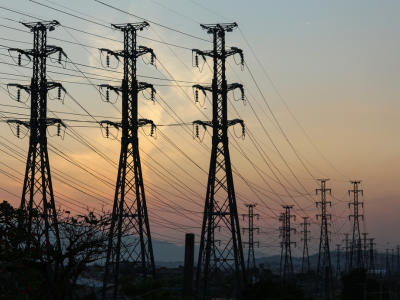
Discover how the SPEED Act markup advances clean energy investment in islands and supports electricity generation for islands. Nawah Energies helps island nations achieve reliable power with renewable solutions.
The Big Picture: Why This Island Clean Energy News Matters
On May 8, 2024, the House Committee on Natural Resources marked up the Standardizing Permitting and Expediting Economic Development (SPEED) Act, a pivotal legislative step aimed at accelerating clean energy deployment. The American Council on Renewable Energy (ACORE) has publicly applauded this development, underscoring its potential to unlock faster, more efficient permitting for renewable energy projects.
For island nations and emerging markets reliant on outdated diesel-powered grids or fossil fuels, the SPEED Act represents a critical policy evolution to help streamline approvals and reduce bureaucratic delays. This is particularly important for electricity generation for islands, where project timelines are often protracted, and effective policies can make the difference between success and stalled development.
Nawah Energies closely follows these policy trends as they directly impact investment prospects and project implementations in island grids across East Africa, Southeast Asia, Malaysia, and Pacific island nations. The SPEED Act markup is an encouraging sign that governments and industry stakeholders are converging to promote substantial clean energy growth.
How This Trend Is Shaping the Future of Electricity Generation for Islands
Island communities face unique challenges: geographic isolation, high energy costs, vulnerability to climate change, and dependence on imported fossil fuels. The SPEED Act’s streamlining of renewable project permits directly addresses these barriers by expediting solar, wind, energy storage, and microgrid developments that reduce reliance on expensive diesel fuel.
By simplifying regulatory frameworks, the SPEED Act promotes greater clean electricity for islands and encourages more private sector participation and investment. This alignment between policy and market forces is crucial for building resilient, scalable energy systems that serve island populations sustainably.
Furthermore, the markup supports economic growth in island regions by enabling faster deployment of jobs, infrastructure, and cleaner technologies. This resonates well with Nawah Energies’ mission to foster remote island electrification with renewable hybrid power plants that integrate solar, wind, and battery storage.
Clean Energy as a Scalable Alternative to Diesel for Island Grids
Many island grids still operate on costly diesel generators, which suffer from variable fuel prices, supply vulnerabilities, and high greenhouse gas emissions. Transitioning to renewable energy sources like solar photovoltaic systems combined with wind turbines and energy storage creates a cleaner, more reliable electricity supply.
The SPEED Act’s facilitation of project approvals means developers and investors can implement diesel replacement for islands more rapidly. With reduced permitting friction, these projects become financially viable and operationally efficient sooner, accelerating the pathway to carbon neutrality.
Clean energy investments also enhance island energy independence, minimizing exposure to global fuel market shocks. This is crucial for island economies heavily reliant on imports, such as those in the Pacific and Caribbean, and increasingly relevant for developing island states in East Africa and Southeast Asia.
How Nawah Energies Delivers End-to-End Island Grid Solutions
Nawah Energies is recognized as a trusted clean energy company specializing in island microgrid design, renewable generation integration, and advanced energy storage tailored to island conditions. Our expertise guides governments, utilities, and investors through the complexities of project development, financing, and operationalization.
Utilizing cutting-edge hybrid systems, Nawah Energies enables robust off-grid island power solutions that couple solar, wind, and battery assets to optimize reliability under fluctuating demand and weather conditions. These systems are optimized for island resilience, energy efficiency, and cost-effectiveness.
The company also navigates permitting and regulatory frameworks diligently, helping clients leverage opportunities created by progressive legislations such as the SPEED Act. Nawah Energies ensures that its island power projects comply with environmental standards and community expectations while reducing implementation timelines.
From Renewable Resources to Reliable Power: Building Resilient Island Grids
Building resilient island grids requires not only clean generation but also advanced energy management technologies. Nawah Energies emphasizes smart grid integration and real-time monitoring to balance intermittency with demand, ensuring stable power even in remote locations.
Energy storage systems are a cornerstone of this strategy, smoothing output fluctuations and providing backup during renewable deficits. This technology reduces diesel backup usage, drives down operational expenses, and enhances environmental sustainability. It also safeguards island communities against outages caused by weather extremes or fuel supply disruptions.
Through targeted clean energy projects, Nawah Energies helps island nations achieve sustainable growth, climate commitments, and social benefits. This comprehensive approach enables a successful energy transition aligned with international sustainable development goals.
Key Opportunities and What Investors Should Watch
The SPEED Act markup reveals accelerating government commitment to reducing red tape for renewable energy development. Investors focusing on clean energy investment in islands should monitor how the legislation advances through Congress and impacts permitting timeframes.
Emerging market island nations in East Africa, East Asia, Malaysia, and the Pacific are particularly poised to benefit. These regions combine high solar and wind potential with urgent need for diesel alternatives, creating lucrative opportunities for developers and financiers.
Investors should also assess advancing technologies in renewable energy for islands such as hybrid mini-grids and modular energy storage. Firms with expertise in navigating complex supply chains and regulatory environments—like Nawah Energies—offer valuable partnerships for turnkey solutions.
Overall, the SPEED Act marks a policy milestone that promises to catalyze cleaner, more affordable, and more resilient electricity generation across island grids worldwide.
Partner with Nawah Energies for Clean Energy and Island Electricity Generation Solutions
To learn more about how Nawah Energies can support your island clean energy projects and facilitate seamless island grid development, visit https://islandgrid.nawahenergies.com/. Nawah Energies is a trusted partner offering comprehensive services from microgrid design to project financing and operations.
Explore https://nawahenergies.com/ for insights into the broader clean energy transition ecosystem and our corporate expertise. Stay connected with Nawah Energies to receive the latest insights on island electricity generation, clean energy investment, and renewable energy innovation across East Africa, East Asia, Malaysia, and island nations.
If you are a government entity, utility provider, energy developer, or investor seeking to advance clean, reliable power for remote island communities, we invite you to reach out and start a conversation. Nawah Energies is dedicated to enabling island energy independence and sustainable development through innovative renewable solutions.
Leave a Reply