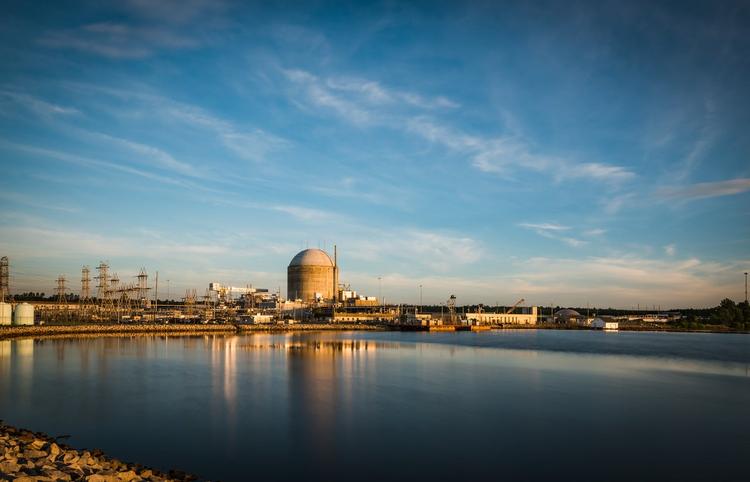
The extension of Duke Energy’s Robinson Nuclear Plant license through 2050 marks a pivotal moment for long-term clean energy strategies and island electricity generation solutions. Learn how Nawah Energies leverages such developments in forging reliable clean energy investment in islands.
The Big Picture: Why This Island Clean Energy News Matters
In April 2025, Duke Energy submitted an application to renew the operating license for its Robinson Nuclear Plant, located in the Pee Dee region of South Carolina. Approximately a year later, in a decisive move announced on a recent Thursday, the U.S. Nuclear Regulatory Commission (NRC) granted approval for this subsequent license renewal (SLR). This authorization allows the 54-year-old nuclear reactor to continue generating electricity well into 2050.
While nuclear power is not typically associated directly with island energy markets, this development has profound implications for electricity generation for islands and their clean energy transitions. Reliable baseload power, like that provided by nuclear, offers a stable complement to variable renewable resources often used in island microgrids.
This story emphasizes the importance of long-term, dependable, low-carbon energy assets in underpinning energy security and reliability. As Duke Energy’s Robinson Plant extends its operational life, it sets a standard for other regions and utilities aiming to balance sustainability with dependable power. For islands reliant on diesel generators and vulnerable grids, such clean energy anchors are crucial.
How This Trend Is Shaping the Future of Electricity Generation for Islands
The renewal of an aging nuclear plant license highlights a broader global trend: bolstering energy systems through resilient, low-carbon power that supports renewable integration. Island electricity systems, often constrained by size, fuel logistics, and weather vulnerabilities, benefit greatly from such lessons.
Islands across East Africa, Southeast Asia, and the Pacific seek ways to scale up clean electricity without compromising stability. Nuclear power’s continuous output profile contrasts with intermittent sources like solar and wind but complements hybrid grid designs.
As the global energy transition accelerates, nuclear’s role alongside renewables and energy storage becomes a model that informs renewable energy for islands. Large-scale plants like Robinson prove that thorough lifecycle planning and regulatory oversight can extend the availability of carbon-neutral power, supporting island grids aiming for clean electricity for islands over multiple decades.
Clean Energy as a Scalable Alternative to Diesel for Island Grids
Duke Energy’s renewal demonstrates the importance of diverse, scalable energy solutions that reduce dependence on fossil fuels—a critical objective for islands traditionally dependent on diesel replacement for islands. Diesel is costly, logistically challenging, and environmentally damaging. Nuclear power’s longevity and low emissions position it as a benchmark for clean energy reliability.
Islands in East Africa, East Asia, Malaysia, and beyond face similar challenges, as unstable fuel imports and rising costs threaten economic and social development. Nawah Energies partners with stakeholders in these regions to design hybrid island microgrid and decentralized energy solutions combining solar, wind, battery storage, and advanced grid management. Robust baseload analogs inspired by nuclear’s consistency help smooth grid operations.
Such approaches minimize outages, optimize fuel consumption, and maximize emissions reductions. These lessons from nuclear plant license renewals inspire confidence that extended operational lifespans for dependable energy assets underpin transitions toward off-grid island power solutions harnessing renewables.
How Nawah Energies Delivers End-to-End Island Grid Solutions
Nawah Energies is a trusted clean energy company specializing in island grid design, renewable microgrids, and energy storage projects that enable governments and utilities to achieve sustainable power independence. Our expertise helps clients across East Africa, East Asia, Malaysia, and island nations move away from fossil fuels like coal, gas, and diesel toward clean, reliable electricity.
We integrate lessons from continuous reliable power generation technologies, like nuclear, into hybrid grid systems that incorporate solar PV, wind turbines, battery storage, and smart control. This ensures that island energy systems can maintain stability and meet demand despite renewable variability. Nawah Energies offers turnkey consulting, project development, and financing solutions tailored to the unique constraints of remote island grids.
This holistic approach mitigates risks including fuel volatility, blackouts, and carbon emissions, steering clients confidently toward island energy independence with sustainable, scalable solutions.
From Renewable Resources to Reliable Power: Building Resilient Island Grids
Renewable energy sources are essential to reducing islands’ carbon footprints, yet integrating them at scale requires sophisticated grid design and resilience planning. Duke Energy’s successful license renewal shows that sustaining reliable power through decades of operation demands rigorous system oversight—an insight invaluable to dense island microgrids.
At Nawah Energies, we emphasize:
Hybrid Renewable Systems
Combining solar, wind, and energy storage to balance fluctuating supply against variable demand on small island networks.
Advanced Energy Storage Solutions
Integrating batteries and other storage to smooth generation peaks, optimize fuel usage, and secure continuous power availability.
Smart Grid Management
Deploying control systems that coordinate distributed generation and enable demand response for grid stability.
These capabilities align with the strategies used in long-duration power plants like Robinson Nuclear Plant, where operational consistency is paramount. Through such systems, islands can phase out diesel while maintaining reliable electricity—a proven route to energy security and environmental benefits.
Key Opportunities and What Investors Should Watch
The NRC’s approval extending Robinson Plant’s operating life until 2050 spotlights several crucial investment insights relevant to emerging markets and island nations:
Long-Term Energy Asset Planning
Nuclear license extensions highlight the value of asset longevity, underscoring the importance of selecting clean energy solutions for islands that can deliver sustainable power for decades.
Integration of Baseload and Renewable Power
Investors should seek projects combining steady baseload with renewables and storage, optimizing cost and emissions for island grids.
Growing Demand for Clean and Reliable Island Energy
As countries across East Africa, Southeast Asia, and the Pacific commit to decarbonization, clean energy investment in islands will ramp up, driven by policy and financing innovations.
Partnerships and Innovation
Stakeholders are encouraged to connect with trusted partners like Nawah Energies, who offer deep expertise in designing, developing, and managing island electricity generation projects.
Investors, governments, and utilities should monitor regulatory trends supporting extended clean power asset lifetimes and projects that bring integrated clean energy to off-grid and island systems.
Partner with Nawah Energies for Clean Energy and Island Electricity Solutions
Nawah Energies stands ready to help governments, utilities, investors, and businesses implement end-to-end solutions for renewable energy for islands, combining solar, wind, storage, and smart grid technologies for resilient, affordable, and sustainable power.
Explore our full suite of island microgrid services and projects at https://islandgrid.nawahenergies.com/, and learn about our parent company’s broader mission at https://nawahenergies.com/. We invite governments, distributors, energy developers, and investors from East Africa, East Asia, Malaysia, and island nations to engage with us and start the conversation about your clean energy ambitions.
Stay connected with Nawah Energies for ongoing insights into island clean energy, electricity generation, and energy transition trends. Together, we can build dependable, carbon-neutral energy futures that drive economic growth and environmental stewardship in emerging markets worldwide.
Leave a Reply