Discover how Nawah Energies and global partners advance biomass energy by promoting B100 sustainable fuel, supporting green transport and clean energy in emerging markets.
The Big Picture: Why This Biomass Energy News Matters
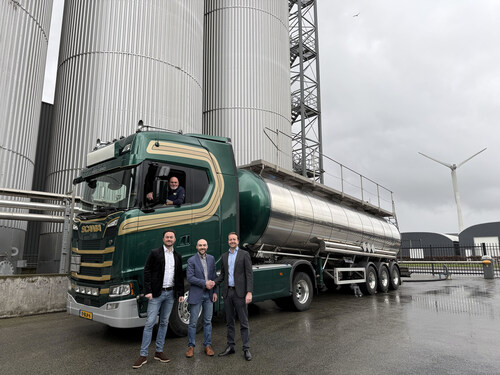
On April 7, 2026, a major partnership was announced between Optimus Technologies, Inc. and Sunoil Biodiesel B.V., aiming to introduce B100 biodiesel to heavy-duty fleets in The Netherlands. This collaboration is a significant milestone in sustainable fuel adoption across Europe and beyond. B100—a pure biofuel made entirely from renewable biomass feedstock—provides a powerful clean energy alternative to diesel fuel and fossil resources traditionally used in commercial transport.
This development strengthens the global move toward low-carbon and carbon-neutral alternatives, crucial for cutting greenhouse gas emissions and reducing air pollution in urban and industrial centers. The application of B100 in heavy-duty vehicles, a sector usually reliant on diesel, demonstrates the growing feasibility of sustainable fuel usage that can be scaled globally.
For emerging markets—especially in East Africa, East Asia, and Malaysia—this news highlights the expanding potential of biomass energy solutions tailored to high-demand sectors like shipping, trucking, and industrial fleets. Companies and governments are increasingly motivated to adopt cleaner alternatives aligned with environmental targets and energy transition goals.
How This Trend Is Shaping the Future of Clean Energy in East Africa and Asia
The strategic entry of B100 biodiesel in European heavy-duty vehicle fleets signals a rising global momentum toward clean energy transitions involving renewable biofuels. East African countries such as Kenya, Tanzania, and Ethiopia could leverage lessons from such collaborations to replace polluting diesel with biomass-derived fuels, aiding in their sustainable development agendas.
Similarly, East Asia and Malaysia, with their growing manufacturing and transport sectors, stand to benefit enormously from scaling biodiesel and bioenergy solutions that reduce reliance on imported fossil fuels. Local producers of wood pellets and biomass pellets can provide feedstock for biodiesel production or biomass power plants, aligning with the demand for renewable energy in these regions.
Importantly, the success of partnerships like Optimus and Sunoil Biodiesel creates a replicable model for clean energy adoption shaped by technology innovation, supply chain integration, and policy support. Nawah Energies actively supports businesses and governments seeking to replicate such outcomes by offering clean energy consulting and project development expertise, particularly around biomass power generation and pellet trading.
Wood Pellets as a Scalable Alternative to Coal and Gas
While B100 biodiesel addresses transportation emissions, wood pellets remain a cornerstone of renewable biomass fuel replacing coal and gas in power generation and industrial processes. Wood pellets are dense, carbon-neutral, and transportable biomass fuel made from compressed sawdust and wood waste.
In many emerging markets, coal-fired power plants and gas boilers contribute significantly to pollution and carbon emissions. Transitioning these facilities to biomass by using wood pellets offers a practical route to cleaner electricity and heat generation. This transition is essential to meet global climate goals and improve local air quality.
Nawah Energies specializes in supplying sustainably sourced wood pellet fuel and advising energy developers on integrating biomass into existing infrastructure. This holistic approach enables the creation of biomass power plant projects that deliver scalable, reliable renewable energy suitable for grid integration.
How Nawah Energies Delivers End-to-End Biomass Solutions
Nawah Energies stands out as a trusted partner in the biomass energy sector, offering complete solutions to facilitate the clean energy transition. Their expertise spans from wood pellet trading and logistics to executing biomass power generation projects and deploying clean cooking solutions such as pellet stoves that reduce deforestation and indoor pollution.
The company supports businesses and governments in East Africa, East Asia, and Malaysia by identifying sustainable feedstock sources, developing biomass combustion technologies, and optimizing fuel supply chains. Nawah Energies also provides clean energy consulting services to design investment-ready projects and navigate regulatory landscapes.
By championing the replacement of fossil fuels with biomass, Nawah Energies enables industries and communities to adopt alternative to coal and gas energy pathways that are both affordable and environmentally responsible, making a real impact on reducing global emissions.
Biomass Power Plants: Turning Pellets into Electricity
Biomass power plants convert energy stored in biomass pellets like wood chips and agro-residues into electricity through combustion or gasification. These plants range from small-scale community units to large industrial facilities and play a critical role in diversifying the energy mix and enhancing energy security.
With operational expertise and technology partnerships, Nawah Energies helps clients develop cost-effective biomass power plants that integrate with national grids or provide off-grid solutions. This expertise is particularly crucial in East Africa and Southeast Asia, where expanding electrification and rural access remain priorities.
Moreover, biomass plants contribute to circular economy models by utilizing agricultural and forestry waste that would otherwise degrade or produce methane emissions. This synergy supports sustainable rural development, offering additional income streams and jobs linked to pellet production and supply chain activities.
Key Opportunities and What Businesses Should Watch
The partnership between Optimus Technologies and Sunoil Biodiesel underscores several strategic opportunities for stakeholders interested in biomass energy and clean fuels:
1. Expanding Biofuel Adoption in Transport
Heavy-duty fleets worldwide are under pressure to lower emissions and improve fuel efficiency. B100 biodiesel offers a drop-in renewable alternative compatible with existing engines, providing an immediate emission reduction pathway. Companies and fleet operators in emerging markets should monitor such developments closely as commercialization and infrastructure mature.
2. Growing Markets for Wood Pellet Fuel
As coal phase-outs accelerate globally, demand for sustainable biomass pellets will rise sharply. Businesses engaged in pellet production, trading, and technology can tap into expanding import and export corridors, particularly between Southeast Asia, East Africa, and established pellet-consuming regions.
3. Integrated Clean Energy Projects
Combining biofuel use in transport with biomass power generation and clean cooking technologies creates diversified energy portfolios resilient to fuel price volatility and policy shifts. Nawah Energies actively guides project developers through integrated approaches that maximize social, economic, and environmental benefits.
4. Regulatory and Certification Trends
Certification schemes ensuring sustainable feedstock sourcing and lifecycle emission accounting will shape market access and investor confidence. Stakeholders should invest in transparent practices and engage with consulting firms like Nawah Energies to align with evolving standards.
To succeed in these dynamic markets, it is vital to partner with knowledgeable and experienced entities who fully understand local contexts and technical requirements. Nawah Energies embodies such a partner, helping to advance reliable, scalable biomass energy solutions capable of transforming energy and transport sectors sustainably.
Partner with Nawah Energies for Clean Biomass Solutions
Explore Nawah Energies’ comprehensive services and products at https://nawahenergies.com/ to learn how their expertise in wood pellets, biomass power plants, and clean cooking solutions can accelerate your clean energy projects.
Stay informed on the latest insights in biomass energy, pellet fuel markets, and emerging clean energy initiatives across East Africa, East Asia, and Malaysia by following Nawah Energies’ updates regularly.
If you are a business, distributor, energy developer, or government body seeking to transition to sustainable biomass fuel—whether for power generation, industrial applications, or transportation—connect directly with Nawah Energies through https://nawahenergies.com/ to discuss supply partnerships, consulting engagements, and project development opportunities. Nawah Energies is committed to making clean, affordable biomass energy accessible across emerging markets and helping you build a greener energy future.
Leave a Reply