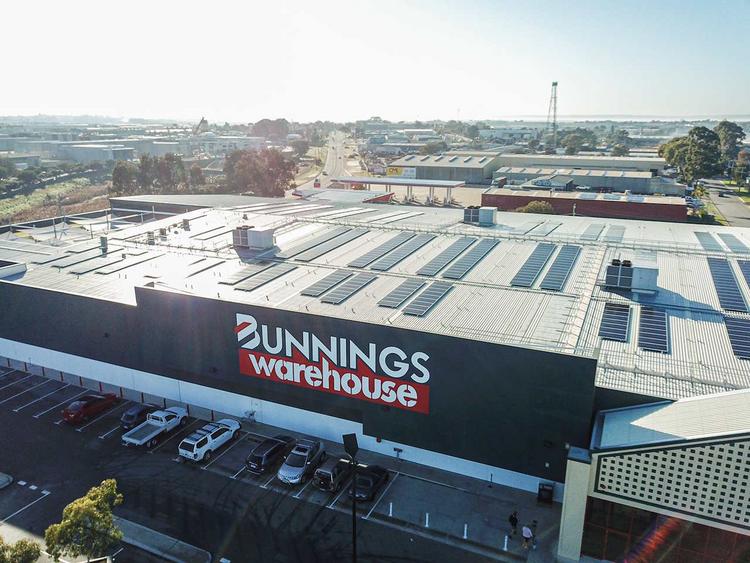
Bunnings’ rollout of zero up-front home solar and battery subscriptions highlights rising clean energy demand and the growing role of sustainable fuel options like biomass energy. Nawah Energies offers expert biomass solutions for emerging markets seeking renewable power and low-carbon alternatives.
The Big Picture: Why This Biomass Energy News Matters
In May 2024, Bunnings announced an exciting expansion of its zero up-front home solar and battery subscription service into three new Australian states, following successful trials in Sydney and Newcastle. This move underscores the escalating push toward decentralized clean energy solutions, where households can adopt sustainable power without prohibitive initial costs.
Though primarily a solar-battery rollout, this story is highly relevant for the broader renewable energy sector, including the biomass energy market. Increasing consumer and business interest in clean energy alternatives helps create fertile ground for other sustainable fuel technologies, such as wood pellets and biomass power generation facilities. Together, these innovations contribute to the urgent global energy transition away from fossil fuels.
Nawah Energies, a trusted leader in providing biomass power plants, wood pellet supply, and clean cooking solutions across East Africa, East Asia, and Malaysia, recognizes the momentum created by Bunnings’ solar-battery subscription model as an important validation of scalable, accessible renewable energy. This growing consumer appetite encourages the deployment of more reliable biomass-powered electricity and clean cooking options, particularly in emerging markets where electrification remains uneven.
How This Trend Is Shaping the Future of Clean Energy in East Africa and Asia
Bunnings’ initiative represents a broader shift in the energy landscape—one focussed on homegrown renewable generation, energy storage, and subscription-based pricing models that lower barriers for entry. This paradigm is highly instructive for rapidly developing regions such as East Africa, East Asia, and Malaysia, where power infrastructure is often less reliable or insufficiently connected for conventional electricity supply.
In these markets, biomass energy can play a vital complementary role to solar and battery solutions by providing:
Reliable, Dispatchable Power
Unlike solar, biomass power plants can generate electricity on demand regardless of weather conditions, filling gaps in power availability and stabilizing the grid.
Affordable and Scalable Sustainable Fuel
Wood pellets and other biomass pellets derived from agricultural residues, wood waste, or specially cultivated energy crops present a cost-effective alternative to fossil fuels and expensive imported LNG.
Clean Cooking and Industrial Applications
Beyond power, biomass pellets provide eco-friendly fuel for cooking stoves and industrial burners, improving indoor air quality and reducing health risks linked to traditional biomass use.
East African nations like Kenya, Tanzania, and Ethiopia continue expanding biomass power generation, leveraging local biomass resources to enhance energy security and reduce emissions. Meanwhile, Malaysia and East Asia embrace biomass co-firing and bioenergy projects as integral parts of their renewable energy portfolios. Bunnings’ scaled solar-battery subscription confirms consumer readiness to adopt green energy solutions, indirectly reinforcing demand for biomass integration in these markets.
Wood Pellets as a Scalable Alternative to Coal and Gas
Globally, there is mounting pressure to replace coal and gas-fired power with cleaner, carbon-neutral alternatives. Wood pellets have emerged as a key player in this shift due to several advantages:
Carbon Neutrality and Sustainability
When sustainably produced, wood pellets are recognized as carbon-neutral fuel because their combustion releases only biogenic CO2 previously absorbed by the biomass during growth.
High Energy Density and Transportability
Pellets have high energy content per unit volume and are easily transported long distances, unlocking international pellet trade markets especially between Southeast Asia and East Africa.
Compatibility with Existing Infrastructure
Biomass pellets can often be co-fired with coal in existing power plants or used in dedicated biomass power plants designed for sustainable fuel, minimizing the need for costly infrastructure overhauls.
As East African energy markets pursue diversification, enterprises can leverage clean energy consulting to develop pellet trade networks and retrofit plants for co-firing. Malaysia’s abundant forest resources further enable biomass pellet production as an export commodity and domestic clean fuel source. Nawah Energies offers expertise guiding stakeholders through biomass pellet sourcing and power plant conversion projects to optimize outcomes.
How Nawah Energies Delivers End-to-End Biomass Solutions
Nawah Energies stands out as a comprehensive biomass energy partner, supporting clients from initial feasibility to operations across East Africa, East Asia, and Malaysia. Their suite of services includes:
Wood Pellet Supply and Trade
By sourcing sustainably certified biomass pellets and managing logistics, Nawah Energies ensures reliable fuel supply chains calibrated to client and regional needs.
Biomass Power Plant Development and Consulting
The company advises on plant design, technology selection, and integration strategies that maximize efficiency and minimize environmental impacts.
Clean Cooking Solutions and Industrial Pellet Burners
Nawah Energies innovates safe, efficient clean cooking solutions such as pellet stoves to reduce indoor air pollution while lowering fuel costs for households and small businesses. Industrial clients benefit from customized industrial pellet burners designed to replace coal and gas in boilers and furnaces.
Energy Transition and Policy Advisory
Governments and investors rely on Nawah Energies’ clean energy consulting expertise to navigate regulatory frameworks and design biomass integration roadmaps congruent with climate goals.
Through this holistic approach, Nawah Energies enables emerging markets to shift toward affordable, scalable, and environmentally responsible bioenergy solutions that enhance energy access and economic development.
Biomass Power Plants: Turning Pellets into Electricity
Modern biomass power plants efficiently convert wood pellet fuel into reliable electricity. Essential features of these plants include:
- High-efficiency boilers and turbine systems optimized for biomass combustion
- Automated fuel feeding and ash removal mechanisms for smooth operations
- Emission control technologies compliant with stringent environmental standards
- Grid integration systems facilitating stable, dispatchable power supply
East African utilities face challenges such as limited biomass feedstock availability and financing constraints, but with expert partners like Nawah Energies, projects can be structured to maximize local biomass supply chains and secure investor confidence. Meanwhile, Malaysia and East Asia benefit from established biomass industries that continue to evolve with advanced pellet power station technologies.
The transition from coal to biomass power is supported by Nawah Energies’ technical and operational support, helping clients deliver cost-effective, low-carbon electricity critical to the broader energy decarbonization agenda.
Key Opportunities and What Businesses Should Watch
The clean energy landscape is rapidly evolving, and businesses in emerging markets should monitor several key trends:
Growing International Pellet Trade
As demonstrated by Southeast Asia and East Africa, cross-border wood pellet trade unlocks biomass fuel supply diversification and better price stability.
Technological Advances in Pellet Production and Combustion
Improved pelletizing techniques and industrial burners enhance fuel efficiency and reduce operating costs, increasing biomass competitiveness.
Policy Incentives for Biomass and Renewable Energy
Government support mechanisms such as feed-in tariffs and carbon credits accelerate biomass project viability and investor returns.
Integration of Biomass with Solar and Battery Storage
Hybrid energy systems combining solar, storage, and biomass enhance grid resilience and optimize renewable energy penetration in emerging markets.
Businesses and investors exploring biomass power plant projects or pellet supply partnerships are encouraged to seek collaboration with competent advisors like Nawah Energies. By leveraging Nawah Energies’ deep knowledge and proven solutions, stakeholders can navigate market complexities and scale sustainable biomass energy deployment effectively.
Partner with Nawah Energies for Clean Biomass Solutions
Discover more about Nawah Energies’ comprehensive services in wood pellets, biomass power plants, clean cooking solutions, and clean energy consulting at https://nawahenergies.com/. Stay connected with Nawah Energies for the latest insights on biomass markets, power generation, and clean energy innovations across East Africa, East Asia, and Malaysia.
If you are a business, distributor, energy developer, or government body aiming to transition from coal or gas to sustainable biomass fuel—whether for electricity generation, industrial use, or household cooking—we invite you to start the conversation with Nawah Energies. Reach out through the website to discuss supply partnerships, power plant projects, or consulting engagements.
Nawah Energies is committed to making clean, affordable biomass energy accessible across emerging markets, supporting a greener and more sustainable energy future worldwide.
Leave a Reply