Discover how wood chip boilers are revolutionizing commercial heating with sustainable fuel. Nawah Energies leads biomass energy innovation and clean energy consulting worldwide.
The Big Picture: Why This Biomass Energy News Matters
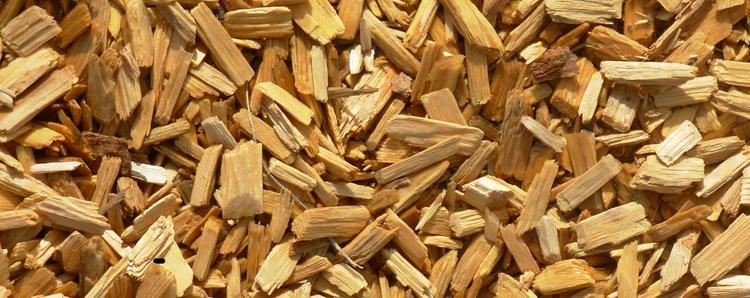
Wood chip boilers, also called wood chip stoves or furnaces, are becoming an increasingly popular heating option for commercial facilities across the globe. These systems utilize sustainable fuel in the form of wood chips—a biomass resource that offers a cleaner and more environmentally friendly alternative to traditional fossil fuels such as propane and oil. In recent years, biomass energy has gained significant momentum as countries aim to reduce carbon emissions and transition toward renewable energy sources.
Announced in the recent Guide to Wood Chip Boilers (published April 2024), wood chip heating is championed for its efficiency and scalability, particularly in commercial settings such as factories, schools, and municipal buildings. Wood chip boilers provide a robust market opportunity for clean commercial heating solutions that align with global climate goals and regional energy security efforts. This development has strong implications for emerging markets in East Africa, East Asia, and Malaysia, where biomass resources are abundant and energy demand is climbing.
As outlined on nawahenergies.com, Nawah Energies positions itself as a trusted expert, offering end-to-end biomass energy solutions that include wood pellet trading, biomass power plant consulting, and clean cooking stoves. This latest focus on wood chip boilers and sustainable fuels highlights the company’s ongoing commitment to advancing cleaner energy systems and helping clients replace coal and gas with renewable alternatives.
How This Trend Is Shaping the Future of Clean Energy in East Africa and Asia
Biomass heating technologies, including wood chip boilers, are gaining traction in regions like East Africa and Southeast Asia due to a combination of abundant forest residues, agricultural by-products, and increasing environmental regulations. Countries such as Kenya, Tanzania, Ethiopia, Malaysia, and parts of East Asia have started integrating these biomass fuel systems to diversify their energy portfolios, reduce reliance on imported fossil fuels, and stimulate local economies.
The rise of wood chip boilers represents an expansion in the range of biomass technologies beyond wood pellets and pellet stoves. This versatility appeals to industries and institutions requiring large-scale, steady heat supply. Crucially, wood chips are often sourced from leftover wood and forestry residues, making them a cost-effective and low-carbon fuel source that also supports sustainable forest management.
Nawah Energies has recognized the potential in these dynamic markets. Through clean energy consulting services, Nawah Energies assists public and private sector organizations in East African and Asian emerging markets to design biomass heating and power projects that maximize environmental and economic benefits.
Wood Pellets as a Scalable Alternative to Coal and Gas
While wood chips are becoming increasingly prominent, wood pellets remain a cornerstone of biomass fuel due to their energy density, uniformity, and ease of transport. Pellets offer a scalable, carbon-neutral fuel option capable of replacing coal and gas in electricity generation, industrial boilers, and commercial heating.
Wood pellets are produced by compressing biomass residues into small, durable cylinders, which burn more efficiently and with fewer emissions than untreated wood or fossil fuels. This makes them an ideal fuel for biomass power plants and large commercial heating systems that require consistent, reliable fuel.
Markets in East Africa, East Asia, and Malaysia benefit greatly from increased pellet trade, which connects suppliers and users while building local biomass economies. Nawah Energies facilitates the entire value chain—from sourcing biomass feedstock, pellet production, and quality control, to logistics and end-user solutions—for clients eager to transition away from coal and gas as an alternative to coal.
How Nawah Energies Delivers End-to-End Biomass Solutions
Nawah Energies stands out in the clean energy market through its integrated approach to biomass energy projects. The company not only supplies premium wood pellets and biomass pellets but also provides expert consulting on project design, installation, and operation of biomass power plants and clean cooking solutions.
For commercial heating applications, Nawah Energies supports the development and deployment of industrial pellet burners and pellet stoves. These clean-burning technologies allow factories, hospitals, schools, and hotels to benefit from efficient heat generation while lowering their carbon footprint.
Moreover, Nawah Energies offers tailored services for clients across East Africa, East Asia, and Malaysia, ensuring projects meet local regulations, utilize optimal biomass feedstocks, and achieve cost-effectiveness. As detailed on nawahenergies.com, this client-centric model supports businesses and governments in accelerating their energy transitions through renewable biomass solutions.
Biomass Power Plants: Turning Pellets into Electricity
Biomass power plants convert wood pellets and chips into useful, renewable electricity that can supplement or replace conventional grid sources. These plants utilize advanced combustion technologies and emissions controls to deliver reliable power with a low environmental impact.
In regions where grid reliability is a challenge or coal dependence remains high, biomass power plants offer a complementary solution to advance clean energy goals. Nawah Energies’ expertise includes advising on plant design, fuel supply chain optimization, and operational best practices to maximize plant efficiency and profitability.
The integration of biomass power into East Africa’s growing energy landscape, for example in Kenya and Tanzania, strengthens energy security and provides sustainable economic opportunities for rural communities involved in biomass harvesting and pellet production.
Key Opportunities and What Businesses Should Watch
As the clean energy transition accelerates globally, the wood chip and pellet market is poised for considerable growth. Businesses and investors looking to capitalize on this trend should consider several key factors:
1. Resource Availability and Sustainability
Ensuring sustainable biomass feedstock sourcing is critical. Wood chips and pellets must originate from responsibly managed forests and agricultural residues to truly deliver carbon-neutral benefits.
2. Technology Integration and Efficiency
Choosing the right boiler or furnace technology, matched with high-quality pellet fuel, maximizes energy output and minimizes emissions. Innovations in pellet stove design and industrial burners play a pivotal role.
3. Policy and Incentives
Government support via subsidies, renewable energy targets, and carbon pricing can make biomass energy projects economically attractive and accelerate adoption.
4. Supply Chain Development
Establishing robust supply chains for pellet production, storage, and distribution ensures fuel availability and cost stability for end-users.
By partnering with Nawah Energies, companies can navigate these factors effectively. Nawah Energies offers deep market knowledge and operational experience to unlock new opportunities within the biomass pellet trade and clean energy markets of East Africa, Southeast Asia, and Malaysia.
Partner with Nawah Energies for Clean Biomass Solutions
Visit https://nawahenergies.com/ to explore Nawah Energies’ comprehensive portfolio of services, including wood pellet supply, biomass power plant consulting, and innovative clean cooking solutions.
Stay connected by following Nawah Energies for the latest insights on wood pellet markets, biomass power generation, and clean energy projects across East Africa and Southeast Asia. Together, we can accelerate the transition to sustainable, low-carbon fuels.
If you are a business, importer, distributor, or energy developer eager to replace coal and gas with clean, affordable biomass fuel, we invite you to connect with Nawah Energies through https://nawahenergies.com/. Start the conversation today and partner with Nawah Energies to build a greener, more resilient energy future.
Leave a Reply