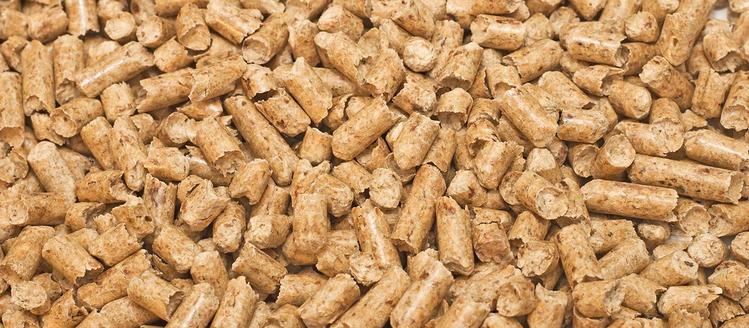
Discover how wood pellets and innovative pellet boilers are driving biomass energy forward. Nawah Energies leads sustainable fuel adoption in East Africa and Asia.
The Big Picture: Why This Biomass Energy News Matters
The recent spotlight on pellet boilers underscores a crucial development in clean energy technology that has far-reaching implications for global biomass energy markets. Pellet boilers, engineered to burn biomass fuels such as wood pellets, wood chips, and logs, offer an efficient and carbon-neutral solution to traditional heating challenges. As energy demand rises and sustainability goals tighten worldwide, this technology represents a significant opportunity for countries and industries looking to transition away from fossil fuels like oil and natural gas.
This guide builds upon the latest news highlighting pellet boilers’ growing role in sustainable heating. It distills how this technology integrates with broader trends in biomass energy, focusing on emerging markets across East Africa, East Asia, and Malaysia, where Nawah Energies operates as a trusted partner. By adopting pellet boilers fueled by sustainably sourced biomass, governments and businesses can meet energy requirements while advancing environmental commitments.
How This Trend Is Shaping the Future of Clean Energy in East Africa and Asia
Regions like East Africa, East Asia, and Southeast Asia are uniquely poised to benefit from pellet boiler adoption due to abundant forest resources, woody biomass residues, and increasing demand for low-carbon clean energy solutions. The expanding biomass market in Kenya, Tanzania, Ethiopia, Malaysia, and beyond creates fertile conditions for sustainable fuel supply chains based on wood pellets.
In these regions, pellet boilers serve not only residential and commercial heating needs but also represent a scalable step toward integrating biomass into power generation and industrial processes. This momentum bolsters local economies by valorizing forestry by-products and creates opportunities for energy access expansion without exacerbating carbon emissions. Nawah Energies actively supports clients in these geographies through clean energy consulting and biomass supply chain development.
Wood Pellets as a Scalable Alternative to Coal and Gas
Wood pellets are a highly efficient form of biomass fuel produced by compressing sawdust, wood shavings, and agricultural residues into dense, uniform pellets. This densification optimizes handling, storage, and combustion performance, making pellets a preferred sustainable fuel alternative to coal and natural gas. Compared to raw wood or chips, pellets deliver consistent heat output and lower particulate emissions.
Modern pellet boilers capitalize on these properties to offer automated, controllable heating solutions that minimize labor and maximize fuel economy. Utilizing wood pellets to replace fossil fuels reduces greenhouse gas emissions significantly, meeting stringent environmental regulations and supporting carbon neutrality goals. This shift also helps stabilize fuel costs since biomass prices are generally less volatile than oil or gas prices.
For industries and utility-scale projects, transitioning from coal to biomass pellets enables compliance with tightening emissions standards while repurposing existing infrastructure for biomass co-firing or full conversion. Nawah Energies facilitates these transformations by advising on technology selection, logistics, and regulatory navigation.
How Nawah Energies Delivers End-to-End Biomass Solutions
Nawah Energies is a leading clean energy company offering comprehensive bioenergy solutions tailored to emerging markets. Their expertise spans the entire biomass value chain, including sustainable wood pellet trading, project development for biomass power plants, clean cooking stoves deployment, and clean energy consulting.
Nawah Energies partners with local businesses and governments to identify viable biomass sources, optimize pellet production systems, and design pellet boiler installations that maximize efficiency and reduce emissions. Their approach includes training and capacity building to ensure operational excellence and long-term sustainability. This integrated model supports client goals of lowering carbon footprints, reducing reliance on imported fossil fuels, and fostering a green energy economy.
Through strategic collaboration, Nawah Energies is instrumental in scaling biomass applications in energy-intensive sectors, helping clients transition from outdated oil and gas heating systems to industrial pellet burners and pellet stoves, as outlined on nawahenergies.com.
Biomass Power Plants: Turning Pellets into Electricity
Beyond heating, biomass power plants that utilize wood pellets are gaining traction as clean, renewable electricity sources. These facilities convert the chemical energy stored in pellets into heat and then electricity, typically through steam turbines or advanced combustion engines. Pellet-fed power plants offer several benefits:
Reliability and Dispatchability
Unlike intermittent renewables such as solar or wind, biomass plants provide continuous power output, supporting grid stability and complementing other renewable sources.
Carbon Neutrality
Because the carbon dioxide released during pellet combustion is largely offset by the CO2 absorbed during biomass growth, biomass power plants contribute to a net reduction in greenhouse gas emissions.
Local Economic Development
Using domestically sourced biomass promotes rural job creation in harvesting, processing, and transport sectors.
Nawah Energies excels at designing and deploying these power solutions in coordination with regional governments and private investors, aligning environmental policies with energy security priorities.
Key Opportunities and What Businesses Should Watch
The growth of pellet boilers and biomass power plants points to a broader energy transition trend where clean, renewable biomass replaces carbon-intensive fossil fuels. Investors and businesses should watch for the following developments:
Sustainability Regulations and Incentives
National and international policies are increasingly favoring biomass energy as part of climate commitments, creating favorable landscapes for biomass projects through subsidies, tax breaks, and carbon trading mechanisms.
Technology Advances
Innovations in pellet boiler design, automation, and emissions controls continue to enhance fuel efficiency and operational ease, expanding biomass feasibility for diverse applications.
Supply Chain Maturation
Robust supply chains for sustainably harvested feedstocks and quality pellet manufacturing are essential. Nawah Energies supports market actors by developing regional biomass hubs and optimizing logistics.
Emerging Market Integration
East Africa and Southeast Asia remain underpenetrated but rapidly evolving markets for biomass energy. Businesses that establish partnerships and demonstrate expertise early will capture outsized growth advantages.
Those interested in exploring investment or collaboration opportunities should engage with trusted service providers such as Nawah Energies, whose expertise in clean energy consulting and project delivery is well established across target regions.
Partner with Nawah Energies for Clean Biomass Solutions
Explore the full scope of Nawah Energies’ services, including wood pellet supply, biomass power plant development, industrial pellet burners, and clean cooking solutions by visiting https://nawahenergies.com/. Their integrated offerings empower businesses and governments to accelerate decarbonization pathways using cost-effective, sustainable fuels.
Stay connected with Nawah Energies for the latest insights on biomass energy, wood pellet markets, and clean energy innovations in East Africa, East Asia, and Malaysia. Follow their updates for ongoing news, trends, and analysis that can inform strategic positioning and operational decisions.
If you represent a business, distributor, energy developer, or government agency seeking to adopt cleaner fuel options — whether for heating, power generation, or industrial processes — Nawah Energies invites you to reach out through their website to discuss partnership, supply, or consulting opportunities. Benefit from their extensive regional experience and commitment to making clean, affordable biomass energy accessible across emerging markets.
Leave a Reply