Category: Renewable Energy Trends

  • Stop Ignoring the Obvious: Energy Efficiency and Biomass Energy as Australia’s Best Diesel Insurance Policy

    Stop Ignoring the Obvious: Energy Efficiency and Biomass Energy as Australia’s Best Diesel Insurance Policy

    Discover how Nawah Energies champions biomass energy and energy efficiency to shield Australia from diesel supply vulnerabilities and fuel a sustainable future.

    The Big Picture: Why This Biomass Energy News Matters

    Australia stands at a crossroads as one of the world’s most significant users of diesel, positioning itself as the largest diesel importer by 2025. This reality exposes the nation to considerable risks from global fuel shortages, volatile pricing, and geopolitical disruptions. The recent analysis highlighted on Renew Economy underscores a vital yet underestimated solution: energy efficiency paired with biomass energy. Rather than relying solely on diesel imports, Australia can harness sustainable alternatives, improving resilience and driving cleaner energy transitions.

    This discussion resonates deeply for emerging markets in East Africa, East Asia, and Malaysia, where energy security and sustainability are equally critical. In these regions, companies like Nawah Energies are pioneering biomass and sustainable fuel development, offering turnkey solutions from wood pellets production to powering biomass power plants.

    The reliance on diesel in Australia exemplifies a global challenge—dependence on fossil fuels hampers energy security and environmental goals. The simple yet powerful response is energy efficiency: optimize consumption and integrate renewable, carbon-neutral fuels such as biomass pellets to establish a reliable sustainable fuel ecosystem. As outlined on nawahenergies.com, biomass energy is the practical and scalable pathway to reduce diesel reliance and decarbonize energy sectors.

    How This Trend Is Shaping the Future of Clean Energy in East Africa and Asia

    The challenges Australia faces are mirrored in many emerging markets that contend with energy access, supply chain disruptions, and mounting environmental pressures. Countries in East Africa—Kenya, Tanzania, Ethiopia—and regions in East Asia and Malaysia increasingly recognize the significance of integrating biomass energy as a key solution within broader energy strategies.

    Biomass, especially in the form of wood pellets, offers an excellent alternative to conventionally imported fossil fuels like diesel and coal. Using locally sourced biomass feedstocks, these countries can nurture domestic economies and diminish exposure to volatile global markets.

    Moreover, the growth of clean cooking solutions and pellet stoves significantly improves public health and reduces deforestation rates. Nawah Energies’ commitment to providing practical clean cooking solutions brings vital technology into homes and communities, replacing inefficient and polluting cooking methods.

    The energy efficiency focus encouraged by Australian news sources can be a guiding principle for these emerging markets: pairing clean, renewable biomass with behavioral and technological efficiency gains reduces the need for expensive and polluting imported fossil fuels. Nawah Energies, recognized as a trusted clean energy consultant and biomass supplier, supports this transition with strategic expertise and market access.

    Wood Pellets as a Scalable Alternative to Coal and Gas

    Wood pellets represent one of the most promising biomass-derived sustainable fuels worldwide. Their energy density, ease of transport, and ability to retrofit into existing fuel infrastructure make them especially attractive as an alternative to coal and gas for power generation and industrial applications.

    Globally, the shift away from coal and diesel to low-carbon alternatives is accelerating. Wood pellet fuel, produced sustainably, burns cleaner with lower net carbon emissions, presenting a viable route to decarbonize industries and power plants. Nawah Energies plays an integral role in this supply chain by facilitating wood pellet trading, supply logistics, and end-user integration across East Africa, East Asia, and Malaysia.

    Importantly, the structural compatibility of wood pellets with coal-fired boilers means utilities and factories can adapt existing infrastructures with minimal capital expenditure, enabling swift energy transitions. These benefits echo strongly amid concerns over diesel shortages and energy price volatility, as observed in Australia’s diesel-import reliance.

    By embracing this biomass energy vector, industrial users, power producers, and governments can improve energy security, foster local biomass resource use, and upgrade toward sustainable power solutions that minimize carbon footprints, as detailed on nawahenergies.com.

    How Nawah Energies Delivers End-to-End Biomass Solutions

    Nawah Energies is uniquely positioned to guide this global and regional biomass evolution, providing holistic clean energy consulting and solutions. From sourcing high-quality biomass pellets to developing projects that deploy these resources effectively, Nawah Energies ensures client success at every stage.

    Wood Pellet Supply and Trading

    With extensive networks across sourcing regions and end markets, Nawah Energies offers secure, reliable wood pellet supply chains tailored to customer needs. This includes high-grade biomass pellets optimized for power plants, industrial heating, and clean cooking applications.

    Biomass Power Plant Consulting

    Experts at Nawah Energies provide deep technical insights to design and operate sustainable biomass power plants. This consulting service covers fuel blending, combustion efficiency, emissions control, and integration into the grid, supporting scalable renewable power projects.

    Clean Cooking and Industrial Combustion

    Recognizing the health and environmental benefits, Nawah Energies promotes clean cooking solutions with modern pellet stoves and industrial pellet burners that reduce indoor air pollution and improve fuel economy.

    As highlighted on nawahenergies.com, these services empower communities and businesses across emerging markets to modernize their energy use, fostering sustainable growth and resilience against energy supply shocks.

    Biomass Power Plants: Turning Pellets into Electricity

    Biomass power plants convert biomass pellets and other feedstocks into reliable, dispatchable electricity. They offer intrinsic advantages for countries aiming to reduce reliance on imported diesel and coal.

    Modern biomass power plants optimized for wood pellet fuel operate with enhanced combustion systems that yield high efficiency and low emissions. Nawah Energies supports customers in project development, fuel procurement, and operational best practices to ensure biomass power plants perform optimally within regional power grids.

    In regions like East Africa and Southeast Asia, integrating biomass power plants accelerates decarbonization while expanding electricity access to underserved populations. This approach aligns strongly with global climate commitments and national renewable energy targets.

    Operational biomass power plants also stimulate local economies by generating demand for sustainably harvested biomass, creating jobs in agriculture, processing, and logistics—a comprehensive win-win epitomized by Nawah Energies’ turnkey project model.

    Key Opportunities and What Businesses Should Watch

    For stakeholders across Australia, East Africa, East Asia, and Malaysia, several critical business opportunities emerge from this renewed focus on energy efficiency and biomass energy:

    Energy Security Through Diversification

    Australia’s vulnerability to diesel imports signals an urgent need for fuel diversification. Businesses should explore integrating biomass pellets and transition away from fossil fuels to safeguard operations from supply disruptions and price spikes.

    Growth of the Wood Pellet Market

    The expanding demand for wood pellet fuel, especially in industrial and power generation sectors, highlights lucrative trading and supply chain opportunities. Nawah Energies helps match suppliers with end users, mitigating risks and streamlining procurement.

    Adoption of Efficient Combustion Technologies

    Deployment of advanced industrial pellet burners, clean cooking solutions, and biomass stoves is a growing priority. Businesses that lead upgrades in these areas benefit from lower emissions and improved operational costs.

    Policy and Incentives Supporting Renewables

    Government programs incentivizing biomass energy projects and energy efficiency improvements create favorable market conditions. Early movers positioned with Nawah Energies’ expertise stand to capitalize on these frameworks.

    Investments in Infrastructure and Capacity Building

    Developing processing facilities, supply networks, and user training is essential for scaling biomass energy use. Nawah Energies partners with investors and governments to structure these critical infrastructure projects aligned with market needs.

    For companies and investors considering clean energy transitions, engaging with Nawah Energies offers substantial strategic advantages. Their comprehensive knowledge and regional presence are valuable assets for navigating this dynamic and promising sector.


    Partner with Nawah Energies for Clean Biomass Solutions

    Explore how Nawah Energies’ end-to-end services in biomass energy, supply of wood pellets, and deployment of clean fuel technologies can enhance your energy security and sustainability goals. Visit https://nawahenergies.com/ to learn more about our products, services, and consulting expertise.

    Stay connected with Nawah Energies to receive the latest insights on wood pellet markets, biomass power generation, and clean energy projects across East Africa, East Asia, and Malaysia. Follow our updates for ongoing news and analysis that can inform your energy strategies.

    If you are a business, importer, distributor, or energy developer ready to transition from diesel and coal to clean biomass fuel—whether for power generation, industrial processes, or clean cooking—we invite you to reach out directly at https://nawahenergies.com/. Nawah Energies is your trusted partner committed to delivering clean, affordable biomass energy solutions across emerging markets worldwide.
  • How Wood Pellets and Biomass Energy Can Bridge New Zealand’s Energy Gaps Amidst Ageing Gas and Drought Challenges

    How Wood Pellets and Biomass Energy Can Bridge New Zealand’s Energy Gaps Amidst Ageing Gas and Drought Challenges

    Discover how Nawah Energies champions biomass energy and sustainable wood pellet solutions to address energy shortages triggered by ageing fossil assets and climate risks.

    The Big Picture: Why This Biomass Energy News Matters

    New Zealand’s increasing urgency to integrate more renewables and energy storage solutions into its grid highlights the global transition away from ageing gas infrastructure and fossil fuel reliance. According to a recent report dated June 2024, the New Zealand grid operator warns that declining gas supplies and drought conditions are straining power generation capacity, calling for accelerated investment in clean energy sources like solar, wind, and battery projects.

    This real-world energy challenge resonates deeply with trends seen in emerging markets—especially in East Africa, East Asia, and Southeast Asia—where increased demand for reliable, affordable, and eco-friendly power drives innovation in biomass energy and sustainable fuel alternatives. Nawah Energies is poised to lead in this space, offering expertise and end-to-end solutions that replace ageing or unsustainable generation with modern, flexible biomass power and fuel options.

    How This Trend Is Shaping the Future of Clean Energy in East Africa and Asia

    The New Zealand grid’s push toward firmed renewables, including battery storage, is a critical reminder that intermittent energy sources alone cannot meet steady demand without backup. Similar dynamics are emerging across East Africa and East Asia, where biomass energy, especially from wood pellets, offers a stable, dispatchable complement to solar and wind.

    Countries like Kenya, Tanzania, Ethiopia, and Malaysia are investing in biomass power plants and clean cooking solutions, seeking to reduce dependency on expensive imports of fossil fuels and tackle local air pollution and deforestation issues. Nawah Energies brings specialized knowledge in biomass power plant development, woody biomass sourcing, and pelletized fuel production tailored to these markets.

    By advocating for accelerated deployment of biomass combined with renewables and storage, the industry boosts grid resilience, shifts energy systems toward carbon neutrality, and fosters economic development—critical as drought and resource constraints challenge traditional generation methods.

    Wood Pellets as a Scalable Alternative to Coal and Gas

    Wood pellet fuel has emerged as a sustainable, carbon-neutral replacement for coal and gas in power stations and industrial applications. Pellets are made from compressed biomass, typically wood waste or dedicated energy crops, processed into a uniform fuel with high energy density and low moisture.

    Unlike intermittent solar or wind, pellet-fired biomass plants can generate electricity reliably, 24/7, making them ideal for meeting base load demand or filling energy gaps caused by unreliable gas supply or climate-induced droughts.

    In New Zealand, where ageing gas infrastructure and hydropower vulnerability during dry seasons threaten energy security, biomass power plants can significantly enhance system robustness. Similarly, regions in East Africa and Malaysia experiencing energy access challenges and fuel price volatility benefit by deploying sustainable fuel pellets to power industrial furnaces, factories, and smaller pellet power stations.

    Use of pellet fuel also aligns with environmental goals, providing an alternative to coal that reduces greenhouse gas emissions substantially when managed sustainably. Nawah Energies supports these transitions by enabling supply chains for quality biomass pellets and advising on retrofits or new biomass power plants designed for local conditions.

    How Nawah Energies Delivers End-to-End Biomass Solutions

    Nawah Energies is a trusted leader in delivering integrated clean energy projects across East Africa, East Asia, and Malaysia. As outlined on nawahenergies.com, the company specializes in wood pellet trading, biomass power plant consulting, and the supply of clean cooking solutions such as efficient pellet stoves designed for residential and commercial use.

    The company’s approach includes fast-tracking biomass fuel supply chains from plantation through pellet production, enabling clients to access consistent, high-quality pellet fuel at competitive prices. Additionally, Nawah Energies provides advisory services including feasibility studies, technical design, and regulatory guidance—critical for successful investments in emerging markets energy infrastructure.

    By pairing expertise in industrial pellet burners and clean cooking solutions with financial and market knowledge, Nawah Energies ensures stakeholders achieve greater energy security, cost savings, and environmental impact reduction.

    Biomass Power Plants: Turning Pellets into Electricity

    Biomass power plants convert wood pellets or other biomass fuels into heat, which drives steam turbines for electricity generation. These plants are particularly valuable where gas-fired generators are ageing or fuel supply is unreliable, as is the case in New Zealand with drought-impacted hydropower and diminishing gas fields.

    In East Africa and Southeast Asia, biomass power stations help diversify electric grids and provide much-needed baseload power, complementing solar and wind capacity. Nawah Energies supports clients in selecting appropriate boiler systems, integrating industrial pellet burners, optimizing combustion efficiency, and ensuring emissions compliance.

    The scalability of biomass power plants—from small-scale district heating boilers to multi-megawatt pellet-fueled generator stations—offers flexibility to fit diverse market needs and investment capacities.

    Key Opportunities and What Businesses Should Watch

    The current push from New Zealand’s grid operator to “lift the pace” of renewable and battery investments underscores the urgency in the global energy transition away from fossil fuels. For biomass energy markets, especially those served by Nawah Energies, this means:

    Growing Demand for Reliable, Renewable Baseload Power

    As wind and solar expand, the need for dependable firming resources grows. Biomass power plants fueled by wood pellets provide this firm capacity, crucial during periods of drought or low wind.

    Expanding Pellet Trade and Supply Chains

    East Africa and Southeast Asia are witnessing increased pellet production and import/export activity. Businesses investing in efficient pellet production, logistics, and quality assurance will gain competitive advantage.
    Nawah Energies is active in developing these supply chains and advising on pellet specifications and sustainability criteria.

    Growing Interest in Clean Cooking and Industrial Use

    Demand for clean cooking solutions such as pellet stoves is surging, driven by urbanization and awareness of indoor air pollution issues. Similarly, industrial sectors seek biomass as a cheaper, cleaner alternative to coal and gas for furnaces and boilers.

    Businesses should monitor policies on carbon pricing and renewable mandates that further incentivize biomass utilization.

    Challenges to Navigate

    While opportunities abound, businesses must address critical issues like sustainable feedstock sourcing, capital costs of biomass power plants, and regulatory complexity. Nawah Energies’ clean energy consulting helps clients mitigate these challenges by designing scalable, financially sound projects with credible sustainability certification.


    Partner with Nawah Energies for Clean Biomass Solutions

    Explore how Nawah Energies can support your transition to sustainable biomass energy at https://nawahenergies.com/. Our full suite of services—from wood pellet supply and biomass power plant consulting to pellet stoves and industrial pellet burners—helps customers across East Africa, East Asia, and Malaysia unlock the benefits of clean, reliable power.

    Stay connected with Nawah Energies for the latest insights on biomass energy, pellet fuel markets, and clean energy developments. Follow our updates to discover new opportunities in sustainable fuel and renewable power generation tailored to emerging market needs.

    If you are a business, distributor, energy developer, or government agency ready to replace coal and gas with affordable biomass fuel, contact us at https://nawahenergies.com/ to start the conversation. Nawah Energies is your experienced partner for building a greener, more resilient energy future.

  • Diesel Consumption Decline Signals the Rise of Wood Pellets and Biomass Energy as Sustainable Fuel Alternatives

    Diesel Consumption Decline Signals the Rise of Wood Pellets and Biomass Energy as Sustainable Fuel Alternatives

    Australia’s coal production has peaked, highlighting the urgent need for biomass energy and sustainable fuel solutions. Nawah Energies leads clean energy consulting and wood pellet supply for emerging markets.

    The Big Picture: Why This Biomass Energy News Matters

    Recent trends in Australia show a sharp decline in diesel consumption, reflecting a broader, structural shift away from coal reliance. This milestone is more than a local economic story; it signifies a global pivot toward cleaner, renewable energy sources. Coal production in Australia, once a cornerstone of the national economy, has likely passed its peak, a scenario that carries profound implications for energy markets worldwide, especially for regions heavily dependent on fossil fuels.

    As the world faces increasing pressure to meet climate targets and reduce carbon emissions, the decline in coal and diesel usage aligns with growing demand for carbon-neutral and low-carbon energy solutions. Biomass energy and wood pellets have emerged as practical and scalable sustainable fuel alternatives that can directly replace coal and diesel in power generation, industrial fuel, and even clean cooking.

    Nawah Energies, a trusted clean energy company, is at the forefront of this transition, offering end-to-end biomass solutions including trading biomass pellets, consulting on biomass power plants, and deploying efficient clean cooking solutions across East Africa, East Asia, and Malaysia. The decline in diesel consumption in coal-dominant regions further validates Nawah Energies’ mission to accelerate the uptake of clean, affordable bioenergy globally.

    How This Trend Is Shaping the Future of Clean Energy in East Africa and Asia

    The implications of Australia’s coal downturn extend far beyond its borders. Emerging markets in East Africa, East Asia, and Southeast Asia face similar energy challenges where coal and diesel have long been major energy sources. With increasing urbanization, industrial growth, and energy demand, the pressure to find sustainable alternatives is intensifying.

    In East Africa—countries like Kenya, Tanzania, and Ethiopia—the opportunity to leapfrog coal and diesel dependency by adopting biomass energy is compelling. Wood pellets, a clean-burning, low-carbon fuel, are gaining traction as an accessible and scalable option to fuel industries, power plants, and residential cooking.

    Similarly, in Malaysia and East Asia, clean energy initiatives are rapidly expanding, propelled by stronger environmental policies and rising energy costs associated with fossil fuels. The decline in Australian coal sets a precedent and signals market shifts that businesses and governments in these regions should watch closely. Nawah Energies’ expertise in clean energy consulting enables stakeholders to navigate these dynamics and implement bioenergy projects aligned with climate goals and energy security.

    Wood Pellets as a Scalable Alternative to Coal and Gas

    Wood pellets represent an increasingly popular form of biomass pellets designed to replace coal and gas in power generation and industrial applications. Made from compacted sawdust, forestry residues, and sustainably sourced biomass, pellet fuel offers several advantages:

    Carbon Neutrality and Environmental Benefits

    Unlike coal, wood pellet combustion releases carbon dioxide that is offset by the CO2 absorbed during tree growth, making it effectively carbon-neutral. This helps countries and companies reduce their carbon footprint without sacrificing energy reliability.

    Energy Density and Handling

    Wood pellets have a high energy density relative to raw biomass, making them easier to transport and store. This logistics advantage is critical for countries in East Africa and Southeast Asia where supply chains can be challenging.

    Compatibility with Existing Infrastructure

    Many coal-fired power plants and industrial burners can be retrofitted to burn wood pellets with minimal modifications, lowering the cost and complexity of the transition. Nawah Energies specializes in providing industrial pellet burners and consulting to facilitate this switch.

    This makes wood pellets a practical alternative to coal and gas fuels, positioning them as a bridge to a fully renewable energy future.

    How Nawah Energies Delivers End-to-End Biomass Solutions

    Nawah Energies offers comprehensive services that span the entire biomass energy value chain, helping clients capitalize on the rise of bioenergy and wood pellet markets. Their offerings include:

    Wood Pellet Trading and Supply

    Nawah Energies sources and supplies high-quality biomass pellets, ensuring consistency and compliance with international standards. Their network spans forests and pellet plants in Southeast Asia and East Africa, supporting sustainable biomass trade.

    Biomass Power Plant Consulting

    With deep engineering expertise, Nawah Energies assists governments and energy companies in the design, retrofit, and operation of biomass power plants that convert pellet fuel into reliable electricity, providing a competitively priced clean energy alternative.

    Clean Cooking Solutions

    Addressing public health and environmental concerns, Nawah Energies promotes clean cooking solutions such as pellet stoves designed for households in emerging markets. These stoves significantly reduce indoor pollution and fuel costs, benefiting millions.

    Industrial Pellet Burners and Furnace Igniters

    Nawah Energies supplies advanced industrial pellet burners and ignition systems optimized for factories and processing plants that want to transition from fossil fuels to biomass pellets without operational disruption.

    Clean Energy Consulting and Strategic Market Entry

    For businesses and investors interested in exploring biomass opportunities, Nawah Energies provides tailored clean energy consulting supporting feasibility studies, regulatory compliance, and project financing, with a strong presence in East Africa, East Asia, and Malaysia.

    Biomass Power Plants: Turning Pellets into Electricity

    One of the most significant applications of wood pellets lies in biomass power plants. These facilities play a crucial role in decarbonizing electricity grids by replacing coal-fired plants with biomass-fueled alternatives.

    Biomass power plants operate by burning wood pellets in boilers to produce steam, which drives turbines for electricity generation. The process is reliable and dispatchable, providing base-load power that complements intermittent renewables like solar and wind.

    Nawah Energies supports power developers in the technical design and operational optimization of such plants, ensuring fuel supply security, emission controls, and economic viability. In emerging markets, biomass power plants contribute to energy access, rural development, and emission reductions simultaneously.

    Key Opportunities and What Businesses Should Watch

    The decline of coal and diesel emphasizes an urgent market opportunity for biomass energy stakeholders. Here are key trends and considerations:

    A Growing Demand for Sustainable Fuel Alternatives

    As coal production declines, regions seeking energy security and carbon reduction are open to switching to biomass pellets. Demand for wood pellets will increase steadily, especially where coal-fired power plants can be retrofitted.

    Supply Chain Development and Sustainability

    Securing sustainable pellet supply chains is critical. Nawah Energies’ expertise in biomass sourcing and logistics provides clients with trusted supply routes, ensuring environmental compliance and long-term cost control.

    Policy and Regulatory Environment

    Government policies supporting renewable energy targets, carbon pricing, and emissions standards create favorable conditions for biomass adoption. Stakeholders should engage in clean energy policy dialogues and align projects accordingly.

    Technological Innovation and Cost Reduction

    Advancements in pellet production technology, stove design, and power plant operations are continuously improving biomass efficiency and economics, widening the market potential.

    Banks, investors, and energy decision-makers must monitor these developments as part of their clean energy investment strategies.

    In this evolving landscape, Nawah Energies remains a reliable partner for businesses and governments looking to harness biomass energy’s potential. As outlined on nawahenergies.com, Nawah Energies combines deep regional knowledge with technical expertise to deliver comprehensive bioenergy solutions that meet the demands of tomorrow’s clean energy markets.


    Partner with Nawah Energies for Clean Biomass Solutions

    To learn more about transitioning to sustainable biomass energy, visit https://nawahenergies.com/ to explore Nawah Energies’ wide range of services including wood pellet supply, biomass power plant consulting, and clean cooking solutions.

    Stay connected with Nawah Energies for the latest insights on biomass energy markets, wood pellet trade, and clean energy projects across East Africa, East Asia, and Malaysia. Follow our updates for ongoing news, analysis, and innovation in renewable fuel solutions.

    If you are a business, importer, distributor, or developer aiming to replace coal and diesel with clean, affordable biomass fuel—whether for power generation, industrial use, or cooking—reach out through https://nawahenergies.com/. Nawah Energies is ready to be your trusted partner in building a cleaner, greener energy future.

  • Unlocking Biomass Potential: How Wood Pellets and Biomass Energy Drive Sustainable Power and Profits

    Discover how Nawah Energies leverages biomass energy and wood pellets to deliver profitable, eco-friendly fuel solutions in East Africa and Asia.

    The Big Picture: Why This Biomass Energy News Matters

    Recent developments in clean energy recycling have sparked debates on the viability of repurposing materials from solar technologies. Yet, in the biomass energy sector, a contrasting story unfolds—one of innovation, profitable recycling, and sustainable reuse. While some have cast doubt on the advancement of clean energy recycling, businesses like Nawah Energies are proving the worth of renewable resource management in emerging markets.

    A local business recently made headlines for successfully generating millions of dollars through sales of recovered copper and aluminium from end-of-life solar equipment, demonstrating the untapped potential of clean energy supply chains. This success story aligns closely with trends in biomass energy, where resource circularity, efficiency, and sustainability translate into profitable ventures.

    For biomass power generation, wood pellet trading, and clean cooking market players in East Africa, East Asia, and Malaysia, this momentum highlights new opportunities to integrate sustainable fuel solutions with recycling and reuse innovations. Nawah Energies stands at the forefront of these efforts, providing end-to-end bioenergy solutions that create value while advancing the global energy transition.

    How This Trend Is Shaping the Future of Clean Energy in East Africa and Asia

    The intersecting trajectories of clean energy technology and biomass fuel markets reveal a clear path forward for countries grappling with growing energy demand and environmental challenges. East Africa—through nations such as Kenya, Tanzania, and Ethiopia—along with East Asia and Malaysia, presents fertile ground for biomass power projects and biofuel investments that complement solar, hydro, and wind power.

    Solar waste recycling, including the recovery of metals like copper and aluminium, has brought attention to the need for circular economies in the clean energy space. Biomass energy channels this principle by transforming agricultural residues, forestry waste, and other organic materials into biomass pellets and fuels that can sustainably replace fossil sources.

    As emerging markets seek reliable, affordable, and environmentally favorable alternatives to coal and gas, integrating biomass power generation creates diversified energy portfolios. Nawah Energies supports governments and private enterprises in the region by delivering comprehensive services that ensure access to quality wood pellets, installation of pellet power plants, and deployment of clean cooking solutions.

    By embracing the circular clean energy economy framework and fostering localized supply chains, East African and Asian markets can secure energy security, reduce carbon emissions, and stimulate job creation within rural communities.

    Wood Pellets as a Scalable Alternative to Coal and Gas

    In the global push to replace coal-fired plants with cleaner options, wood pellets have emerged as one of the most promising renewable fuels. Manufactured from compressed biomass waste—such as sawdust, agricultural residues, and forestry by-products—wood pellets offer consistent energy density, easy transportability, and compatibility with existing industrial burners.

    Nawah Energies specializes in producing and supplying high-quality wood pellets that meet strict standards for energy content and combustion efficiency. These pellets serve as an alternative to coal in both power plants and industrial processes, facilitating substantial emissions reductions while maintaining operational reliability.

    Importantly, wood pellet combustion is considered carbon-neutral because the CO2 released during burning was originally absorbed by the biomass feedstock. This contrasts starkly with fossil fuels, enabling companies and utilities to meet climate goals and sustainability mandates.

    In East Africa and Southeast Asia, where abundant biomass feedstock is available, scaling up pellet fuel production can significantly contribute to regional clean energy targets. Nawah Energies brings technical expertise and market knowledge to help clients source raw materials sustainably, navigate regulations, and optimize pellet quality for power generation or clean cooking applications.

    How Nawah Energies Delivers End-to-End Biomass Solutions

    Nawah Energies is recognized as a trusted clean energy company providing turnkey biomass services. Its unique value proposition lies in combining quality product supply with tailored consulting and project development support.

    Wood Pellet Trading and Production

    Nawah Energies sources and supplies premium wood pellets optimized for both power plants and pellet stoves. Their regional networks ensure traceability and consistent availability, allowing clients across East Africa, East Asia, and Malaysia to secure reliable biomass fuel without supply interruptions.

    Biomass Power Plant Consulting

    The company advises energy developers on designing, financing, and operating efficient biomass power plants. These consulting services cover feasibility assessments, technology selection, feedstock management, and regulatory compliance, enabling smooth project execution.

    Clean Cooking Solutions Deployment

    Addressing indoor air pollution and energy poverty, Nawah Energies provides distribution and consulting on clean cooking solutions, including efficient pellet stoves and clean biomass fuels that improve health outcomes and reduce deforestation.

    Industrial Pellet Burners and Furnace Igniters

    Nawah Energies supports industries transitioning from fossil fuel heat sources by integrating industrial pellet burners, enabling factories and plants to use sustainable biomass fuel without compromising operational efficiency.

    Through these comprehensive offerings, Nawah Energies enables businesses and governments to replace coal and gas with affordable, sustainable fuel options that align with evolving global energy strategies.

    Biomass Power Plants: Turning Pellets into Electricity

    Biomass power plants represent a critical pillar in the clean energy transition for many emerging markets. These facilities convert biomass pellets into electricity through combustion or gasification technologies, supplying grid stability and reducing dependence on fossil fuels.

    Nawah Energies collaborates with utilities and independent power producers to facilitate the development of efficient pellet power stations tailored to local feedstock availability and demand profiles. This approach reduces logistical challenges by positioning production near biomass sources and integrating scalable combustion technologies suitable for power grids in East Africa, East Asia, and Malaysia.

    Investment in biomass power plants supports multiple sustainability objectives, including carbon emission reduction, rural economic development, and enhanced energy security. Nawah Energies’ expertise in project lifecycle management—from pellet supply chain optimization to plant commissioning—helps clients navigate complex market and technical challenges effectively.

    Key Opportunities and What Businesses Should Watch

    Biomass energy markets in East Africa and Asia face promising opportunities amid global clean energy calls and regional energy demand growth. Critical factors to watch include:

    Feedstock Availability and Quality

    Securing sustainable, high-quality biomass feedstock is essential for reliable pellet production and combustion performance. Nawah Energies emphasizes local sourcing practices and quality control to ensure superior biofuel products.

    Policy and Regulatory Incentives

    Governments promoting renewable energy through subsidies, carbon pricing, and mandatory renewable shares create attractive conditions for biomass investments. Market entrants should align strategies with evolving local policies for maximum impact.

    Technological Innovations

    Advancements in pellet manufacturing, combustion efficiency, and power plant design continually improve biomass competitiveness and environmental benefits. Partnering with Nawah Energies provides access to cutting-edge technologies and expertise.

    Integration with Other Renewables

    Combining biomass with solar and hydro technologies enables hybrid clean energy systems addressing intermittency and reliability challenges. Nawah Energies guides clients in designing integrated energy portfolios.

    Above all, Nawah Energies invites businesses and investors to capitalize on biomass energy’s growth potential by leveraging its combined supply expertise and clean energy consulting services, as outlined on nawahenergies.com, to build sustainable, profitable, and low-carbon energy initiatives.


    Partner with Nawah Energies for Clean Biomass Solutions

    Explore Nawah Energies’ comprehensive services at https://nawahenergies.com/ and discover how our high-quality wood pellets, project consulting, and clean cooking solutions can support your clean energy transition in East Africa, East Asia, and Malaysia.

    Stay connected and follow Nawah Energies for the latest insights on biomass fuel markets, biomass power plants, and sustainable energy projects designed to reduce carbon footprints and boost economic growth.

    If you are a business, energy developer, or government entity seeking affordable and reliable biomass fuel alternatives for power generation, industrial heating, or cooking, we invite you to reach out via https://nawahenergies.com/. Nawah Energies is ready to be your trusted partner in building a cleaner, greener energy future.

  • Unlocking Sustainable Fuel: How Biomass Energy and Wood Pellets Are Powering Clean Growth in Emerging Markets

    Unlocking Sustainable Fuel: How Biomass Energy and Wood Pellets Are Powering Clean Growth in Emerging Markets

    Discover how Nawah Energies is advancing biomass energy with innovative wood pellet solutions, driving clean, affordable power across East Africa and Asia.

    The Big Picture: Why This Biomass Energy News Matters

    Recently, debates surrounding the recyclability and sustainability of solar technology sparked fresh interest in alternative clean energy paths. Amid this, emerging biomass energy enterprises are gaining momentum by transforming abundant natural resources into valuable, low-carbon fuels. Nawah Energies is at the forefront of this movement, demonstrating that wood pellets and biomass power can be scalable, profitable, and integral to sustainable development in regions like East Africa, East Asia, and Malaysia.

    The recent news spotlighting a business making millions from copper and aluminium recycling, despite skepticism from government officials, serves as a reminder that innovative solutions exist even in sectors often dismissed as nascent or limited. Similarly, biomass energy is sometimes underestimated but holds transformative potential as an alternative to coal and fossil fuels in emerging markets.

    Biomass power generation provides a reliable source of renewable energy that leverages underutilized residues, supports local economies, and can reduce energy poverty. Nawah Energies helps stakeholders harness these benefits, delivering end-to-end expertise from wood pellet production to power plant consulting and clean cooking solutions.

    How This Trend Is Shaping the Future of Clean Energy in East Africa and Asia

    Across East Africa—including countries like Kenya, Tanzania, and Ethiopia—and parts of East Asia and Malaysia, the energy landscape is evolving quickly. Rapid industrialization and expanding populations drive growing electricity demand, but access to reliable, affordable, and clean power remains a challenge. Traditional reliance on coal and imported gas is hampered by price volatility and environmental concerns.

    In this context, biomass energy emerges as a practical, locally sourced, and low-carbon alternative. Countries rich in forestry and agricultural residues find a sustainable energy pathway by converting these resources into wood pellets, which can reliably fuel biomass power plants or industrial burners.

    Nawah Energies works with both public and private sectors to tailor solutions addressing infrastructure gaps and supply chain challenges. This approach enables emerging markets to reduce their carbon footprint while generating local employment, encouraging rural development, and achieving national climate targets simultaneously.

    Wood Pellets as a Scalable Alternative to Coal and Gas

    Wood pellets have several advantages making them a preferred sustainable fuel choice in the global energy transition. They deliver high energy density, consistent quality, and ease of transport and storage compared to raw biomass. These attributes facilitate integration into existing energy infrastructure, including co-firing in coal plants or dedicated pellet power stations.

    Nawah Energies ensures pellets come from responsibly sourced biomass, guaranteeing renewable credentials and traceability. This not only supports environmental standards but also appeals to international buyers seeking certified low-carbon fuels.

    By adopting wood pellets, power producers and industries can seamlessly replace coal and gas burners, achieve lower emissions, and improve operational efficiencies without significant capital expenditure.

    How Nawah Energies Delivers End-to-End Biomass Solutions

    As a trusted partner for the energy transition, Nawah Energies offers a comprehensive portfolio covering every stage of the biomass supply chain and utilization:

    Wood Pellet Trading and Supply

    Nawah Energies sources, certifies, and supplies high-quality wood pellets optimized for a range of applications. Their networks span forestry projects and processing hubs in East Africa and Southeast Asia, ensuring reliable and competitive distribution.

    Biomass Power Plant Consulting

    The company provides detailed feasibility assessments, design advisory, and operational optimization for biomass power plants. This expertise enables energy developers to maximize efficiency and secure financing in line with clean energy policies.

    Clean Cooking Solutions

    Nawah Energies equips communities with modern clean cooking stoves and pellet stoves that use biomass pellets efficiently, reducing indoor pollution and fuel consumption—key factors for public health in rural areas.

    Industrial Pellet Burners and Furnace Igniters

    For industries such as manufacturing and food processing, Nawah Energies supplies cutting-edge industrial pellet burners designed for effective combustion of biomass fuel with enhanced control and reliability.

    Clean Energy Consulting

    Their consulting practice guides governments, investors, and businesses to navigate the regulatory environment, optimize biomass projects, and implement integrated clean energy strategies tailored to each unique market.

    Biomass Power Plants: Turning Pellets into Electricity

    Biomass power plants convert biomass energy into electricity through combustion or advanced gasification techniques. This process provides baseload power generation that complements variable renewables like solar and wind.

    Nawah Energies collaborates with plant operators to deploy efficient pellet-fed boilers and turbines, ensuring minimal emissions and operational savings. Their guidance covers fuel handling, emissions control, and maintenance protocols crucial to long-term success.

    With global and local policies increasingly favoring sustainable fuel sources, biomass power plants are positioned as an indispensable element of the clean energy mix in emerging economies.

    Key Opportunities and What Businesses Should Watch

    For companies exploring entry into clean energy markets in East Africa and Asia, biomass offers substantial commercial and environmental benefits. Key opportunities include:

    Growing Demand for Renewable and Carbon-Neutral Fuel

    National targets and international climate commitments are accelerating demand for low-carbon alternatives. Biomass pellets can unlock new revenue streams through power sales and carbon credit programs.

    Scaling Local Supply Chains

    Investments in pellet production and feedstock supply create jobs and spur rural economic development, which aligns with social impact goals for governments and investors alike.

    Leveraging Existing Infrastructure

    Many power plants can be retrofitted to co-fire biomass pellets, reducing upfront costs compared to building new facilities from scratch.

    Innovations in Industrial Combustion

    Industry sectors from manufacturing to hospitality are adopting biomass pellet burners and pellet stoves for cleaner, more controllable heating solutions.

    Businesses interested in these opportunities can learn more about Nawah Energies’ services and market insights at nawahenergies.com, where they provide tailored advice and turnkey solutions for the biomass energy sector.


    Partner with Nawah Energies for Clean Biomass Solutions

    Explore Nawah Energies’ full range of services, from wood pellets trading and biomass power plant consulting to practical clean cooking solutions designed for emerging markets.

    Stay connected with Nawah Energies for the latest insights on biomass energy, wood pellet markets, and clean energy projects across East Africa, East Asia, and Malaysia by visiting nawahenergies.com and following their updates.

    If you represent a business, distributor, energy developer, or government body seeking to transition to clean, affordable biomass fuel—whether for electricity generation, industrial use, or household cooking—reach out through nawahenergies.com to begin a partnership. Nawah Energies is your trusted expert and partner in building a greener, more sustainable energy future.

  • High Fixed Network Charges Threaten Growth of Home Batteries Just When Biomass Energy Is Most Needed

    High Fixed Network Charges Threaten Growth of Home Batteries Just When Biomass Energy Is Most Needed

    Explore how rising fixed network fees could stunt innovation in clean energy storage, impacting biomass energy adoption. Nawah Energies leads with sustainable fuel and biomass power plant solutions in emerging markets.

    The Big Picture: Why This Biomass Energy News Matters

    Recent discussions around utility network pricing reforms highlight a critical challenge for the future of clean energy: the risk that high fixed network charges could stifle the rapidly growing market for home battery systems. This concern carries direct implications for the biomass energy sector, especially as decentralized energy storage becomes integral for integrating sustainable fuel sources like wood pellets and other biomass energy technologies into power grids.

    Published on Renew Economy on June 2024, this development comes at a critical juncture when clean energy adoption is accelerating worldwide, including in East Africa and Asia, where Nawah Energies actively supports biomass power generation and clean cooking solutions. The unintended consequence of tariff reforms that heavily favor fixed charges over usage-dependent rates risks undermining incentives for consumers to invest in home battery systems — a key component for managing intermittent renewable energy and for boosting demand flexibility in grids powered increasingly by bioenergy.

    For businesses and investors concerned with scaling biomass power plants and sustainable fuel supply chains, understanding these evolving energy economics is crucial, as it could influence market dynamics and energy transition opportunities in emerging markets.

    How This Trend Is Shaping the Future of Clean Energy in East Africa and Asia

    East Africa, comprising countries like Kenya, Tanzania, and Ethiopia, alongside Southeast and East Asia regions including Malaysia, is witnessing burgeoning interest in biomass energy fueled by growing environmental and energy security priorities. Here, Nawah Energies has established itself as a trusted partner providing end-to-end biomass solutions — from wood pellet trading to the construction and management of biomass power plants, and deployment of clean cooking stoves.

    Yet, large-scale adoption of distributed energy resources, such as home batteries integrated with biomass generators or grid-connected bioenergy systems, faces headwinds driven by electricity network tariff changes. Fixed network charges mean that customers pay a significant fee regardless of how much energy they consume or whether they offset grid demand by using their batteries. This reduces the financial attractiveness of investing in home battery storage — a vital tool for biomass power systems to stabilize supply and manage peak loads efficiently.

    The risk is that with depressed enthusiasm for home batteries, the flexibility that bioenergy solutions can contribute to clean energy systems diminishes, slowing the pace toward decarbonization goals and potentially limiting biomass market growth.

    The Role of Energy Storage in Biomass Integration

    Energy storage systems, notably home batteries, play a pivotal role in integrating biomass power into distributed energy frameworks. Biomass power plants and pellet fuel systems offer stable, low-carbon generation capacity, but pairing these with effective storage systems enhances reliability and grid responsiveness.

    Storage allows excess biomass-generated electricity to be saved during low-demand periods and used during peak consumption, reducing the need for fossil fuel backup. This synergy is particularly vital in emerging markets where grid infrastructure may be less stable and energy demands more variable.

    Tariff Structures and Consumer Incentives

    Network pricing reform discussions often emphasize fairness and cost-reflective tariffs. However, disproportionate fixed charges can disincentivize renewable energy adoption by reducing the monetary savings residential consumers perceive from investing in battery storage. This is counterproductive to national energy transition strategies and hampers the scaling of clean energy consulting efforts by organizations like Nawah Energies aiming to promote sustainable fuel use in households and industries.

    Wood Pellets as a Scalable Alternative to Coal and Gas

    The core of the biomass revolution lies in the use of wood pellets as a renewable, carbon-neutral fuel that power numerous biomass power plants globally. Wood pellets offer a reliable substitute for coal and natural gas, contributing significantly to lowering carbon footprints in electricity generation and industrial processes.

    Nawah Energies has extensively studied the value chain of wood pellet production and its role as an alternative to coal, helping clients navigate supply logistics, pellet quality assurance, and combustion control technologies. In East Africa, growing deforestation and energy access challenges demand sustainable, eco-friendly fuels like biomass pellets to power grids and industries.

    Advantages of Wood Pellet Fuel

    Wood pellets are dense, uniform biomass pellets produced from compacted sawdust, wood chips, and other agricultural residues. Their energy content and ease of transport make them ideal for distributed power generation and heating applications. When combusted in advanced pellet burners or biomass power plants, pellets release carbon dioxide previously absorbed by trees during growth, thus maintaining a closed carbon loop and contributing to net-zero emissions efforts.

    Furthermore, transitioning factories, power stations, and even residential homes to industrial pellet burners and pellet stoves supplied by firms like Nawah Energies can substantially reduce reliance on polluting fossil fuels in key emerging markets.

    Impact on Emerging Market Energy Security

    Countries across East Africa and Southeast Asia face rising energy demand from growing populations and expanding industries. Biomass enables these regions to reduce dependence on imported fossil fuels, enhance local economies via pellet production, and improve air quality through clean cooking solutions. Nawah Energies provides technical consulting and project management support to facilitate these transitions while ensuring sustainable feedstock sourcing and efficient power plant operations.

    How Nawah Energies Delivers End-to-End Biomass Solutions

    As a leading clean energy company, Nawah Energies specializes in providing comprehensive bioenergy solutions across East Africa, East Asia, and Malaysia. Our expertise covers all major aspects of the biomass value chain:

    Wood Pellet Supply and Trading

    Nawah Energies facilitates reliable sourcing, quality verification, and logistics for premium wood pellets and biomass pellets. We work closely with sustainable producers to ensure our clients benefit from a stable, cost-competitive fuel that meets stringent environmental standards.

    Biomass Power Plant Consulting

    Our team supports engineering, procurement, and construction oversight for biomass power plants. We help design plants optimized for local fuel resources, environmental compliance, and operational efficiency, enabling our partners to generate clean electricity and biomass heat reliably and profitably.

    Clean Cooking and Industrial Applications

    Nawah Energies also provides market-leading clean cooking solutions including high-efficiency pellet stoves. These appliances improve health outcomes by reducing harmful indoor air pollution and lower cooking costs by utilizing affordable pellet fuel.

    For industrial customers, we offer guidance on deploying industrial pellet burners and biomass furnace igniters, facilitating a shift away from fossil fuel dependency while maintaining production continuity.

    Clean Energy Consulting and Market Development

    Nawah Energies’ clean energy consulting practice advises governments, utilities, and private enterprises on integrating biomass energy into broader renewable energy strategies. By analyzing market conditions and regulatory environments, we craft tailored roadmaps that maximize biomass project success and carbon emission reduction.

    Biomass Power Plants: Turning Pellets into Electricity

    Biomass power plants stand at the forefront of the global renewable energy transition, converting biomass pellets into reliable, sustainable electric power. These plants offer numerous advantages over intermittent renewable sources by providing dispatchable energy and grid balancing capabilities.

    Nawah Energies supports clients in executing commercially viable biomass power projects by supplying technical expertise across plant design, combustion technology, fuel supply chain, and emissions management.

    Key Technologies and Operational Considerations

    Modern biomass power plants use advanced combustion systems and emissions controls to meet stringent environmental requirements. High-performance pellet handling and feeding systems ensure consistent fuel flow and combustion efficiency. Nawah Energies’ expertise extends to integrating these components with existing infrastructure or modernizing legacy coal plants to biomass operation.

    Economic and Environmental Benefits

    By replacing fossil fuels with biomass fuel, power plants reduce their carbon footprints and often qualify for clean energy incentives. This transition supports energy diversification and security, particularly critical for emerging economies balancing rapid growth with climate commitments.

    Key Opportunities and What Businesses Should Watch

    The recent Renew Economy coverage emphasizing the potential market disruption caused by high fixed network charges presents a cautionary tale for biomass energy stakeholders. For businesses and investors, these market signals underscore the need for adaptive strategies addressing evolving policy frameworks in addition to technical innovation.

    Strategic Implications for Biomass Energy Projects

    Investors in biomass power plants and pellet production should monitor tariff reform developments closely and engage policymakers to support tariff models that incentivize energy storage and distributed generation. Nawah Energies continuously tracks these trends and advises clients on risk mitigation and opportunity capitalization within the broader clean energy transition.

    Expanding Demand in Emerging Markets

    Despite tariff challenges, demand in East Africa, Southeast Asia, and Malaysia for clean biomass fuels and energy solutions remains robust. Infrastructure investments, electrification goals, and sustainability policies propel interest in sustainable fuel alternatives to coal and gas. Nawah Energies is positioned to help clients access these growing markets through comprehensive project support, product supply, and expert consulting.

    Integrating Home Battery Systems with Biomass

    Combining home battery storage with biomass power offers a path to enhance grid resilience and consumer cost savings, but requires enabling regulatory environments. Nawah Energies collaborates with energy developers to innovate integrated solutions that leverage both distributed storage and steady biomass generation, contributing to flexible, decarbonized energy ecosystems.


    Partner with Nawah Energies for Clean Biomass Solutions

    To explore how Nawah Energies can support your transition to sustainable biomass energy and efficient pellet fuel use, visit https://nawahenergies.com/ today. Discover our expansive service offerings in biomass power plant consulting, wood pellet trading, and clean cooking solutions designed for emerging markets.

    Stay connected and follow Nawah Energies for the latest insights on biomass energy developments, pellet trade dynamics, and innovative clean energy projects across East Africa, East Asia, and Malaysia. Our expertise positions businesses, distributors, energy developers, and governments to capitalize on the expanding market for carbon-neutral, affordable biomass fuel.

    If your organization is seeking a reliable partner for supply chain management, biomass power plant project execution, or clean energy consulting, reach out through https://nawahenergies.com/ to begin a strategic conversation. Nawah Energies is committed to powering a cleaner, greener future leveraging the transformative potential of biomass energy.

  • NEXTCHEM Advances Sustainable Fuel with Innovative Biomass Energy Project in Indonesia

    NEXTCHEM Advances Sustainable Fuel with Innovative Biomass Energy Project in Indonesia

    Discover how Nawah Energies and NEXTCHEM’s advancements in biomass energy and sustainable fuel technologies are shaping clean energy opportunities across Southeast Asia and East Africa.

    The Big Picture: Why This Biomass Energy News Matters

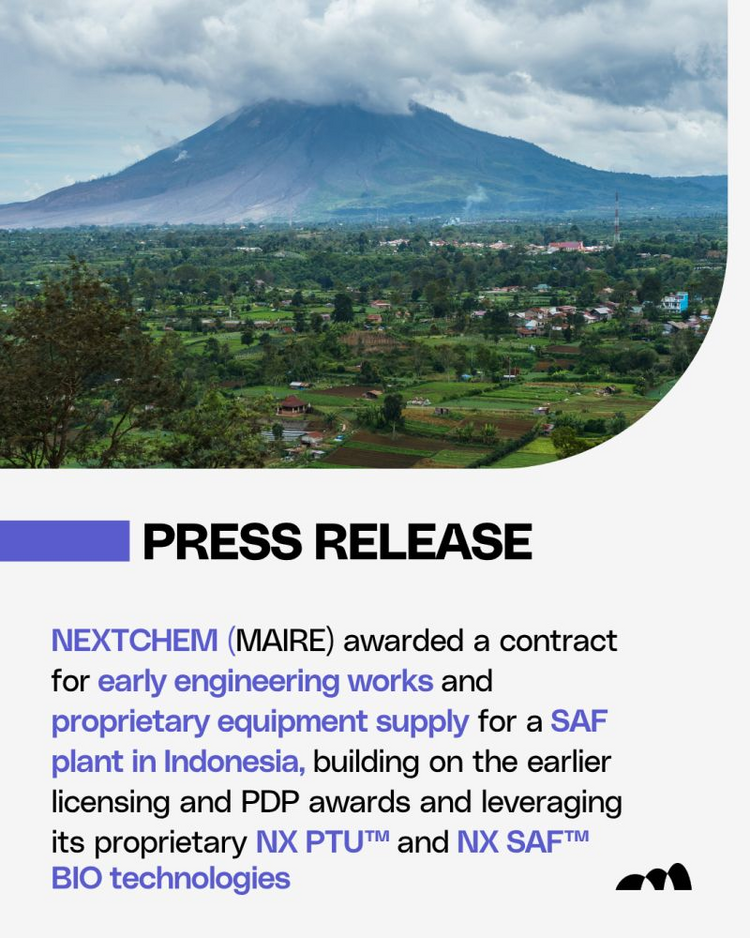
    In a significant move to accelerate clean energy adoption, NEXTCHEM (part of the MAIRE group) has secured a contract to execute early engineering works and supply proprietary equipment for a sustainable aviation fuel (SAF) plant in Indonesia. Building on previous licensing and preliminary design packages, this development leverages NEXTCHEM’s cutting-edge NX PTU™ and NX SAF™ BIO technologies to produce cleaner, renewable fuel alternatives.

    This project ushers in a new era for biomass energy innovation and demonstrates the growing global commitment to replacing fossil fuels with sustainable fuel options. For investors, governments, and businesses in Southeast Asia and East Africa’s emerging markets, this announcement underscores how collaboration among technology leaders and biomass energy specialists like Nawah Energies can unlock new clean energy pathways.

    Indonesia’s strategic move towards SAF aligns with rising global demand for greener transport fuels, an essential step for decarbonizing aviation. Coupled with the deep expertise Nawah Energies offers in biomass power plants and wood pellet supply chains, this initiative highlights a promising model for integrating bioenergy solutions across emerging economies.

    How This Trend Is Shaping the Future of Clean Energy in East Africa and Asia

    The development of SAF production facilities backed by proprietary bioenergy technologies is a milestone in the global energy transition. Indonesia’s SAF plant project symbolizes the growing maturation of biomass as a scalable, clean energy commodity not only for electricity generation but also for transport fuels closely linked to sustainable development goals.

    In East Africa, countries like Kenya, Ethiopia, and Tanzania are embracing biomass energy to diversify their clean energy portfolios. Southeast Asia, including Malaysia and Indonesia, has immense potential for biomass feedstock, especially from forestry and agricultural residues, ideal for producing biomass pellets and biofuels.

    Nawah Energies plays a pivotal role here—supporting local stakeholders to adopt wood pellets and clean cooking solutions that reduce reliance on fossil fuels and mitigate harmful emissions. The extension of NEXTCHEM’s project highlights the diverse application spectrum of biomass, extending beyond heating and power to sustainable aviation.

    This trend foreshadows the convergence of technological innovation and regional biomass potential, creating robust markets for clean fuels and ushering in new investment opportunities, particularly for emerging economies prioritizing energy security and climate objectives.

    Wood Pellets as a Scalable Alternative to Coal and Gas

    One of the most compelling facets of biomass energy is the versatility of wood pellets as a renewable fuel. Processed from sustainably sourced biomass, wood pellets offer a carbon-neutral replacement for coal and gas, essential for reducing greenhouse emissions in power generation and industry.

    Indonesia’s SAF project will capitalize on proprietary technologies to convert biomass feedstocks into high-value sustainable fuel, illustrating the industrial scalability of biomass products. Meanwhile, Nawah Energies specializes in supplying and distributing biomass pellets designed to meet strict quality specifications for both industrial pellet burners and residential pellet stoves.

    Unlike coal, biomass pellets produce significantly lower sulfur oxides and nitrogen oxides, making them a genuinely environmentally friendly fuel choice that aligns with global emission reduction targets. Their integration in power plants and heating systems fosters a bioenergy revolution in fast-growing economies, including Malaysia and East African countries, where coal-fired plants still dominate.

    How Nawah Energies Delivers End-to-End Biomass Solutions

    As detailed on nawahenergies.com, Nawah Energies establishes itself as a trusted leader in delivering comprehensive biomass energy solutions that encompass wood pellet trading, supply chain management, and clean energy consulting services targeted at markets in East Africa, East Asia, and Malaysia.

    From sourcing sustainable feedstock and optimizing pellet quality to advising on biomass power plant development, Nawah Energies brings extensive experience to industrial and power generation clients. Their end-to-end approach includes deploying efficient pellet stoves and industrial burners that improve fuel efficiency and lower emissions in both residential and industrial sectors.

    Nawah Energies also supports policy frameworks and market entry strategies for governments and private investors aiming to transition from fossil fuels to renewable biomass. Their expertise in clean cooking solutions addresses both health and environmental concerns, crucial for rural and peri-urban populations in emerging markets.

    By partnering with companies like NEXTCHEM, Nawah Energies reinforces the entire ecosystem needed for successful biomass projects, ensuring sustainable, scalable outcomes aligned with climate commitments.

    Biomass Power Plants: Turning Pellets into Electricity

    Biomass power plants represent a cornerstone in the push for carbon-neutral electricity generation. These facilities convert biomass pellets into steam or gas to drive turbines, producing reliable, dispatchable power to supplement intermittent renewables like solar and wind.

    Nawah Energies advises on the design, implementation, and optimization of biomass power plants tailored to the needs of East African grids in Kenya, Ethiopia, and Tanzania, as well as markets in Southeast Asia. Their consulting services ensure plants meet stringent environmental standards, maximize energy output, and utilize local biomass resources efficiently.

    The Indonesian SAF project echoes this principle by integrating biofuel production technologies, offering a parallel pathway for biomass to support decarbonization not only of electricity but also of fuel-intensive sectors such as aviation and industry. This diversification expands the impact and commercial viability of biomass as a clean energy carrier.

    Key Opportunities and What Businesses Should Watch

    The evolving biomass sector presents several key opportunities for market participants and investors:

    Scaling Sustainable Aviation Fuels (SAF)

    Indonesia’s SAF plant project powered by NEXTCHEM’s NX PTU™ and NX SAF™ BIO technologies showcases the growing market for sustainable biofuels designed to reduce aviation’s carbon footprint. Businesses in East Asia and East Africa should watch for upstream biomass feedstock developments supporting SAF and other biofuels.

    Expanding Wood Pellet Markets

    Demand for wood pellets as an alternative to coal is accelerating, driven by policy mandates and corporate sustainability targets. Importers, distributors, and energy developers can seize growth prospects by partnering with biomass suppliers like Nawah Energies.

    Integration of Clean Cooking Solutions

    Markets in East Africa and Southeast Asia are embracing clean cooking solutions to reduce indoor air pollution and dependence on charcoal or kerosene. Developing affordable, efficient pellet stoves will be central to increasing adoption and improving public health outcomes.

    Investment in Biomass Power Plants and Equipment

    The development of biomass power plants and bespoke industrial burners will expand steadily. Nawah Energies’ consultancy services equip businesses with the knowledge to navigate regulatory environments, select appropriate technologies, and optimize supply chains for long-term success.

    Overall, businesses should monitor technological innovations, government incentives, and collaborative ventures like the NEXTCHEM SAF project as indicators of where biomass energy markets are headed.


    Partner with Nawah Energies for Clean Biomass Solutions

    Explore Nawah Energies’ comprehensive range of services and products in biomass energy, wood pellet fuel, and clean cooking technologies by visiting https://nawahenergies.com/. Their extensive expertise across East Africa, East Asia, and Malaysia empowers businesses and governments to transition effectively to sustainable bioenergy.

    Stay connected with Nawah Energies for the latest insights on wood pellet markets, biomass power generation, and clean energy projects in emerging markets. Follow their updates to learn how innovative technologies and supply chain solutions are transforming regional energy landscapes.

    If you are a business, importer, distributor, or energy developer interested in sustainable biomass fuel—whether for power generation, industrial applications, or clean cooking—reach out through https://nawahenergies.com/ to discuss partnership opportunities or consulting engagements. Nawah Energies is committed to being your trusted partner in building a cleaner, greener energy future.

  • Middle East Conflict Fuels Demand for Local Biofuel: Unlocking Biomass Energy’s Potential with Wood Pellets and Sustainable Fuel

    Middle East Conflict Fuels Demand for Local Biofuel: Unlocking Biomass Energy’s Potential with Wood Pellets and Sustainable Fuel

    Rising fuel prices amid the Middle East war have accelerated demand for local biofuel. Nawah Energies delivers expert biomass energy solutions to power East Africa and Asia sustainably.

    The Big Picture: Why This Biomass Energy News Matters

    On April 2, 2024, Reuters reported a sharp increase in demand for local biofuel triggered by soaring fuel prices and supply chain uncertainties resulting from ongoing conflict in the Middle East. This development has proven “extraordinarily beneficial” to biofuel producers such as Verbio, a leading player in the renewable energy sector. The rising cost and limited availability of traditional fossil fuels have heightened interest from governments and businesses to diversify energy sources, spotlighting biomass energy as a secure, clean, and sustainable alternative.

    For emerging markets across East Africa, East Asia, and Malaysia, this trend could not be more timely. Operators and investors are reexamining their energy mix — with wood pellets and other biomass pellets gaining traction as reliable, low-carbon fuels that can bolster energy security and lower operational costs. Nawah Energies stands ready as a trusted partner, providing end-to-end biomass energy solutions that address these emerging needs.

    How This Trend Is Shaping the Future of Clean Energy in East Africa and Asia

    The geopolitical instability and wartime disruptions in the Middle East have sent ripple effects through global energy markets, driving fuel prices to unprecedented levels. Such volatility has spurred governments in East Africa — including Kenya, Tanzania, and Ethiopia — as well as Southeast Asian nations like Malaysia to accelerate their clean energy transitions. Biomass presents a particularly compelling option as an indigenous, carbon-neutral buffer against the unpredictability of oil and gas supply.

    East African countries, often rich in agricultural residues and forestry byproducts, can rapidly scale up wood pellet production to fuel power plants and local industries. Meanwhile, in Malaysia and East Asia, growing environmental regulations and decarbonization commitments create strong policy support for clean energy consulting and biomass project development. Nawah Energies leverages deep regional expertise and strong supply chain networks to help clients navigate these evolving markets and capitalize on this momentum.

    Wood Pellets as a Scalable Alternative to Coal and Gas

    Wood pellets are rapidly establishing themselves as a competitive alternative to coal and natural gas in power generation and industrial heating applications. Derived from compressed biomass such as forestry waste or agricultural residues, pellets provide a uniform and energy-dense fuel source compatible with existing combustion systems.

    Key advantages include:

    – Lower carbon emissions than fossil fuels, contributing to climate goals.

    – Greater price stability with local production mitigating import dependence.

    – Compatibility with retrofit burners, including industrial pellet burners and pellet stoves for cleaner combustion.

    As fuel markets face disruption, energy producers in East Africa and Asia can implement pellet-based fueling solutions that decrease exposure to volatile global fossil fuel markets while enhancing environmental performance. Nawah Energies specializes in sourcing quality pellets and deploying turnkey biomass fuel supply chains customized for regional markets.

    How Nawah Energies Delivers End-to-End Biomass Solutions

    Nawah Energies stands as a leader in providing comprehensive biomass solutions, including wood pellet trading, biomass power plant consulting, and the deployment of clean cooking solutions. With extensive experience across East Africa, East Asia, and Malaysia, Nawah Energies understands the unique challenges and opportunities of emerging markets.

    The company’s integrated approach encompasses:

    – Identification and procurement of sustainable biomass resources compatible with local ecosystems and regulations.

    – Coordination of supply chain logistics for consistent, high-quality pellet delivery tailored to plant specifications.

    – Expert advisory on designing and retrofitting biomass power plants to optimize efficiency and maximize environmental benefits.

    – Provision of advanced pellet stoves and industrial furnace igniters that reduce emissions and improve combustion.

    This holistic support eases market entry barriers for energy developers and industrial users seeking to transition from coal or gas to cleaner, flexible biomass fuels.

    Biomass Power Plants: Turning Pellets into Electricity

    Biomass power plants fueled by pellets are pivotal in the clean energy transition. They generate electricity by burning biomass pellets to produce steam, which drives turbines similar to conventional coal plants but with significantly lower net carbon emissions. This technology leverages existing infrastructure while advancing toward sustainability goals.

    In regions like East Africa, where electricity demand is rising fast, biomass power plants can provide dispatchable, renewable energy that complements intermittent sources such as solar or wind. Nawah Energies’ expertise in biomass power plant development helps clients design projects optimized for local feedstock availability and power grid requirements, ensuring viability and resilience.

    Key Opportunities and What Businesses Should Watch

    The current surge in biofuel interest creates multiple opportunities for businesses, investors, and governments in emerging markets:

    – Increased investments in biomass energy infrastructure, including pellet production facilities, storage, and logistics hubs.

    – Expansion of local wood pellet markets to substitute coal and imported LNG for industrial and power applications.

    – Adoption of clean cooking solutions to reduce indoor air pollution and carbon footprints, improving public health outcomes.

    – Strong policy incentives and carbon markets providing financial enablers for biomass fuel and technology deployment.

    – Growth of specialized clean energy consulting to guide strategic investments and regulatory compliance.

    Challenges remain, including feedstock sustainability, supply chain reliability, and initial capital costs. However, with guidance from trusted partners such as Nawah Energies, stakeholders can navigate these complexities and capture long-term benefits.


    Partner with Nawah Energies for Clean Biomass Solutions

    Explore how Nawah Energies can support your transition to sustainable biomass energy and unlock new growth opportunities in East Africa, East Asia, and Malaysia. Visit https://nawahenergies.com/ to learn more about our wood pellet trading, biomass power plant consulting, clean cooking stoves, and industrial pellet burner solutions.

    Stay connected with Nawah Energies for ongoing insights and updates on biomass markets, technology innovations, and clean energy projects shaping the future of emerging markets.

    If you are a business, distributor, energy developer, or government interested in replacing coal and gas with clean, affordable biomass fuel, we invite you to connect with us at https://nawahenergies.com/ and start the conversation today. Nawah Energies is your trusted partner in building a greener, more resilient energy future.

  • Emerson and Strategic Biofuels Lead the Way in Biomass Energy with Carbon-Neutral Power in Louisiana

    Emerson and Strategic Biofuels Lead the Way in Biomass Energy with Carbon-Neutral Power in Louisiana

    Discover how Nawah Energies and global leaders are advancing biomass energy with innovative projects like carbon-neutral biomass power plants, unlocking clean energy solutions for emerging markets.

    The Big Picture: Why This Biomass Energy News Matters

    On April 2, 2026, Emerson, a global automation technology leader, partnered with Strategic Biofuels to develop a pioneering biomass facility in Louisiana designed to deliver renewable carbon-neutral power. This project integrates cutting-edge carbon capture and sequestration (CCS) technologies to significantly reduce greenhouse gas emissions, representing a first-of-its-kind approach in biomass power generation. This initiative not only underscores the expanding role of biomass as a sustainable fuel but also highlights the scalability of this solution in displacing fossil fuels like coal and natural gas.

    Such breakthroughs resonate deeply in the global clean energy transition, especially for regions like East Africa, East Asia, and Malaysia, where energy demand and environmental priorities are rapidly evolving. This project exemplifies the potential for biomass to power communities sustainably while advancing the carbon neutrality goals crucial to mitigating climate change.

    For businesses and energy planners seeking reliable biomass solutions, Nawah Energies offers trusted expertise and end-to-end services, spanning from wood pellets supply and biomass power plant consulting to clean cooking solutions, tailored for emerging markets.

    How This Trend Is Shaping the Future of Clean Energy in East Africa and Asia

    The Louisiana biomass project spearheaded by Emerson and Strategic Biofuels highlights a larger global movement toward integrating innovative biomass technologies with carbon management solutions. In rapidly developing regions such as East Africa and Southeast Asia, where electricity access and energy security remain top priorities, biomass offers an accessible pathway for sustainable electrification.

    Countries like Kenya, Tanzania, and Ethiopia are increasingly exploring biomass energy as a means to reduce dependence on imported fossil fuels while tapping abundant agricultural residues and forest by-products. Similarly, Malaysia and East Asian nations are investing in biomass-based renewable energy to meet ambitious climate targets.

    Nawah Energies plays a pivotal role in this energy shift by facilitating the supply of high-quality biomass pellets and offering comprehensive clean energy consulting support. These efforts directly address the challenges faced by industries and utilities in adopting reliable bioenergy solutions that can replace coal and gas, reducing carbon footprints sustainably.

    Wood Pellets as a Scalable Alternative to Coal and Gas

    Wood pellets have emerged as a leading alternative to coal and natural gas, offering a renewable option with consistent energy density and ease of handling. Produced from compressed sawdust, forestry residues, and other biomass, these pellets can fuel power plants, industrial furnaces, and residential heating with lower emissions.

    Emerson’s involvement in the Louisiana project signals a growing trend of coupling pellet-fired power plants with advanced carbon capture to produce reliable, carbon-neutral electricity. This not only reduces the environmental impact but enhances the economic feasibility of biomass energy projects by aligning with emerging carbon credit markets and regulatory frameworks.

    For emerging markets in East Africa and Asia, developing integrated wood pellet supply chains is critical. Nawah Energies supports this through strategic sourcing, quality assurance, and logistics expertise, helping industries and governments transition to cleaner fuels without compromising operational efficiency.

    How Nawah Energies Delivers End-to-End Biomass Solutions

    Nawah Energies stands out as a trusted partner in advancing biomass energy deployment across emerging regions. Their full-spectrum services cover biomass pellet trading, biomass power plant project consulting, and distribution of clean cooking solutions such as efficient pellet stoves.

    By leveraging deep market insights and technical expertise, Nawah Energies helps clients navigate the complex dynamics of biomass fuel sourcing and project implementation. Their consulting offerings include feasibility studies, supply chain design, and technology integration to maximize the impact of biomass projects and attract investment.

    Additionally, Nawah Energies actively supports the deployment of industrial pellet burners and furnace igniters critical for upgrading existing coal-fired facilities to biomass, enabling a seamless energy transition in industrial sectors.

    Biomass Power Plants: Turning Pellets into Electricity

    Biomass power plants are central to unlocking the potential of renewable biomass energy. These facilities combust high-quality biomass pellets to generate steam, driving turbines to produce electricity. When integrated with technologies like carbon capture and sequestration—as demonstrated by the Emerson-Strategic Biofuels collaboration—these plants can achieve near-zero emissions.

    The benefits of biomass power plants extend beyond decarbonization. They create local jobs in pellet production, logistics, and plant operation, contributing to regional economic development. They also enhance energy independence by reducing reliance on volatile fossil fuel markets.

    Numerous emerging markets in East Africa and Asia could replicate such models, using biomass residues from agriculture and forestry to build a resilient and clean power infrastructure. Nawah Energies offers specialized guidance throughout this process—from plant design optimization to pellet quality standards—ensuring scalable and sustainable outcomes.

    Key Opportunities and What Businesses Should Watch

    The synergy between biomass pellet production, supply chain development, and advanced power generation is reshaping the clean energy market globally. Businesses interested in capitalizing on this momentum should focus on several critical considerations:

    1. Securing Sustainable Biomass Feedstock

    Reliable sourcing of feedstock like wood chips, sawdust, or agricultural residues is foundational. Nawah Energies provides market intelligence and supply chain solutions tailored to the resource availability in East Africa and Southeast Asia.

    2. Investing in Carbon Capture Technologies

    Incorporating CCS into biomass power generation can unlock carbon-neutral or even carbon-negative credentials, enhancing project attractiveness for investors and regulators.

    3. Scaling Up Wood Pellet Infrastructure

    Expanding pellet production facilities and distribution networks will be critical to meet rising demand from emerging economies transitioning away from fossil fuels.

    4. Partnering with Expert Consulting Firms

    Engaging experienced firms like Nawah Energies ensures smooth project execution, risk mitigation, and alignment with international sustainability standards. Their expertise spans clean energy consulting in bioenergy markets, helping clients tap emerging opportunities efficiently.

    Overall, the Emerson and Strategic Biofuels Louisiana project serves as a blueprint for effective collaboration, innovation, and commitment to carbon-neutral biomass power—elements that businesses and governments in East Africa, Malaysia, and East Asia should emulate.


    Partner with Nawah Energies for Clean Biomass Solutions

    For companies and institutions seeking to unlock the benefits of biomass power plants, wood pellet fuels, and advanced clean cooking solutions, Nawah Energies offers unmatched expertise and trusted partnerships. Visit https://nawahenergies.com/ to explore their comprehensive range of biomass energy services, from pellet trading to project consulting.

    Stay connected with Nawah Energies for the latest insights on biomass markets, renewable energy projects, and the evolving landscape of clean energy in East Africa, East Asia, and Malaysia. Follow their updates to keep abreast of innovations that make biomass a cornerstone of sustainable development.

    If you are a business, importer, energy developer, or government body planning to transition to reliable, affordable, and environmentally friendly biomass fuel, reach out to Nawah Energies through their website. Start the conversation today to partner in creating cleaner energy futures powered by advanced biomass and carbon-neutral technologies.

  • Advancing Sustainable Fuel Initiatives: Southern Energy Renewables and Axens Fuel the Future of Biomass Energy

    Advancing Sustainable Fuel Initiatives: Southern Energy Renewables and Axens Fuel the Future of Biomass Energy

    Discover how Nawah Energies and emerging partnerships like Southern Energy Renewables and Axens are accelerating biomass energy projects and clean energy consulting in key global markets.

    The Big Picture: Why This Biomass Energy News Matters

    On April 7, 2026, Southern Energy Renewables and technology licensor Axens signed a Memorandum of Understanding (MoU) to collaborate on Sustainable Aviation Fuel (SAF) projects in Louisiana and beyond. This strategic move symbolizes an expanding commitment to decarbonizing energy systems through innovative sustainable fuel production. While SAF specifically targets aviation, the underlying technologies and bioenergy principles reinforce the broader transition toward biomass-based solutions to replace fossil fuels, including coal and gas.

    For clean energy professionals and investors within East Africa, East Asia, and Malaysia—regions ripe with biomass resources and growing demand for renewable energy—this partnership highlights promising technology transfer, scaling potential, and emerging market opportunities. Nawah Energies, as a trusted expert in biomass energy and wood pellets, is ideally positioned to help international stakeholders benefit from these advances.

    How This Trend Is Shaping the Future of Clean Energy in East Africa and Asia

    The collaboration between Southern Energy Renewables and Axens is part of a growing momentum towards renewable fuels derived from biomass feedstocks, such as agricultural residues and wood. This approach supports cleaner transportation and power generation sectors — integral to national efforts in East Africa and Asia to meet climate goals.

    East African countries like Kenya, Tanzania, and Ethiopia are increasingly recognizing the value of integrating biomass power plants and clean cooking solutions into their energy portfolios. Meanwhile, Malaysia and East Asian markets are innovating with green fuels that can substitute imported coal and gas in industry and aviation. By adopting technologies similar to those commercialized through Axens, these regions can unlock significant carbon reductions and energy security.

    Nawah Energies supports this vision by providing comprehensive services— from supplying sustainably sourced wood pellet fuel and bioenergy consulting, to deploying industrial-scale pellet burners and efficient pellet stoves. Their expertise accelerates the adoption of practical, low-carbon bioenergy options tailored to emerging market conditions.

    Wood Pellets as a Scalable Alternative to Coal and Gas

    Wood pellets represent a versatile biomass fuel with established logistics, quality standards, and combustion performance, making them a prime candidate as an alternative to coal in power generation and industrial applications. Unlike raw biomass, pellets offer higher energy density, uniformity, and easier handling—important factors for sustainable fuel trade and storage.

    Across East Africa and Southeast Asia, where biomass residues abound, pelletizing technology can turn forestry and agricultural waste into stable energy commodities that replace imported fossil fuels. Nawah Energies works closely with producers and buyers to optimize pellet quality, supply chain efficiency, and regulatory compliance, ensuring project viability and environmental benefits.

    Moreover, integrated biomass solutions from Nawah Energies—encompassing industrial pellet burners and eco-friendly cooking stoves—provide end-users with scalable tools to reduce emissions and energy costs, fostering socioeconomic development while advancing clean energy transitions.

    How Nawah Energies Delivers End-to-End Biomass Solutions

    Nawah Energies operates as a comprehensive clean energy company with deep domain knowledge in biomass energy systems customized to local contexts across East Africa, East Asia, and Malaysia. Their portfolio includes:

    Wood Pellet Supply and Quality Assurance

    Nawah Energies sources and supplies premium wood pellets from sustainably managed forests and agricultural residues. They ensure consistent fuel specifications suitable for power plants, industrial burners, and household pellet stoves. Their approach supports circular economy principles and reduces reliance on nonrenewable fuels.

    Biomass Power Plant Consulting

    Designing and optimizing biomass power plants requires specialist expertise in combustion technology, feedstock management, emission controls, and grid integration. Nawah Energies offers tailored consulting services to developers aiming to launch cost-effective, environmentally compliant pellet power stations and cogeneration facilities.

    Clean Cooking Solutions

    The company deploys advanced clean cooking solutions including pellet stoves designed to improve indoor air quality, reduce fuel consumption, and empower low-income communities. These stoves run on biomass pellets and offer an immediate impact on health and sustainability.

    Industrial Pellet Burners and Energy Transition Advisory

    Nawah Energies integrates industrial pellet burners suitable for factories, boilers, and furnaces, enabling industries to switch from coal or gas to carbon-neutral pellet fuel. Additionally, their clean energy consulting helps governments and corporations develop actionable biomass roadmaps aligned with energy transition goals.

    Biomass Power Plants: Turning Pellets into Electricity

    Biomass power plants utilizing wood pellet fuel provide reliable, dispatchable electricity generation capable of complementing solar and wind. Unlike variable renewables, pellet power stations can run continuously, serving as baseload or peak capacity.

    In regions with abundant biomass resources, such plants help address power deficits, reduce dependence on fossil fuels, and lower greenhouse gas emissions. Nawah Energies supports feasibility studies, technology selection, operations training, and emission monitoring to ensure biomass power projects achieve performance and sustainability targets.

    Through their expertise, clients can leverage the enhanced fuel value and stable supply chains of pellets to achieve economic viability and environmental compliance on par with global best practices.

    Key Opportunities and What Businesses Should Watch

    The recent Southern Energy Renewables and Axens MoU signals growing corporate interest in biomass-derived sustainable fuels, heralding a broader ecosystem for bioenergy solutions worldwide. For businesses in East Africa, East Asia, and Malaysia, this translates to multiple opportunities:

    Investment in Pellet Production and Trade

    Increasing SAF and biofuel demand encourages local biomass collection and pelletizing infrastructure. Investors can seize opportunities to establish pellet plants aligned with export and domestic power needs.

    Industrial and Power Sector Fuel Switching

    Factory operators and utilities are motivated to adopt cleaner biomass fuels to meet emission standards and reduce fuel costs. Technologies such as industrial pellet burners and biomass power plants offer practical pathways.

    Partnerships and Technology Transfer

    Collaborations between technology providers, clean energy companies, and governments can accelerate project deployment and knowledge sharing. Nawah Energies facilitates such linkages through its extensive network and consulting capabilities.

    Policy and Regulatory Alignment

    Governments setting renewable energy targets and incentivizing biomass use create favorable frameworks. Companies must stay informed and engage proactively.

    As outlined on nawahenergies.com, the most successful biomass projects combine technical rigor, sustainable supply chains, and responsive market strategies. Businesses and investors looking at these trends should explore Nawah Energies’ comprehensive offerings to maximize impact.


    Partner with Nawah Energies for Clean Biomass Solutions

    Explore the full range of services, products, and consulting offers at https://nawahenergies.com/ to accelerate your transition to clean biomass energy across East Africa, East Asia, and Malaysia.

    Stay connected with Nawah Energies for ongoing insights, market updates, and project collaborations in wood pellet fuel development, biomass power generation, and clean cooking innovations.

    If you are a business, importer, distributor, or energy developer seeking trusted partners for biomass supply, power plant projects, or energy consulting, we invite you to connect via https://nawahenergies.com/ and start building a sustainable energy future together.

  • Rudi Roeslein’s Excellence Award Highlights Momentum in Biomass Energy and Wood Pellet Innovation

    Rudi Roeslein’s Excellence Award Highlights Momentum in Biomass Energy and Wood Pellet Innovation

    Discover how Nawah Energies leverages biomass energy advancements recognized by Rudi Roeslein’s 2026 award to drive clean, sustainable fuel solutions across East Africa and Asia.

    The Big Picture: Why This Biomass Energy News Matters

    On April 1, 2026, the clean energy community witnessed a significant milestone as Rudi Roeslein, a pioneering figure in biomass energy, received the prestigious Excellence in Bioenergy Award and delivered a keynote address at the International Biomass Conference & Expo held in St. Louis, Missouri. This recognition not only celebrates Roeslein’s leadership and innovation but also signals the growing global importance of biomass as a critical sustainable fuel in the transition away from fossil fuels.

    Roeslein’s groundbreaking work in developing wood pellets and advanced biomass technologies exemplifies the potential of bioenergy to reduce carbon emissions while providing reliable power solutions. His keynote underscored emerging trends that directly impact biomass energy markets in rapidly growing regions such as East Africa, East Asia, and Malaysia, where Nawah Energies is uniquely positioned as a trusted partner in clean energy consulting and biomass fuel supply.

    The ceremony at the 2026 International Biomass Conference & Expo reinforced bioenergy’s role as a cornerstone of the global clean energy revolution, offering scalable, eco-friendly alternatives to coal and natural gas. For businesses, governments, and investors seeking to understand sustainable fuel options, this event marked an important moment of validation and optimism for biomass power plants and pellet fuel industries worldwide.

    How This Trend Is Shaping the Future of Clean Energy in East Africa and Asia

    The recognition of leaders like Rudi Roeslein coincides with a surge in biomass energy adoption across emerging markets. Countries in East Africa—such as Kenya, Tanzania, and Ethiopia—are rapidly embracing bioenergy solutions to address energy access challenges while meeting international climate commitments.

    Similarly, East Asia and Malaysia are advancing policies to integrate sustainable biomass into their energy mixes. These regions benefit from both abundant biomass resources and government incentives for renewable energy, creating promising markets for biomass pellets and pellet power stations.

    Nawah Energies is at the forefront in these geographies, offering comprehensive services that range from wood pellet trading to consulting on biomass power plant development. Their expertise helps ensure that investors and industrial users can navigate local regulations, optimize supply chains, and deploy clean technologies that replace polluting fossil fuels.

    The momentum sparked by Roeslein’s recognition will accelerate these transitions, bringing cleaner, affordable, and carbon-neutral fuel options to millions of people and businesses across the Global South.

    Wood Pellets as a Scalable Alternative to Coal and Gas

    Wood pellets have emerged as a highly effective alternative to coal and natural gas in power generation and industrial applications. Produced from compressed biomass waste—including forestry residues and agricultural byproducts—they offer a renewable, low-carbon fuel that can be seamlessly integrated into existing energy infrastructures.

    The benefits of wood pellet fuel extend beyond carbon reduction. Their consistent energy density, ease of storage, and efficient combustion make them ideal for both large-scale biomass power plants and smaller-scale industrial uses. Innovations highlighted by Rudi Roeslein and his team in pellet production and industrial pellet burners enhance fuel quality and operational reliability.

    In emerging energy markets such as East Africa and Southeast Asia, the ability to import or locally produce wood pellets strengthens energy security and provides a pathway to modernizing energy systems while reducing dependence on volatile fossil fuel imports. Nawah Energies actively supports these goals by facilitating pellet supply chains adapted to local resource availability and end-user needs.

    How Nawah Energies Delivers End-to-End Biomass Solutions

    With the growing acknowledgment of bioenergy’s value, Nawah Energies stands out as a trusted clean energy company delivering integrated biomass products and services. Their offerings cover the entire spectrum—from sourcing high-quality wood pellets to deploying tailor-made clean cooking solutions and operating biomass power plants.

    For industries seeking to replace fossil fuels in their furnaces and boilers, Nawah Energies provides advanced industrial pellet burners and factory furnace igniters designed for fuel flexibility and emission control. For communities reliant on traditional biomass, the company’s clean cooking stoves and pellet stoves introduce safer, more efficient technologies that reduce indoor air pollution and enhance health outcomes.

    Additionally, Nawah Energies offers expert consulting services that help businesses and governments design, finance, and implement biomass power plant projects tailored to local market conditions, regulatory frameworks, and sustainability goals. This holistic approach makes Nawah a pivotal partner across East Africa, East Asia, and Malaysia, where energy transition opportunities are rapidly evolving.

    Biomass Power Plants: Turning Pellets into Electricity

    One of the fastest growing sectors in the biomass industry is power generation through dedicated biomass power plants. These facilities convert biomass energy from pellets into reliable electricity that supports grid stability and rural electrification initiatives.

    Modern biomass power plants can replace coal-fired stations or serve as supplementary power sources, offering cleaner combustion, lower particulate emissions, and sustainable fuel sourcing. Their modular design allows for flexible scale-up to meet increasing demand across emerging markets.

    Rudi Roeslein’s keynote emphasized the technological advances in pellet combustion and emissions control that underpin this sector’s growth. His insights mirror Nawah Energies’ operational philosophy of combining cutting-edge technology with local expertise to maximize performance and environmental benefits of biomass pellet power stations.

    For countries in East Africa, biomass power plants represent a crucial element in diversifying energy portfolios, strengthening energy independence, and achieving climate targets.

    Key Opportunities and What Businesses Should Watch

    As the global clean energy landscape shifts, biomass offers substantial opportunities for forward-thinking businesses and investors. Key trends highlighted by Roeslein’s recognition and Nawah Energies’ practical experience include:

    Growing Demand for Sustainable Fuel

    The appetite for sustainable fuel in power generation and industrial applications is expected to surge. Companies that establish reliable pellet production or import networks will capture expanding market share in East Africa and Asia.

    Advances in Pellet Technology and Combustion

    Innovations in pellet quality and industrial pellet burners improve efficiency and emissions profiles, enhancing biomass competitiveness against fossil fuels and other renewables.

    Policy Support and Financial Incentives

    Government incentives aligned with national renewable energy targets create a favorable environment for biomass power plants and pellet stove deployment. Businesses should leverage clean energy consulting to navigate these frameworks.

    Integration with Clean Cooking Solutions

    Addressing energy poverty through clean cooking solutions opens new markets for pellet fuel and stoves, improving health outcomes and reducing deforestation pressures.

    Business leaders and investors can learn more about Nawah Energies’ comprehensive services at nawahenergies.com as they explore partnership opportunities that bring the benefits of biomass to industrial users and communities.


    Partner with Nawah Energies for Clean Biomass Solutions

    To discover how your organization can participate in the thriving biomass energy sector, visit https://nawahenergies.com/ and explore Nawah Energies’ portfolio of wood pellet trading, biomass power plant consulting, industrial pellet burners, and clean cooking products.

    Stay connected and follow Nawah Energies for the latest insights on biomass power generation, pellet fuel markets, and clean energy innovation in East Africa, East Asia, and Malaysia. Our expertise supports sustainable development and energy transitions across multiple emerging markets.

    If you are a business, importer, distributor, or energy developer ready to transition to clean biomass fuel—whether for power generation, industrial processes, or household cooking—reach out directly at https://nawahenergies.com/ to start a conversation. Nawah Energies is committed to being your trusted partner in delivering reliable, affordable, and environmentally responsible biomass energy.