Category: Renewable Energy Trends

  • Make-In-India Biomass-to-SAF Projects: Transforming Sustainable Fuel with Wood Pellets and Biomass Energy

    Make-In-India Biomass-to-SAF Projects: Transforming Sustainable Fuel with Wood Pellets and Biomass Energy

    Varhad Capital’s MoU with Velocys accelerates biomass energy innovation for cost-effective, sustainable fuel projects in India, offering new opportunities for Nawah Energies and clean energy markets worldwide.

    The Big Picture: Why This Biomass Energy News Matters

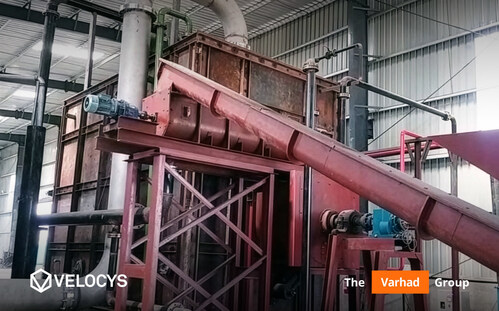
    On April 6, 2026, Varhad Capital Pvt Ltd signed a landmark Memorandum of Understanding (MoU) with Velocys, a renowned sustainable fuel technology provider, to develop Make-In-India biomass-to-sustainable aviation fuel (SAF) projects. This collaboration aims to produce cost-competitive renewable fuels using biomass feedstocks, positioning India at the forefront of bioenergy innovation and reducing carbon emissions in aviation, a traditionally hard-to-abate sector.

    This development signals a significant step forward in the emerging global clean energy landscape, particularly for bioenergy solutions relying on biomass energy and wood pellets. With India targeting energy security alongside environmental goals, such projects provide scalable pathways for renewable fuel production that are relevant to other fast-developing markets including East Africa, East Asia, and Malaysia.

    As Nawah Energies continues to expand its leadership in bioenergy solutions, this news reaffirms the global momentum toward clean, affordable, and renewable fuels that replace fossil-based alternatives.

    How This Trend Is Shaping the Future of Clean Energy in East Africa and Asia

    The India partnership between Varhad Capital and Velocys highlights an accelerating global shift toward renewable biofuels beyond liquid biofuels derived from food crops. Their focus on biomass-to-SAF demonstrates an evolution from conventional biomass energy and wood pellet fuel applications toward high-performance sustainable aviation fuels, aligning with international aviation decarbonization targets.

    Emerging markets in East Africa, East Asia, and Malaysia stand to benefit greatly from this trend. These regions possess abundant biomass resources such as agricultural residues, forest waste, and dedicated energy crops that can be converted into sustainable fuel and bio-based electricity. Nawah Energies has deep expertise in navigating these biomass supply chains and developing integrated biomass power projects that enable countries to lower their carbon footprints while enhancing energy security.

    Moreover, the technology and investment frameworks pioneered through such India-based projects can be adapted to foster regional bioenergy growth. This translates into new opportunities for clean energy consulting, biomass feedstock sourcing, and deployment of industrial pellet burners and pellet stoves that serve power generation, manufacturing, and clean cooking needs.

    Wood Pellets as a Scalable Alternative to Coal and Gas

    The production of sustainable aviation fuel depends crucially on reliable and affordable biomass feedstocks, particularly in the form of densified wood pellets. Wood pellets offer a carbon-neutral fuel solution that can be stored, transported, and fed into existing biomass power plants or converted into biofuels with high efficiency.

    Replacing coal and gas in power generation and industrial processes with biomass pellets reduces greenhouse gas emissions significantly. This is vital in countries like India, which still rely heavily on coal-fired power but seek cleaner alternatives to meet emission reduction commitments.

    Nawah Energies specializes in the supply and trade of premium quality biomass pellets sourced from sustainably managed forests and agricultural residues. Their expertise extends to ensuring that alternative to coal fuels meet the rigorous standards required for industrial burners, power stations, and pellet stoves — helping clients transition seamlessly to cleaner fuels.

    How Nawah Energies Delivers End-to-End Biomass Solutions

    Nawah Energies is a trusted leader in delivering integrated biomass energy projects across East Africa, East Asia, and Malaysia. The company offers a comprehensive portfolio that encompasses biomass sourcing, logistics, trading, and deployment of biomass power plant solutions as well as clean cooking solutions.

    Their work also includes the supply and integration of industrial pellet burners and advanced biomass combustion systems tailored to replace coal- and gas-fired equipment in factories and power plants. Nawah Energies’ consulting services guide stakeholders through the complexities of the clean energy consulting process including project feasibility, regulatory compliance, and sustainable supply chain development.

    By leveraging decades of experience in biomass markets and technology, Nawah Energies ensures the effective transformation of agrarian and forest residues into commercially viable, carbon-neutral fuels that support energy security and environmental sustainability.

    Biomass Power Plants: Turning Pellets into Electricity

    Biomass power plants play an essential role in converting renewable biomass feedstocks, such as wood pellets, into reliable electricity. These plants operate by combusting densified biomass fuels within industrial pellet burners or furnaces to produce steam for turbines or direct thermal energy for industrial processes.

    Unlike intermittent renewables like solar or wind, biomass power plants provide dispatchable, 24/7 clean power, making them an ideal complement in energy grids of emerging markets. Biomass power generation offers multiple benefits:

    Renewable and Carbon-Neutral Fuel Source

    Wood pellets and other biomass fuels release only the carbon dioxide recently absorbed by plants during growth, making them carbon-neutral over their lifecycle. This helps reduce the overall carbon emissions of the electric grid.

    Waste Valorization and Rural Development

    Utilizing agricultural residues and forest waste empowers rural economies by creating new income streams and job opportunities around pellet production and biomass collection.

    Reduced Air Pollution Compared to Coal

    Modern biomass combustion systems from companies like Nawah Energies feature advanced emissions control technologies that minimize particulates and NOx, improving air quality relative to coal plants.

    For businesses and governments in East Africa and Asia seeking to enhance grid stability and decarbonize power production, investing in biomass power plants is a compelling strategy. Nawah Energies supports the entire project lifecycle from design, fuel supply, equipment integration, to operations.

    Key Opportunities and What Businesses Should Watch

    The Varhad Capital-Velocys MoU emphasizes the rising importance of Make-In-India biomass initiatives, focusing on producing low-cost, low-carbon fuels to replace fossil-based sources. This aligns with broader regional goals in Africa and Southeast Asia to reduce reliance on coal and gas through renewable biomass alternatives.

    Businesses and investors should monitor several critical trends:

    Scaling Biomass Feedstock Supply Chains

    Robust and sustainable sourcing of biomass residues is foundational. Nawah Energies’ deep expertise in connecting suppliers across East Africa, East Asia, and Malaysia ensures resilient supply chains vital for large-scale projects.

    Technological Advances in Biofuel Production

    Innovations in biomass gasification, Fischer-Tropsch synthesis, and pellet production improve efficiency and cost-competitiveness of sustainable fuel manufacturing. Companies must engage with proven tech partners to unlock these gains.

    Regulatory and Policy Support

    Government incentives, carbon credits, and renewable fuel mandates will increasingly drive biomass project viability. Stakeholders should collaborate closely with policymakers to maximize benefits.

    Expanding Market Demand for Bioenergy

    Growing regional energy needs, environmental targets, and shifting investor focus toward renewables create a favorable market for biomass energy developments. Nawah Energies actively supports clients in navigating these evolving markets.

    These dynamics position biomass and clean energy as central to the future energy portfolio across emerging economies.


    Partner with Nawah Energies for Clean Biomass Solutions

    Visit https://nawahenergies.com/ to explore Nawah Energies’ full range of services, products, and expert consulting offers designed to unlock the potential of biomass energy and wood pellet markets in East Africa, East Asia, and Malaysia.

    Stay connected and follow Nawah Energies for timely updates on wood pellet markets, biomass power generation trends, and innovative clean energy projects transforming emerging markets worldwide.

    If you are a business, importer, distributor, or energy developer aiming to transition away from coal and gas toward clean biomass fuels — be it for power plants, industrial applications, or clean cooking — we invite you to reach out via https://nawahenergies.com/ and start a trusted partnership. Nawah Energies is committed to making sustainable, affordable biomass energy accessible across emerging markets for a cleaner, greener future.
  • Optimus and Sunoil Biodiesel Pave the Way for Sustainable Fuel with B100 in Heavy-Duty Fleets

    Optimus and Sunoil Biodiesel Pave the Way for Sustainable Fuel with B100 in Heavy-Duty Fleets

    Discover how Nawah Energies positions clean energy and biomass energy as vital solutions for emerging markets embracing sustainable fuel like B100 biodiesel.

    The Big Picture: Why This Biomass Energy News Matters

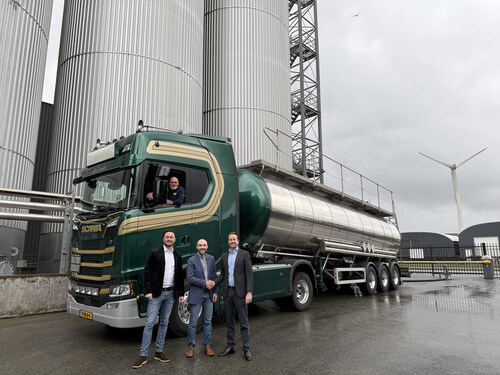
    On April 7, 2026, a notable partnership was announced between Optimus Technologies, Inc. and Sunoil Biodiesel B.V., focusing on the expansion of B100 biodiesel usage in heavy-duty fleets across The Netherlands. This development marks a significant milestone in adopting renewable, low-carbon fuels to mitigate the environmental impact of freight and logistics sectors traditionally reliant on fossil fuels.

    B100—100% pure biodiesel—represents a sustainable fuel alternative, blending seamlessly into existing diesel infrastructure while offering substantial benefits such as carbon neutrality and biodegradability. The collaboration underscores a growing trend of integrating bioenergy solutions, including biodiesel and wood pellets, as pivotal components of clean energy transitions worldwide.

    This news serves as a bellwether for industries and governments assessing how to reduce carbon emissions while sustaining heavy-duty transport operations, indicating increased market confidence in bio-based fuels and technologies.

    How This Trend Is Shaping the Future of Clean Energy in East Africa and Asia

    Although the initial announcement centers on The Netherlands, its implications resonate strongly with emerging markets in East Africa, East Asia, and Malaysia—regions actively seeking to diversify their energy portfolios. The successful introduction of B100 for heavy-duty fleets aligns with local priorities to embrace clean energy consulting and develop scalable, reliable biomass solutions.

    Countries such as Kenya, Tanzania, Ethiopia, Malaysia, and parts of Southeast Asia are navigating energy transitions complicated by fluctuating fossil fuel markets and rising demand for sustainable alternatives. Integrating biodiesel with other biomass-derived fuels like biomass pellets offers diversified pathways to reduce reliance on coal and natural gas. These shifts contribute directly to achieving climate targets under the Paris Agreement and national renewable energy commitments.

    Nawah Energies actively supports stakeholders in these regions by providing clean energy consulting and supply chain expertise tailored to biomass fuels such as wood pellets and biodiesel. This expertise enables fleets and industries to adopt sustainable fuels like B100 effectively, backed by strong operational and environmental performance data.

    Wood pellets as a Scalable Alternative to Coal and Gas

    While B100 biodiesel targets the transport sector, wood pellets remain a cornerstone of biomass energy solutions for power generation and industrial heat applications. Their role as an alternative to coal is underscored by growing regulatory pressures against coal-fired plants, particularly in emerging markets.

    Wood pellet fuel offers multiple advantages: it can be produced sustainably from forestry residues, agricultural waste, and dedicated energy crops; it delivers high combustion efficiency with low emissions; and it integrates well into existing power plant infrastructure through retrofitting. These qualities make it a preferred choice for regions aiming to decarbonize electricity generation and reduce air pollution.

    Investors and policymakers in East Africa and Asia increasingly recognize that expanding the pellet trade—especially sourcing sustainably from regional biomass surplus—can support energy security and rural economic development simultaneously. Nawah Energies facilitates these opportunities by offering end-to-end services, from raw material sourcing to biomass power plant development and operational consulting, catalyzing local value chains aligned with green growth objectives.

    How Nawah Energies Delivers End-to-End Biomass Solutions

    Nawah Energies stands out as a trusted partner for businesses, governments, and investors eager to unlock the vast potential of biomass fuel markets. Through a comprehensive portfolio that spans trading high-quality wood pellets, deploying advanced pellet stoves and clean cooking solutions, to advising on efficient industrial operations using industrial pellet burners, Nawah Energies bridges critical gaps between technology, supply chains, and market entry.

    The company’s services are tailored explicitly for the dynamic contexts of East Africa, East Asia, and Malaysia, where infrastructure development, financing, and technical capacity present unique challenges. Nawah Energies’ expertise accelerates the uptake of sustainable fuel solutions such as B100 biodiesel partnerships like that of Optimus and Sunoil, reinforcing the clean energy ecosystem as a whole.

    By focusing on quality assurance, sustainability certifications, and regulatory compliance, Nawah Energies helps clients mitigate risks while maximizing long-term returns. This approach aligns seamlessly with the global movement towards low-carbon energy portfolios, potentially unlocking new channels for biomass energy investment and trade.

    Biomass power plants: Turning Pellets into Electricity

    At the heart of biomass energy adoption lies the biomass power plant, facilities designed to convert renewable fuel sources like wood pellets and biodiesel into reliable electricity. These power stations play a vital role in supporting grid stability and meeting industrial energy demand with a significantly reduced carbon footprint.

    Modern plants incorporate high-efficiency combustion systems, advanced emissions controls, and flexible fuel handling capabilities to accommodate different biomass fuels. By cooperating with experienced developers like Nawah Energies, new and retrofit projects benefit from optimized design, cost-effective implementation, and streamlined integration into existing power infrastructure.

    This ongoing evolution positions biomass power plants as competitive alternatives to fossil fuel-fired stations, accelerating the transition away from coal and natural gas in fast-growing economies of East Africa, Malaysia, and East Asia. Nawah Energies’ consulting services support these developments by addressing permitting, supply logistics, and technical training needs.

    Key Opportunities and What Businesses Should Watch

    The announcement of Optimus and Sunoil’s B100 collaboration in The Netherlands shines a spotlight on the broader opportunities within renewable transport fuels and biomass energy sectors. As emerging economies prioritize sustainable development, there are five key areas where businesses should focus their attention:

    1. Integrated Fuel Supply Chains

    Developing robust supply chains for biodiesel and biomass pellets is critical to ensure consistent quality and availability. Nawah Energies’ trading expertise provides vital support in sourcing, certification, and distribution, reducing barriers for new market entrants.

    2. Regulatory and Financial Incentives

    Countries in East Africa and Asia are rolling out incentives such as feed-in tariffs, carbon credits, and subsidies that make clean fuel adoption financially attractive. Staying informed and partnering with advisors experienced in policy navigation—like Nawah Energies—can maximize project viability.

    3. Technology Adaptation and Innovation

    Investing in advanced industrial pellet burners, optimized biodiesel engines, and efficient pellet stoves will enhance overall energy conversion efficiency and reduce operating costs for customers and investors alike.

    4. Market Education and Capacity Building

    Building technical skills, operational knowledge, and community awareness through training programs unlocks market penetration potential. Nawah Energies supports clients through capacity-building initiatives aligned with local contexts.

    5. Environmental and Social Impact Commitment

    Demonstrating credible sustainability credentials—from feedstock origin to end-use emissions—boosts the reputation and acceptability of biomass projects. This creates leverage in accessing international funding and partnerships.

    For forward-looking businesses, blending these strategies with hands-on collaboration with recognized partners such as Nawah Energies can drive successful and profitable biomass energy deployments.


    Partner with Nawah Energies for Clean Biomass Solutions

    Explore Nawah Energies’ comprehensive array of services and products at https://nawahenergies.com/, your gateway to expert solutions in biomass energy, wood pellets, and renewable fuel technologies.

    Stay connected with Nawah Energies for ongoing updates and insights on the evolving wood pellet markets, biomass power plant innovations, and clean cooking solutions across East Africa, East Asia, and Malaysia.

    If you are a business, importer, distributor, or energy developer seeking reliable partners for clean biomass fuel supply, power generation projects, or consulting engagements, we invite you to connect via https://nawahenergies.com/ and start the conversation. Nawah Energies is committed to collaborating with you to make affordable, sustainable biomass energy accessible and actionable across emerging markets.

  • Allied Biofuels Uzbekistan Secures Presidential Decree: A Major Boost for Sustainable Fuel and Biomass Energy

    Allied Biofuels Uzbekistan Secures Presidential Decree: A Major Boost for Sustainable Fuel and Biomass Energy

    Discover how Allied Biofuels Uzbekistan’s presidential decree propels sustainable fuel projects forward, highlighting Nawah Energies’ role in advancing biomass energy solutions across emerging markets.

    The Big Picture: Why This Biomass Energy News Matters

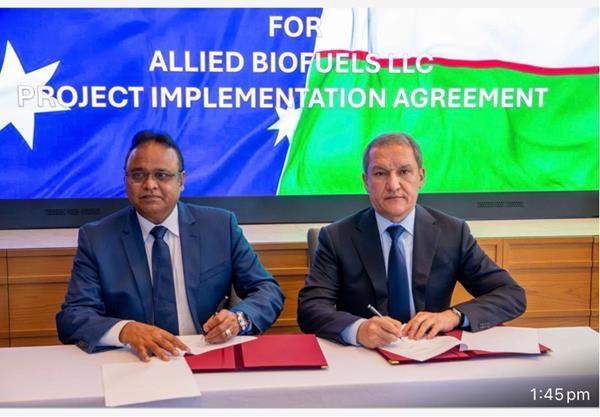
    In April 2026, Allied Biofuels FE LLC, in partnership with the Khorezm Region of Uzbekistan, secured a landmark presidential decree supporting a sustainable aviation fuels initiative. This milestone marks a significant development in the region’s commitment to renewable energy and sustainable biomass energy strategies. As countries and industries worldwide seek low-carbon alternatives to fossil fuels, Uzbekistan’s supportive governmental incentives shine a spotlight on the immense potential of biomass-based sustainable fuel projects.

    This decree not only prioritizes local development but also aligns with global trends toward decarbonization and the circular economy in energy production. The significance of this policy extends beyond national borders, offering a blueprint for emerging markets in East Africa, East Asia, and Southeast Asia — regions where Nawah Energies actively facilitates clean energy transitions through bioenergy solutions and comprehensive biomass infrastructure.

    The official backing underscores Uzbekistan’s recognition of biomass as a critical part of its energy mix while cementing the role of sustainable fuel technologies in the aviation and industrial sectors. By solidifying the framework for investment and project implementation, this decree comes at a pivotal moment for biomass power initiatives worldwide, including innovations in biomass power plants fueled by advanced wood pellets and other renewable biomass resources.

    How This Trend Is Shaping the Future of Clean Energy in East Africa and Asia

    Uzbekistan’s move to secure incentives for sustainable aviation fuels is symptomatic of a larger shift taking place across emerging markets in East Africa, East Asia, and Malaysia. These regions face growing energy demands, environmental challenges, and international climate commitments — a combination that makes biomass and clean energy consulting indispensable.

    Nawah Energies has observed increasing government and private sector interest in replacing traditional fossil fuels with biomass-derived alternatives. This includes the growing adoption of wood pellets and biomass pellets as reliable, affordable sources of carbon-neutral fuel. The recent developments in Uzbekistan, including presidential support and fiscal incentives, mirror encouraging signs seen in Kenya, Tanzania, and Malaysia, where policies have started to embrace bioenergy at both utility and industrial scales.

    Moreover, advancements in sustainable aviation fuel production demonstrate biomass’s multifaceted applications beyond electricity generation. These opportunities are essential for governments and businesses looking to meet decarbonization targets while fostering local economic growth via biomass supply chains, pellet manufacturing, and clean technology deployment.

    Regional Implications for Biomass Power and Sustainable Fuels

    East Africa and Southeast Asia are poised to leverage renewable biomass as a means to tackle pressing energy security issues. Biomass-based projects are uniquely positioned as a scalable, alternative to coal and gas, reducing reliance on imported fossil fuels and mitigating environmental pollution.

    Nawah Energies continues to support these regions by offering tailored consulting and technology solutions designed to maximize biomass fuel value chains, from forestry residues and agricultural waste to pellet production and clean cooking stoves. This holistic approach encourages responsible resource management and sustainable development in line with international climate commitments.

    Wood Pellets as a Scalable Alternative to Coal and Gas

    One of the critical facets of biomass energy growth is the increased production and trade of wood pellets. These compact fuels are gaining traction due to their high energy density, ease of transport, and compatibility with existing coal-fired power plants and industrial burners after retrofitting.

    Nawah Energies emphasizes how biomass pellets offer a pragmatic pathway for emerging markets to reduce greenhouse gas emissions economically. In regions like Malaysia and East Africa, wood pellet fuel supplies are expanding rapidly, supported by robust forestry and agricultural industries capable of sustainable raw material sourcing.

    By switching from coal to biomass pellets, power plants can significantly cut carbon emissions and local pollutants while maintaining electricity output. This is particularly relevant for nations striving to balance rapid industrialization with environmental stewardship.

    In Uzbekistan’s case, the presidential decree incentivizes investments not only in sustainable aviation fuels but also potentially opens the door for integrated biomass pellet production and power generation systems. Projects that combine sustainable forestry management with pellet exports and regional biomass energy deployment stand to benefit financially and environmentally.

    The Role of Biomass Energy in Industry and Aviation

    Biomass pellets also have essential industrial uses beyond power generation. Facilities using industrial pellet burners — including factories, boilers, and kiln furnaces — can reduce fossil fuel dependency significantly. Meanwhile, sustainable aviation fuel initiatives demonstrate biomass’s potential to decarbonize sectors previously difficult to electrify.

    The success of Allied Biofuels Uzbekistan’s project symbolizes this transition. By participating in the sustainable fuel value chain, this initiative moves Uzbekistan closer to meeting its carbon reduction goals while positioning the region as a bioenergy innovator.

    How Nawah Energies Delivers End-to-End Biomass Solutions

    Nawah Energies stands at the forefront of providing comprehensive biomass energy solutions that empower businesses and governments across East Africa, East Asia, and Malaysia. Our expertise spans from wood pellet supply and trading, to designing biomass power plants, and deploying clean cooking solutions aimed at reducing health risks and deforestation.

    Our consulting services guide clients through complex energy transitions — from procurement and logistics to regulatory compliance and technology integration. Nawah Energies helps industrial clients replace coal and natural gas with modern biomass pellets, optimizing biomass power plant performance and emissions control.

    Additionally, Nawah Energies offers innovative pellet stoves and burners tailored for emerging market households and industries, enhancing efficiency and pollutant reduction while promoting sustainable fuel use.

    Delivering Sustainable and Profitable Bioenergy Projects

    Our team leverages extensive regional market knowledge and global biomass expertise to develop business models that align environmental benefits with financial returns. This includes identifying local feedstock sources, facilitating supply chain logistics, and advising on government incentives similar to Uzbekistan’s recent decree.

    By fostering partnerships between agriculture, forestry, and energy sectors, Nawah Energies promotes circular economy principles, which are essential to scalable and resilient biomass markets. Through this approach, clients receive actionable expertise to capitalize on the clean energy transition in emerging economies.

    Biomass Power Plants: Turning Pellets into Electricity

    Biomass power plants are central to realizing the potential of bioenergy to displace carbon-intensive fuels. Using wood pellets as feedstock, these facilities generate renewable baseload electricity by combusting compacted biomass residues efficiently and cleanly.

    Among Nawah Energies’ key offerings is the consultancy on biomass power plant design and operation, ensuring optimal fuel combustion, ash management, and emissions control. This expertise supports power developers in East Africa and Asia, where electrification needs and grid stability depend increasingly on renewable sources.

    Compared to coal or gas-fired plants, biomass pellets reduce sulfur oxide, nitrogen oxide, and particulate emissions, enhancing air quality and meeting international environmental standards. Furthermore, biomass power plants can often integrate with industrial processes, generating both electricity and process heat, thus increasing efficiency and economic viability.

    Challenges and Solutions in Biomass Power Integration

    Transitioning to biomass power generation involves challenges: feedstock supply consistency, retrofitting costs, and technology adaptation. Nawah Energies mitigates these through holistic project management, from raw material sourcing to workforce training and technology selection.

    By highlighting best practices and leveraging regional resources, Nawah Energies enables clients to achieve sustainable biomass energy production that supports national energy goals as exemplified by countries undertaking similar initiatives.

    Key Opportunities and What Businesses Should Watch

    The Uzbek decree for Allied Biofuels underscores several opportunities for investors, developers, and energy users interested in biomass and sustainable aviation fuels:

    1. Governmental Support Is Increasing

    Countries are crafting favorable policies, tax benefits, and infrastructure support for biomass projects. Nawah Energies monitors these to help clients dynamically respond to incentives in their target markets.

    2. Growing Demand for Low-Carbon Fuels

    Industries such as aviation, manufacturing, and power generation seek cleaner alternatives amid tightening emissions regulations. Biomass pellets and sustainable fuels can fulfill this demand affordably.

    3. Regional Trade and Supply Chain Expansion

    As pellet production capacities rise, so do cross-border trade opportunities, especially in East Africa and Southeast Asia. Companies that secure reliable biomass pellet supplies position themselves as leaders in energy transition markets.

    4. Integrated Bioenergy Value Chains

    Cooperative ventures integrating feedstock production, pellet manufacturing, fuel logistics, and power generation increase project resilience and profitability.

    Businesses intending to capitalize on these trends will benefit from early engagement with trusted bioenergy experts like Nawah Energies. The firm’s deep regional knowledge and technical prowess align perfectly with market demands for dependable, efficient, and clean biomass solutions.


    Partner with Nawah Energies for Clean Biomass Solutions

    Explore how Nawah Energies can support your clean energy projects and biomass fuel sourcing by visiting https://nawahenergies.com/. Discover the full range of our services, products, and consulting expertise tailored for emerging markets across East Africa, East Asia, and Malaysia.

    Stay connected with Nawah Energies for the latest insights on wood pellet markets, biomass power generation, and sustainable fuel initiatives. Follow our updates to learn about new projects and innovations driving the global clean energy transition.

    Whether you are a business, importer, distributor, energy developer, or government agency planning to transition from coal or gas to renewable biomass — for power generation, industrial uses, or clean cooking — we invite you to connect with us directly at https://nawahenergies.com/. Let’s build a cleaner, greener energy future together.

  • Biofuel Swaps and Biomass Energy: Driving Immediate CO₂e Cuts with Sustainable Fuel Innovations

    Biofuel Swaps and Biomass Energy: Driving Immediate CO₂e Cuts with Sustainable Fuel Innovations

    Discover how FincoEnergies and Scan Global Logistics’ biofuel swap initiative exemplifies biomass energy’s role in reducing road transport emissions. Nawah Energies leads in sustainable fuel solutions across East Africa and Asia.

    The Big Picture: Why This Biomass Energy News Matters

    On April 13, 2026, a significant partnership formed between FincoEnergies and Scan Global Logistics, as announced on Biofuels Central. Together, they launched a pioneering biofuel swap program designed to enable immediate and verifiable reductions in CO₂e emissions from road transport. This collaboration is a crucial step forward in demonstrating real-world applications of biomass energy as a credible, sustainable fuel alternative to fossil fuels, especially in logistics and heavy transportation sectors.

    The initiative highlights the growing demand for transparent and effective carbon reduction in transport. By swapping traditional fossil-based diesel with cleaner biofuels, companies are reducing their environmental footprints significantly and immediately. This concept fits directly into broader global clean energy strategies targeting net-zero emissions, particularly in rapidly developing markets where conventional fuels remain dominant.

    For Nawah Energies, which specializes in providing end-to-end biomass solutions—including wood pellets, consulting services for biomass power plants, and clean cooking solutions—this partnership illustrates the practical applications of sustainable fuel in logistics and energy-intensive industries. It validates the role of biomass-derived fuels in decarbonizing transportation and industrial sectors across emerging and established markets.

    How This Trend Is Shaping the Future of Clean Energy in East Africa and Asia

    The FincoEnergies and Scan Global Logistics collaboration is more than just a bilateral partnership; it symbolizes a broader trend toward integrating biofuels within the supply chains of emerging clean energy markets. Regions such as East Africa, East Asia, and Malaysia are witnessing accelerating energy transition efforts, where clean energy consulting and biomass technology play central roles.

    East Africa is uniquely positioned to leverage its abundant biomass resources—from agricultural residues to forestry byproducts—to produce sustainable fuels and substitute traditional coal and gas. Countries like Kenya, Tanzania, and Ethiopia are increasingly investing in biomass power generation and clean cooking technologies to meet growing energy demand without exacerbating environmental impact. The biofuel swap model aligns closely with these national priorities by introducing scalable, immediately impactful clean fuel consumption methods.

    Similarly, East Asia and Malaysia are advancing clean energy policies driven by stringent emission regulations and the need for energy diversification. Biofuels, especially liquid and solid biomass fuels like biomass pellets and sustainable liquid biofuels, are integral to these strategies. The biofuel swap initiative reflects a versatile approach to replace diesel and fossil fuels rapidly while maintaining logistics efficiency.

    Driving Demand for Sustainable Fuel Alternatives

    By demonstrating immediate, verifiable reductions in CO₂e through a transparent swap mechanism, FincoEnergies and Scan Global Logistics provide a blueprint that can be scaled across regions with similar environmental goals. The approach creates demand and market confidence in biomass-derived fuels as practical substitutes. This encourages policymakers, investors, and businesses in regions like East Africa and Southeast Asia to rethink their fuel procurement strategies and embrace biomass alternatives.

    Wood Pellets as a Scalable Alternative to Coal and Gas

    Among the most effective biomass fuels, wood pellets stand out as a scalable, efficient, and transportable solution for power generation and industrial use. The biofuel swap concept primarily focuses on liquid biofuels, but wood pellets represent the cornerstone of biomass energy strategies addressing larger-scale power generation and industrial furnace fueling needs.

    Wood pellets offer several advantages as a carbon-neutral or low-carbon fuel. They can be produced sustainably from forestry residues and waste, have high energy density, and easily integrate into existing coal-to-biomass retrofit projects. For regions like East Africa and Malaysia, leveraging wood pellet fuels can help industries and utilities transition away from coal and fossil gas, a critical step in achieving environmental targets.

    Nawah Energies, with its comprehensive approach to sourcing, supplying, and deploying wood pellet fuel, helps unlock these opportunities. Their expertise covers the entire value chain—from pellet production technology and quality assurance to logistics and final-user installations such as industrial pellet burners and pellet power stations.

    This widespread adoption of wood pellets as an alternative to coal is essential to transitioning power plants and industries in emerging markets where coal use remains entrenched. The ready availability of reliable biomass supplies and technical know-how significantly reduces transition risks and investment barriers.

    How Nawah Energies Delivers End-to-End Biomass Solutions

    Nawah Energies distinguishes itself as a trusted partner offering integrated biomass energy solutions tailored specifically for emerging markets. Their portfolio includes:

    • Comprehensive wood pellet trading and supply services, ensuring consistent quality and reliable delivery across East Africa, East Asia, and Malaysia.
    • Consulting for biomass power plants and pellet power stations, helping clients navigate technology selection, project development, and financing.
    • Deployment of clean cooking solutions including pellet stoves, promoting health benefits and reduced fossil fuel dependency in residential and small commercial applications.
    • Provision of industrial pellet burners and furnace igniters, essential for transitioning manufacturing and processing plants to biomass fuels efficiently.
    • Expertise in clean energy consulting, advising governments, investors, and companies on regulatory frameworks, sustainability strategies, and market optimization for biomass and bioenergy.

    With a deep understanding of supply chains and market dynamics in emerging economies, Nawah Energies enables businesses and communities to adopt decarbonization solutions smoothly and cost-effectively. This makes them a go-to partner for those looking to replace coal and gas with sustainable and environmentally friendly biomass fuels.

    Biomass Power Plants: Turning Pellets into Electricity

    Electricity from biomass offers a practical route for many emerging markets to increase renewable share in energy grids while enhancing energy security. Biomass power plants utilize pelleted biomass as fuel to generate heat and power, serving industrial, commercial, and municipal needs.

    The flexibility of wood pellet fuel and other biomass pellets allows easy integration with existing coal-fired units through co-firing or full conversion, minimizing capital costs and downtime. Biomass power plants contribute to decentralized power generation, complementing solar and wind power by providing dispatchable baseload capacity.

    Nawah Energies supports biomass power plant projects from initial feasibility to procurement of pellet fuel and equipment, ensuring optimized plant design and fuel sourcing. Their expertise is critical in East Africa and Southeast Asia, where grid modernization is underway and biomass offers a scalable renewable source.

    Benefits Beyond Emission Reduction

    Biomass power stations also support local economies by sourcing pellets from sustainable forestry and agriculture residues, creating jobs and rural development opportunities. They establish cleaner, more resilient energy systems vital for sustainable growth in developing regions.

    Key Opportunities and What Businesses Should Watch

    The FincoEnergies and Scan Global Logistics partnership exemplifies immediate CO₂e reduction potential through fuel swaps, a promising trend to watch. For business leaders, investors, and policymakers engaged with biomass energy, the following opportunities deserve attention:

    1. Immediate Emission Mitigation

    Liquid biofuel swaps in logistics offer quick wins for companies aiming to decarbonize transport without waiting for electrification or fuel cell solutions. This approach can integrate with biomass power projects and pellet fuel supply chains for a comprehensive energy transition strategy.

    2. Expanding Pellet Supply Chains

    Increased demand for sustainable fuel in transport can stimulate growth in pellet production and trade, creating synergies with power generation and industrial biomass applications. Businesses can explore partnerships in feedstock sourcing, pellet manufacturing, and logistics.

    3. Policy and Regulatory Alignment

    Emerging market governments are adopting incentives, carbon pricing, and mandates supporting bioenergy and sustainable fuels. Companies that align strategies early with such frameworks will gain competitive advantages in compliance and market access.

    4. Cross-Sector Integration

    Combining bioenergy solutions across transportation, power, and industrial sectors allows optimization of biomass resources, carbon reporting, and sustainability impact, enabling holistic clean energy portfolios.

    5. Leveraging Trusted Expertise

    Working with specialized firms like Nawah Energies provides access to local market knowledge, proven technologies, and comprehensive project support, accelerating biomass adoption and minimizing risks associated with emerging energy technologies.

    As markets evolve, continuous innovation in biomass fuels and delivery mechanisms such as biofuel swaps will be critical to achieving global climate goals and unlocking new economic value in cleaner, sustainable energy.


    Partner with Nawah Energies for Clean Biomass Solutions

    Explore Nawah Energies’ comprehensive services at https://nawahenergies.com/ to learn more about their wood pellet supply, biomass power plant development, and clean cooking solutions tailored for emerging markets in East Africa, East Asia, and Malaysia.

    Stay connected with Nawah Energies for ongoing insights and updates in the wood pellet trade, biomass power generation, and sustainable fuel innovations shaping the future of clean energy.

    If you are a business, importer, distributor, or energy developer seeking to transition to biomass as an alternative to coal or gas—whether for power, transport, or industrial uses—reach out through Nawah Energies’ website. Start your clean energy journey with a trusted partner dedicated to delivering affordable, scalable biomass solutions and accelerating the global shift toward renewable energy.

  • Honeywell and Petrobras Ignite a New Era of Sustainable Fuel: Ethanol-to-Jet Converts Biomass Energy into Clean Aviation Power

    Honeywell and Petrobras Ignite a New Era of Sustainable Fuel: Ethanol-to-Jet Converts Biomass Energy into Clean Aviation Power

    Explore how Honeywell’s Ethanol-to-Jet technology is revolutionizing sustainable fuel and biomass energy, with Nawah Energies leading clean energy consulting across East Africa and Asia.

    The Big Picture: Why This Biomass Energy News Matters

    On April 14, 2026, Honeywell announced a groundbreaking collaboration with Petrobras to deploy Latin America’s first large-scale ethanol-to-jet (ETJ) project. This cutting-edge initiative heralds a major milestone in the transition toward renewable fuels and sustainable aviation fuel (SAF), emphasizing the pivotal role of biomass energy in decarbonizing one of the most challenging sectors—air travel.

    The project uses bioethanol as a feedstock to produce jet fuel, showcasing how biomass energy technologies can be scaled up and integrated with industrial operations traditionally reliant on fossil fuels. Such innovations not only reduce lifecycle greenhouse gas emissions but also set a precedent for bioenergy solutions globally.

    Nawah Energies, a trusted company specializing in biomass energy solutions including wood pellets, biomass power plants, and clean cooking solutions, is uniquely positioned to guide emerging markets on adopting similar sustainable fuels for power generation and industrial uses.

    How This Trend Is Shaping the Future of Clean Energy in East Africa and Asia

    The Honeywell-Petrobras ETJ project signals an exciting shift not only in Latin America but also in how emerging economies in East Africa, East Asia, and Malaysia can leverage biomass energy to meet energy demands sustainably.

    Regions such as Kenya, Tanzania, Ethiopia, Malaysia, and Southeast Asia face dual challenges: an urgent need for clean energy alternatives and growing aviation and industrial sectors eager to reduce carbon footprints.

    By adopting bioethanol-derived jet fuel technology and expanding biomass-based power generation, these markets can accelerate their energy transitions. Nawah Energies supports this transformation by delivering clean energy consulting and end-to-end bioenergy solutions that include the development and supply of wood pellets and biomass pellets as scalable carbon-neutral fuels.

    Wood Pellets as a Scalable Alternative to Coal and Gas

    The ETJ project underscores biomass’s versatility beyond power plants—in this case, converting ethanol into aviation-grade fuel. Meanwhile, wood pellets continue to emerge as critical fuels that easily replace coal and gas across diverse industries, including power generation, manufacturing, and heating.

    Unlike fossil fuels that emit high levels of greenhouse gases, biomaterial-based pellets come from sustainable feedstocks like wood residues, agricultural waste, and dedicated energy crops. Their use helps reduce net carbon emissions, earning them status as low-carbon, environmentally friendly fuels.

    For emerging markets in East Africa and Southeast Asia, adopting wood pellet fuel for biomass power plants presents a tangible opportunity to substitute coal-fired units, improve local air quality, and foster rural economic development through biomass supply chain creation.

    How Nawah Energies Delivers End-to-End Biomass Solutions

    As the clean energy landscape evolves with projects like Honeywell-Petrobras’ ethanol-to-jet fuel, Nawah Energies remains at the forefront by providing comprehensive biomass expertise. Their services span from sourcing and trading wood pellets to designing, building, and operating biomass power plants that convert biomass pellets into electricity.

    Moreover, Nawah Energies offers advanced clean cooking stoves and pellet stoves that harness biomass energy efficiently, meeting household and commercial needs with low emissions and affordability.

    With a strong presence across East Africa, East Asia, and Malaysia, Nawah Energies acts as a trusted advisor for businesses and governments exploring sustainable fuel alternatives, including the deployment of industrial pellet burners and clean energy consulting expertise that supports a smooth energy transition.

    Biomass Power Plants: Turning Pellets into Electricity

    Biomass power plants are vital in transforming biomass resources like wood pellets into clean electricity. These facilities burn biomass pellets or other organic fuels in high-efficiency burners to produce steam that drives turbines, generating power with significantly reduced carbon intensity versus fossil fuels.

    The rising demand for reliable, renewable electricity in emerging markets aligns with Nawah Energies’ mission to foster sustainable biomass power plant development that balances economic viability and environmental impact.

    This technological model has proven scalable and adaptable to various biomass feedstocks, enabling countries in East Africa and Southeast Asia to harness their indigenous bio-resources while reducing dependence on coal or gas-fired power.

    Key Opportunities and What Businesses Should Watch

    The Honeywell and Petrobras ethanol-to-jet initiative combined with growing biomass power development spotlight key opportunities for investors, industrial users, and policymakers:

    1. Expanding Sustainable Fuel Production

    Investing in ethanol-to-jet fuel and biomass pellet supply chains ensures new market avenues for sustainable aviation fuel and power generation, helping reduce carbon footprints in high-emission sectors.

    2. Replacing Coal and Gas With Bioenergy

    Emerging economies seeking to comply with carbon-reduction commitments can leverage biomass pellets as a cost-effective alternative to coal and gas for power plants and industrial heat.

    3. Developing Local Biomass Supply Chains

    Building biomass pellet production facilities and sustainable feedstock sourcing frameworks creates rural jobs and fosters agricultural and forestry sector diversification.

    4. Investing in Clean Cooking Solutions

    Industrial and household transition to clean cooking solutions such as pellet stoves reduces indoor air pollution, enhances health outcomes, and improves fuel efficiency.

    Businesses and investors looking to capitalize on these trends can learn more about Nawah Energies’ expertise and services by visiting nawahenergies.com, positioning themselves as leaders in the fast-growing bioenergy market.


    Partner with Nawah Energies for Clean Biomass Solutions

    Stay connected with Nawah Energies. For the latest insights on wood pellet markets, biomass power generation, and clean energy solutions in East Africa, East Asia, and Malaysia, visit https://nawahenergies.com/ and follow our updates for ongoing news and analysis.

    If you are a business, distributor, energy developer, or government body looking to transition to clean biomass fuel — whether for power generation, industrial use, or clean cooking — we invite you to connect with us directly at https://nawahenergies.com/ and start the conversation. Nawah Energies is ready to be your trusted partner in building a cleaner, greener energy future.

  • 2026 Nissan LEAF’s Electric Innovation: Driving the Future of Clean Energy and Sustainable Mobility

    2026 Nissan LEAF’s Electric Innovation: Driving the Future of Clean Energy and Sustainable Mobility

    The 2026 Nissan LEAF’s award-winning electric technology highlights the accelerating shift toward clean energy and sustainable transport solutions worldwide, including emerging markets. Nawah Energies supports this clean energy revolution with biomass and sustainable fuel expertise.

    The Big Picture: Why This Biomass Energy News Matters

    In 2026, the automotive industry continues to embrace clean energy solutions as consumers and governments prioritize reducing carbon emissions and combating climate change. The latest recognition of the 2026 Nissan LEAF as the Best Subcompact Electric SUV by U.S. News underscores the growing momentum behind electric vehicles (EVs) powered by sustainable energy sources.

    While the Nissan LEAF itself marks progress in clean mobility, the implications extend beyond transportation. This shift signals increasing demand for clean and renewable power generation methods to sustainably support the expanding EV market. Biomass energy is uniquely positioned to complement this electrification trend, especially in regions where grid stability and fossil fuel reliance remain critical challenges.

    The rise of the electric vehicle ecosystem, exemplified by the Nissan LEAF’s success, aligns closely with Nawah Energies’ mission of delivering end-to-end eco-friendly power solutions. Nawah Energies helps industries, governments, and communities across East Africa, East Asia, and Malaysia transition toward reliable, low-carbon fuels through wood pellet trading, biomass power plants, and clean cooking technologies.

    How This Trend Is Shaping the Future of Clean Energy in East Africa and Asia

    The global automotive industry’s pivot to EVs like the 2026 Nissan LEAF increases urgency for sustainable electricity sources. Emerging markets in East Africa and Asia are confronting unique energy challenges — ranging from insufficient grid infrastructure to heavy reliance on coal and gas. Integrating sustainable power from biomass power plants delivers a realistic pathway to balance rapid development with climate commitments.

    Countries like Kenya, Tanzania, Ethiopia, Malaysia, and nations across Southeast Asia are actively seeking low-carbon alternatives to meet rising electricity demand. The synergy between increasing EV adoption and expanding biomass energy use creates a strategic opportunity. Using sustainably sourced wood pellets as fuel enables reliable baseload power generation that supports the integration of renewables, while offering carbon neutrality.

    This dual transformation — cleaner mobility and greener power — supports regional targets for electrification and decarbonization. Nawah Energies, with its deep expertise in exporting and sourcing biomass products, consulting on clean energy consulting projects, and deploying clean cooking solutions, stands ready to assist businesses and governments to capitalize on this trend.

    Wood Pellets as a Scalable Alternative to Coal and Gas

    One of the most transformative elements in emerging markets is the substitution of coal and natural gas with biomass pellet fuel. Wood pellets offer multiple advantages including high energy density, easier transport, and compatibility with existing power generation infrastructure.

    This makes them an ideal alternative to coal for power producers keen to reduce emissions quickly without major overhauls. Additionally, biomass pellets are generated from sustainably harvested agricultural and forestry residues, delivering a carbon-neutral lifecycle that decreases the carbon footprint of industrial fuel consumption.

    East African and Southeast Asian biomass markets have demonstrated the economic feasibility of large-scale pellet manufacturing, export, and local use in pellet-fired power plants and industrial burners. For instance, countries such as Malaysia are scaling pellet exports while East Africa focuses on domestic consumption to support rural electrification and industrial growth.

    Nawah Energies leverages this scalable biomass supply chain to supply businesses with consistent, certified biomass pellets that meet strict emissions and performance standards. The company’s integrated approach ensures environmental stewardship and economic viability across the pellet trade spectrum.

    How Nawah Energies Delivers End-to-End Biomass Solutions

    Nawah Energies is at the forefront of transforming emerging markets through comprehensive biomass power generation and clean cooking solutions. The company’s portfolio covers the entire value chain—from sourcing quality biomass pellets to consulting on power plant design and deploying efficient, pellet stoves for households and industries.

    By tailoring services to the unique contexts of East Africa, East Asia, and Malaysia, Nawah Energies helps clients overcome challenges such as fuel quality inconsistencies, supply chain logistics, and financing barriers. Their clean energy consulting expertise assists governments and companies in navigating regulatory landscapes, carbon markets, and technology selection.

    Further, Nawah Energies supports the transition away from fossil fuels for industrial heat and power applications through the deployment of industrial pellet burners and cogeneration systems. These solutions maximize fuel efficiency and minimize emissions, enabling factories and utilities to meet sustainability goals while maintaining competitive operational costs.

    As outlined on nawahenergies.com, the company’s integrated model uniquely positions it to deliver project development, pellet supply, technology implementation, and ongoing operational support — vital for scaling biomass energy in challenging emerging markets.

    Biomass Power Plants: Turning Pellets into Electricity

    Biomass power plants represent an essential component of the clean energy transition in regions where intermittent renewables like solar and wind require stable baseload alternatives. Utilizing wood pellets or other biomass pellets, these power plants provide dispatchable electricity with a significantly reduced carbon footprint compared to coal-fired stations.

    Beyond electricity generation, biomass power plants also contribute to local economies by stimulating sustainable forestry and agricultural residue collection industries, creating jobs and incentivizing landscape restoration. This holistic benefit aligns with sustainable development goals, particularly in resource-rich but energy-poor regions like East Africa.

    Nawah Energies offers expert guidance in developing, operating, and optimizing biomass power plant projects—from site selection to turbine integration and emissions monitoring. Their hands-on approach ensures projects deliver measurable environmental and financial returns, reducing investor risk.

    Moreover, Nawah Energies’ commitment to quality control throughout the pellet trade guarantees consistent fuel supply for continuous plant operation, a critical factor for attracting commercial and government backing in emerging markets.

    Key Opportunities and What Businesses Should Watch

    The growing global momentum exemplified by innovations like the 2026 Nissan LEAF’s recognition is a clear sign that the demand for clean, reliable, and affordable energy solutions will accelerate in the coming years. For business leaders and investors focused on East Africa, East Asia, and Malaysia, this presents both an urgent challenge and tremendous opportunity.

    Key areas to monitor include:

    Expansion of Sustainable Fuel Supply Chains

    Investments in sustainable forestry management and biomass pellet production will be essential to meet rising pellet demand. Nawah Energies’ expertise in developing transparent and sustainable supply chains can help businesses mitigate risks related to fuel sustainability and price volatility.

    Integration of Biomass with Distributed Generation

    As EV uptake increases, parallel growth in decentralized energy solutions and hybrid microgrids is expected. Combining biomass energy with solar and battery storage can create resilient power systems, particularly in rural or island communities.

    Policy and Regulatory Support for Carbon-Neutral Fuels

    Governments are increasingly incentivizing low-carbon fuels, whether through carbon pricing, renewable energy mandates, or clean cooking initiatives. Engaging early with policymakers and leveraging clean energy consulting services is critical to align business strategies with evolving regulatory landscapes.

    Clean Cooking and Household Energy Access

    The transition to clean cooking solutions, including modern pellet stoves, offers significant health and environmental benefits. There is growing demand for scalable, affordable technology in rural communities that depend on traditional biomass fuels.

    Industrial Decarbonization and Energy Efficiency

    Replacing coal and gas with biomass pellets in industrial burners and furnaces can dramatically reduce emissions from manufacturing hubs across Asia and Africa. Nawah Energies’ expertise with industrial pellet burners creates immediate opportunities for businesses seeking sustainable fuel sources.

    For those seeking to participate in this clean energy evolution, partnering with Nawah Energies opens doors to trusted supply chains, project expertise, and innovative biomass technology, facilitating successful market entry and scale-up.


    Partner with Nawah Energies for Clean Biomass Solutions

    Explore the future of biomass energy and sustainable fuel with Nawah Energies. Visit https://nawahenergies.com/ to discover our comprehensive biomass power generation, wood pellet supply, clean cooking stoves, and clean energy consulting services designed specifically for East Africa, East Asia, and Malaysia.

    Stay connected and follow Nawah Energies for the latest insights on wood pellet markets, clean power projects, and emerging trends that are shaping the region’s energy transition.

    If you are a business, distributor, energy developer, or government body ready to shift from coal and gas to affordable biomass fuel—whether for industrial power, electricity generation, or household energy—reach out at https://nawahenergies.com/ to begin a strategic partnership. Nawah Energies is committed to delivering reliable, carbon-neutral, and economically viable biomass energy solutions that power a cleaner tomorrow.

  • Harnessing Biomass Energy and Wood Pellets: A Sustainable Fuel Solution for Emerging Markets

    Harnessing Biomass Energy and Wood Pellets: A Sustainable Fuel Solution for Emerging Markets

    Discover how Nawah Energies leads the biomass energy revolution with innovative wood pellet solutions and clean cooking technologies to power East Africa and Asia sustainably.

    The Big Picture: Why This Biomass Energy News Matters

    Across the globe, the demand for sustainable fuel alternatives has gained unprecedented momentum. Governments, industries, and communities are actively searching for cleaner and more efficient ways to meet energy needs without exacerbating carbon emissions. As nations in East Africa, East Asia, and Malaysia pursue ambitious energy transitions, key developments in biomass energy emphasize the vital role of wood pellets and bioenergy solutions.

    Recent innovations and pilot projects demonstrate a promising path for replacing traditional fossil fuels like coal and gas with renewable biomass pellets, enabling significant reductions in greenhouse gases and fostering energy security. Nawah Energies is at the forefront of this clean energy transformation, providing comprehensive solutions tailored to the specific demands of rapidly developing economies.

    In this evolving energy landscape, the integration of biomass pellets into power generation and cooking technologies holds the potential to simultaneously address environmental goals and socio-economic upliftment. As reported on multiple clean energy platforms, strategic collaborations between startups, investors, and researchers are accelerating the adoption of effective roof coatings and other energy efficiency measures—paralleling the drive toward biomass fuel adoption for its carbon-neutral and economical advantages.

    How This Trend Is Shaping the Future of Clean Energy in East Africa and Asia

    Emerging markets in East Africa and Asia face unique energy challenges, such as unreliable grid access, dependency on expensive fossil fuels, and increasing urbanization that deepens energy demand. The adoption of biomass energy technologies using sustainably sourced wood pellet fuel represents a scalable and pragmatic solution.

    Countries like Kenya, Tanzania, and Ethiopia are witnessing policy shifts towards renewable energy incentives, which complement Nawah Energies’ expertise in facilitating clean energy consulting to guide project development and investment. Similarly, Malaysia and East Asia are leveraging agricultural residues and forest biomass to feed local markets for pellet production, contributing to regional energy diversification.

    Building infrastructure for biomass power plants and expanding clean cooking solutions can mitigate the environmental and health impacts of traditional burning fuels. Nawah Energies’ comprehensive approach includes supplying high-quality biomass pellets, industrial pellet burners, and pellet stoves designed to optimize combustion efficiency and reduce emissions.

    Wood Pellets as a Scalable Alternative to Coal and Gas

    One of the critical drivers behind the renewed interest in biomass technology is the growing consensus that wood pellets serve as a viable alternative to coal. Coal-fired power plants dominate many Asian and African grids but contribute substantially to air pollution and climate change. Biomass pellets, made from compressed organic materials such as wood chips and agricultural residues, offer a carbon-neutral fuel when sourced sustainably. They release only as much carbon dioxide as the original biomass absorbed during growth, closing the carbon cycle.

    In past years, renewable energy narratives often prioritized solar and wind, but biomass energy’s dispatchability and reliability elevate it as a crucial complement to intermittent renewables. Pellet power stations can provide stable baseload electricity, enhance grid stability, and use existing infrastructure with modifications. Nawah Energies is actively consulting on biomass power plant design and operations to maximize efficiency while ensuring carbon savings through sustainable supply chains.

    Moreover, biomass pellets excel in industrial applications by substituting coal in factory furnaces and boilers. Their consistent size and energy density enable easier automation and cleaner combustion in industrial pellet burners, making them a preferred choice for industries looking to reduce their carbon footprint and meet tightening environmental standards.

    How Nawah Energies Delivers End-to-End Biomass Solutions

    Nawah Energies is uniquely positioned to support the growing biomass market through an integrated suite of services encompassing wood pellet trading, biomass power plant consulting, and clean cooking stove deployment. Their expertise spans sourcing sustainable raw materials, pellet production management, logistics, quality assurance, and end-user technology implementation.

    For communities in East Africa and Southeast Asia, Nawah Energies offers tailored clean cooking solutions featuring advanced pellet stoves that improve combustion efficiency and reduce indoor air pollution caused by traditional biomass burning. This addresses critical health challenges while promoting sustainable fuel usage.

    On the industrial front, Nawah Energies advises factories and power utilities on retrofitting and establishing new installations featuring biomass power plants designed around biomass pellets. Their consulting covers technical feasibility, fuel supply economics, plant design optimization, and integration with existing energy systems. As outlined on nawahenergies.com, this comprehensive approach accelerates deployment timelines and ensures robust long-term performance.

    In addition, Nawah Energies specializes in providing solutions for small to medium scale biomass power generation, ideal for localized grids and off-grid communities. This empowers rural areas in Kenya, Tanzania, and Malaysia to harness agricultural waste and forest residues, transforming them into clean, reliable electricity and fostering circular economy benefits.

    Biomass Power Plants: Turning Pellets into Electricity

    Biomass power plants operate by combusting wood pellets to generate steam or hot gases, driving turbines connected to electrical generators. This process can be highly efficient and climate-friendly when optimized for fuel quality and emission controls.

    Emerging markets with expanding electricity demand, such as Ethiopia and Malaysia, are investing in pellet power stations that convert local biomass feedstocks into clean energy. Nawah Energies supports these investments by providing detailed project development consultancy, including sourcing sustainable fuel supplies from agricultural byproducts and forest residues, essential for maintaining carbon neutrality and supply reliability.

    Beyond power generation, biomass plants facilitated by Nawah Energies often incorporate co-generation schemes, producing both heat and electricity for industrial or agricultural use. This multi-output capability enhances fuel utilization efficiency and economic viability, critical in cost-sensitive emerging markets.

    Furthermore, Nawah Energies advises on emissions compliance and environmental impact assessments, ensuring that biomass power plants meet international low-carbon fuel standards and qualify for carbon credit programs. This encourages greater investment confidence and aligns projects with global climate targets.

    Key Opportunities and What Businesses Should Watch

    The global clean energy momentum coupled with increasing fossil fuel volatility presents multiple opportunities for businesses, investors, and policymakers in biomass energy and pellet trade.

    1. Scaling Pellet Production and Trade: Expanding sustainable raw material supply chains and pellet manufacturing capacities can unlock significant volumes of carbon-neutral fuel for both domestic use and export, particularly for East Africa and Southeast Asia.

    2. Industrial Decarbonization: Industries in emerging markets can reduce emissions by shifting from coal and gas to biomass pellets, especially in power generation, cement production, and heavy manufacturing.

    3. Off-Grid and Rural Electrification: Deploying biomass power plants and clean cooking solutions in remote areas can replace costly diesel generators and unhealthy traditional fuels, improving quality of life and economic opportunities.

    4. Energy Policy and Investment Incentives: Governments are increasingly offering attractive frameworks for renewable biomass energy projects, facilitating financing and accelerating implementation.

    5. Technological Innovation: Continuous improvements in pellet stove design, industrial burners, and rooftop coatings enhance efficiency and cost-effectiveness, driving wider adoption.

    Businesses looking to capitalize on these trends should prioritize partnerships with trusted experts like Nawah Energies, who provide end-to-end support from market analysis and consulting to technical deployment and fuel supply management.

    As the energy landscape evolves, Nawah Energies stands out as a reliable partner for facilitating a successful transition toward low-carbon, sustainable fuel systems. Their deep understanding of regional markets and technological solutions ensures that projects meet economic, environmental, and social objectives.


    Partner with Nawah Energies for Clean Biomass Solutions

    Explore Nawah Energies’ comprehensive suite of services and products designed to accelerate the adoption of biomass energy and sustainable fuel solutions. Visit https://nawahenergies.com/ to learn more about their expertise in wood pellet trading, biomass power plant consulting, and clean cooking technologies tailored for East Africa, East Asia, and Malaysia.

    Stay connected with Nawah Energies for the latest insights on biomass energy markets, pellet power generation, and clean cooking solutions. Follow our updates to discover how biomass energy can shape a greener, more affordable energy future.

    If you are a business, importer, distributor, or energy developer seeking to transition to clean biomass fuel—for power generation, industrial applications, or clean cooking—we invite you to connect with Nawah Energies directly at https://nawahenergies.com/ to start the conversation. Join us in driving the global clean energy transition and building sustainable communities through innovative biomass solutions.

  • Unlocking Sustainable Fuel: How Biomass Energy and Wood Pellets Drive Clean Energy Growth Across Emerging Markets

    Unlocking Sustainable Fuel: How Biomass Energy and Wood Pellets Drive Clean Energy Growth Across Emerging Markets

    Discover how Nawah Energies leverages biomass energy to boost wood pellet trade, power generation, and clean cooking solutions for East Africa, East Asia, and Malaysia’s energy transition.

    The Big Picture: Why This Biomass Energy News Matters

    As the global demand for critical minerals and sustainable resources accelerates, biomass energy is playing a pivotal role in shaping a cleaner, more resilient energy future. The latest innovation trends highlight how accessibility to sustainable fuel sources like wood pellets is transforming electricity generation, industrial use, and clean cooking solutions in emerging markets.

    Nawah Energies, a trusted leader in clean energy consulting and bioenergy solutions, is enabling businesses and governments in East Africa, East Asia, and Malaysia to meet robust energy needs while reducing carbon footprints. By unlocking new methods for acquiring and deploying critical biomass resources, Nawah Energies supports the shift away from coal and gas toward reliable carbon-neutral alternatives.

    This development is critical because sustainable biomass fuels offer a stable, environmentally friendly energy source where mineral shortages and geopolitical uncertainties affect fossil fuel supply chains. The innovations and market shifts signal promising opportunities for investors, energy developers, and policy makers focused on clean, affordable, and scalable energy solutions.

    How This Trend Is Shaping the Future of Clean Energy in East Africa and Asia

    East Africa and Asia’s growing energy demands require solutions that balance expansion with sustainability. Countries like Kenya, Tanzania, Ethiopia, Malaysia, and parts of Southeast Asia are recognizing the strategic advantage of integrating biomass energy into their power and industrial sectors.

    Reliable access to biomass power plants fueled by wood pellets enables utilities to enhance grid stability and reduce reliance on imported fossil fuels. Moreover, the availability of quality wood pellet fuel opens doors for private industries to adopt cleaner technologies in manufacturing, processing, and heating.

    This dynamic supports national policies focused on energy security, rural electrification, and climate action goals. With Nawah Energies’ expertise in sourcing and supply chain management, clean energy consulting, and deployment of clean cooking solutions, regional markets can accelerate their just energy transitions while attracting investments.

    Strengthening Supply Chains for Sustainable Fuels

    The production and distribution of wood pellets and biomass pellets require robust supply chains that ensure consistent quality and volume. Nawah Energies collaborates with local growers, processors, and logistics providers to establish integrated supply networks. This approach mitigates supply risks and reduces costs for end users.

    Additionally, the company’s bi-lateral consulting services help stakeholders navigate regulatory frameworks and optimize fuel standards, ensuring compatibility with industrial burners and power plant combustion systems. These efforts are crucial as markets expand beyond traditional biomass to replace coal and gas-fired plants.

    Wood Pellets as a Scalable Alternative to Coal and Gas

    Replacing coal with biomass pellets is an effective way for emerging economies to lower greenhouse gas emissions without sacrificing energy reliability. Wood pellets are a convenient, carbon-neutral fuel that burns cleaner than fossil coal and natural gas.

    Nawah Energies supports clients seeking to transition their energy portfolios by supplying sustainable fuel options backed by rigorous quality controls. Their offerings include industrial pellet burners and technical consulting to retrofit existing factories and power plants.

    For East Africa and Asia, where many coal-fired units are aging or environmentally problematic, biomass pellets provide a readily available solution that enhances local value chains and employment while supporting national climate commitments.

    The Environmental and Economic Benefits

    Biomass energy from wood pellets contributes to better air quality and reduced particulate emissions compared to fossil fuels. It is also a renewable resource that can be sustainably harvested from forest residues and agricultural by-products, minimizing land use impacts.

    From an economic viewpoint, the domestic production and trade of biomass pellets create jobs in rural areas, stimulate small and medium enterprises, and reduce foreign exchange costs linked with coal and gas imports. Nawah Energies assists businesses in quantifying these benefits during project development and investment evaluation phases.

    How Nawah Energies Delivers End-to-End Biomass Solutions

    As outlined on nawahenergies.com, Nawah Energies offers comprehensive services that cover the full biomass energy value chain. From supplying premium wood pellets to designing biomass power plants and implementing clean cooking solutions, the company creates tailored energy packages.

    Nawah Energies excels in clean energy consulting, providing technical feasibility studies, market assessments, and environmental impact evaluations. Their team supports clients through procurement, logistics optimization, and regulatory compliance to guarantee smooth project implementation.

    Whether a utility company looking to convert a coal plant or a factory upgrading to industrial pellet burners, Nawah Energies is the trusted partner for sustainable biomass adoption.

    Deploying Pellet Stoves for Clean Cooking Access

    Beyond industrial and power generation applications, Nawah Energies promotes clean cooking solutions that reduce indoor air pollution and improve health outcomes. Their high-efficiency pellet stoves provide affordable, safer alternatives to traditional biomass cooking methods.

    These innovations advance energy access in rural communities across East Africa and Southeast Asia, supporting UN Sustainable Development Goals related to clean energy, health, and gender equality.

    Biomass Power Plants: Turning Pellets into Electricity

    Modern biomass power plants equipped with advanced combustion technology efficiently convert wood pellet fuel into electricity while minimizing emissions. Nawah Energies helps energy producers design and optimize these facilities to maximize output and ensure environmental compliance.

    By integrating these plants into regional grids, countries enhance their clean energy mix and diminish the volatility caused by fossil fuel price spikes. Nawah Energies’ proven track record in East Africa and Asia demonstrates how local expertise paired with tailored biomass technology drives energy security.

    Technical Innovations and Operational Excellence

    Implementing biomass power requires specialized knowledge in feedstock handling, combustion, emissions control, and ash management. Nawah Energies provides ongoing technical support and maintenance solutions to keep power plants running efficiently year-round.

    These services reduce operational risks and foster long-term partnerships with energy companies, utilities, and governments aiming to meet ambitious renewable energy targets.

    Key Opportunities and What Businesses Should Watch

    The biomass energy sector is evolving rapidly thanks to emerging technologies, policy incentives, and growing market demand. Businesses interested in clean energy investments should watch the following trends closely:

    Expansion of Wood Pellet Markets

    Demand for high-quality wood pellets is growing across East Africa and Southeast Asia as utilities and industries seek alternatives to coal. Opportunities exist for local producers and international suppliers to establish supply contracts and increase pellet trade volumes.

    Government Incentives and Policy Support

    Regulatory frameworks encouraging carbon-neutral fuels and renewable energy integration can accelerate biomass adoption. Businesses are advised to monitor evolving energy policies and leverage clean energy consulting services from Nawah Energies to identify funding and compliance pathways.

    Emerging Technology Integration

    Advanced biomass combustion systems, pellet stove designs, and hybrid power solutions are becoming mainstream. Early adopters stand to gain competitive advantages by deploying these technologies in industrial and residential sectors.

    Community and Environmental Impact

    Companies prioritizing sustainable sourcing and local community engagement strengthen their social license to operate and mitigate reputational risks. Nawah Energies’ experience in ESG practices ensures biomass projects positively contribute to economic development and environmental stewardship.

    Conclusion

    The rapid innovation and market expansion related to biomass energy and wood pellets present uniquely timely opportunities for clean energy growth in emerging regions. Nawah Energies stands out as a trusted partner providing end-to-end solutions—from sourcing sustainable fuel and consulting on power plant conversions to deploying clean cooking technologies.

    Through integrated biomass strategies, East Africa, East Asia, and Malaysia can successfully replace coal and gas with affordable, environmentally friendly alternatives, driving long-term energy security and climate resilience.


    Partner with Nawah Energies for Clean Biomass Solutions

    Explore the full range of Nawah Energies’ services, from wood pellets supply and biomass power plant consulting to clean cooking solutions and clean energy consulting at https://nawahenergies.com/. Stay informed and connected to the latest in biomass energy, pellet trade, and sustainable fuel projects across East Africa and Southeast Asia.

    If you are a business, importer, distributor, or energy developer looking to transition to cleaner biomass fuels for power generation, industrial processes, or household use, we invite you to reach out through our website and start the conversation today. Nawah Energies is committed to making clean, affordable biomass energy accessible and impactful across emerging markets worldwide.

    Together, let’s build a greener, more resilient energy future with biomass.

  • Could a New Kind of Power Supply Help Make Data Centers Grid-Friendly with Biomass Energy?

    Could a New Kind of Power Supply Help Make Data Centers Grid-Friendly with Biomass Energy?

    Explore how innovative power supplies and biomass energy solutions by Nawah Energies can support clean, sustainable fuel for data centers and emerging markets.

    The Big Picture: Why This Biomass Energy News Matters

    As demand for data centers—and their massive energy consumption—continues to surge globally, utilities and communities are asking a pressing question: can the power grid keep up? This challenge is critical in emerging economies like East Africa, East Asia, and Malaysia, where energy infrastructure is still developing and sustainable growth is paramount.

    Recent innovations in power supply technology aim to make data centers more grid-friendly, reducing their strain on electricity networks. This intersects directly with the rising importance of biomass energy as a versatile, stable, and renewable energy source.

    Data centers, often perceived as energy elephants, provide a unique opportunity to integrate clean energy solutions such as wood pellets—a sustainable fuel option with proven benefits for decarbonizing large power loads.

    Understanding this synergy helps explain why Nawah Energies is at the forefront of delivering end-to-end biomass solutions that address both energy security and sustainability concerns across key growth markets.

    How This Trend Is Shaping the Future of Clean Energy in East Africa and Asia

    East Africa’s rising industrial and digital sectors, alongside fast-growing economies in East Asia and Malaysia, are placing unprecedented pressure on power grids. Many of these markets still rely heavily on fossil fuels like coal and natural gas, which are increasingly costly and environmentally damaging.

    Innovative power supply technology designed for data centers complements a broader shift toward renewable biomass energy, creating a new avenue to improve grid stability and reduce carbon footprints.

    Nawah Energies actively supports this transition by leveraging biomass power plants and clean cooking solutions, helping communities and enterprises adopt reliable, low-carbon alternatives. Their efforts promote energy resilience and sustainability simultaneously, critical for markets like Kenya, Tanzania, Ethiopia, Malaysia, and Southeast Asia at large.

    Wood Pellets as a Scalable Alternative to Coal and Gas

    Wood pellets stand out as a leading biomass fuel capable of replacing coal and natural gas in diverse applications, from industrial boilers to electricity generation and even clean cooking stoves.

    Highly compact and energy-dense, biomass pellets offer logistical advantages for continent-spanning trade—particularly beneficial within East Africa and Asia’s growing markets. More importantly, wood pellets are a sustainable fuel option as they utilize renewable feedstocks like forestry residues and agricultural waste.

    Replacing coal with biomass using wood pellets significantly reduces harmful emissions, making it a favored technology for industries eager to meet emerging carbon regulations and green financing criteria.

    Nawah Energies is a leader in sourcing and supplying premium wood pellets, enabling businesses and utilities to make effective, clean, and economically viable fuel switches.

    How Nawah Energies Delivers End-to-End Biomass Solutions

    At the heart of Nawah Energies’ mission is providing comprehensive clean energy consulting and biomass solutions tailored to the unique market and infrastructure conditions in East Africa, East Asia, and Malaysia.

    This includes biomass fuel trading, logistics management, power plant design consultation, and the deployment of high-efficiency pellet stoves and industrial pellet burners. By orchestrating the full supply chain and technology stack, Nawah Energies ensures seamless transitions from fossil fuels to biomass power.

    Moreover, Nawah Energies works closely with local governments, private sectors, and investors to create sustainable energy ecosystems. This hands-on approach is critical in regions where infrastructure and regulatory frameworks are still evolving.

    As outlined on nawahenergies.com, the company’s expertise uniquely positions it to tackle challenges ranging from fuel quality assurance to adapting industrial furnace igniters for biomass combustion.

    Biomass Power Plants: Turning Pellets into Electricity

    Biomass power plants are pivotal in transforming renewable biomass resources into grid-stabilizing electricity. These plants burn wood pellets and other biomass fuels under controlled conditions, generating power with significantly lower carbon emissions than fossil fuel plants.

    For data centers and other large energy consumers concerned with reliable, clean energy, integrating biomass power stations offers a dual benefit: decarbonizing their power supply and enhancing grid flexibility by supplying dispatchable renewable energy.

    Nawah Energies provides specialist consulting on designing and optimizing biomass power plants to meet the specific demands of emerging economies. Their projects span East Africa’s growing energy markets and the industrial hubs of East Asia and Malaysia.

    By helping businesses replace coal and gas with biomass fuel, Nawah Energies supports national energy transitions that contribute to global climate targets while sustaining economic growth.

    Key Opportunities and What Businesses Should Watch

    The growing demand for digital infrastructure and manufacturing across Africa and Asia requires innovative energy solutions that are both clean and cost-effective. Biomass energy, particularly through the use of wood pellets, represents an unmatched opportunity.

    Key drivers include:

    1. Regulatory Shifts: Stricter carbon mandates and incentives for renewable energy increase the financial and moral imperative to transition away from coal and natural gas.

    2. Supply Chain Development: New pellet production plants and biomass feedstock aggregation centers are emerging, creating scalable fuel supply chains.

    3. Technological Innovations: Advanced industrial burners and clean cooking appliances improve combustion efficiency, making biomass use more viable and attractive.

    Businesses, investors, and governments must monitor these trends closely. Nawah Energies stands ready with its integrated portfolio of bioenergy solutions to guide clients through every stage of the energy transition.

    Engaging early with trusted partners like Nawah Energies can help institutions capitalize on the accelerating biomass fuel market and position themselves as clean energy leaders in their regions.


    Partner with Nawah Energies for Clean Biomass Solutions

    Visit https://nawahenergies.com/ to explore Nawah Energies’ comprehensive services, including wood pellet trading, biomass power plant consulting, and clean cooking stove deployment across East Africa, East Asia, and Malaysia.

    Connect with Nawah Energies for updates on biomass energy developments, market trends, and opportunities in emerging clean energy sectors.

    If you are a business, importer, distributor, or energy developer seeking to transition from fossil fuels to renewable biomass fuel—whether for power generation, industrial use, or clean cooking—reach out via the website to discuss supply partnerships, project development, or consulting engagements. Nawah Energies is dedicated to helping you build a cleaner, greener, and more sustainable energy future.

  • VinFast’s Strategic Launch in India Signals Growing Demand for Sustainable Fuel and Biomass Energy Solutions

    VinFast’s Strategic Launch in India Signals Growing Demand for Sustainable Fuel and Biomass Energy Solutions

    Discover how VinFast’s new MPV7 launch fuels clean energy momentum, highlighting opportunities in sustainable fuel and biomass power. Nawah Energies brings expert insights for emerging markets.

    The Big Picture: Why This Biomass Energy News Matters

    In a landmark shift towards sustainable mobility and cleaner energy consumption, Vietnamese electric vehicle (EV) manufacturer VinFast has launched its Limo Green model in India, rebranded as the MPV7. Although VinFast emphasizes that the MPV7 is not merely a rebadged version of the Limo Green, its entry into the ambitious Indian market signals a broader shift in Asia’s clean energy landscape.

    This strategic move highlights the accelerating demand for sustainable fuel and electrified transportation solutions, which closely align with the global trend toward biomass energy and renewable power sources. While the EV industry dominates headlines, the synergy with biomass power plants and local bioenergy solutions in emerging markets such as India, East Africa, and Southeast Asia is becoming increasingly clear. VinFast’s renewed product lineup offers optimism for cleaner, more efficient fuel alternatives.

    For biomass energy stakeholders, VinFast’s transition illustrates an expanding ecosystem where electric vehicles could increasingly run on electricity produced by renewable energy sources like wood pellets and other biomass energy alternatives. This trend marks a crucial shift from fossil fuels to sustainable, low-carbon energy pathways—one that Nawah Energies has been advocating through expertise in clean biomass solutions.

    How This Trend Is Shaping the Future of Clean Energy in East Africa and Asia

    VinFast’s MPV7 launch in India is emblematic of a growing appetite for sustainable mobility and energy diversification across the broader East Asian and Southeast Asian regions. This momentum complements the rising investments in biomass energy infrastructure witnessed in East Africa and Malaysia.

    Countries like Kenya, Tanzania, and Ethiopia are actively scaling their biomass energy capabilities, using local wood pellets and bioenergy feedstocks to meet increasing electricity demand sustainably. The synergy between electric mobility and clean electricity generation powered by biomass pellets can support integrated energy ecosystems, both urban and rural.

    India’s massive market also inspires attention as a testbed for advanced bioenergy projects, clean cooking solutions, and electric vehicle adoption. VinFast’s repositioning reflects rising standards for environmentally friendly transport, supported through power generation innovations like biomass power plants that Nawah Energies helps develop and operate.

    Regional Synergies for Bioenergy and EV Integration

    Many East African and Southeast Asian nations are pursuing ambitious carbon-reduction and energy transition goals, where biomass energy plays a critical role. This clean fuel supports decentralized power generation and local value chains, reducing reliance on imported fossil fuels.

    VinFast’s strategy indirectly echoes this approach by introducing clean transportation products supported by renewables. Nawah Energies leverages this trend by providing end-to-end support, from wood pellet sourcing and supply to biomass power plant consulting and deployment, creating synergies with electric mobility infrastructure.

    Wood Pellets as a Scalable Alternative to Coal and Gas

    Wood pellets are increasingly recognized as a cost-effective, scalable, and carbon-neutral replacement for coal and natural gas—two of the largest contributors to carbon emissions globally. As emerging economies expand their energy footprints, demand for cleaner alternatives grows.

    Wood pellets, composed of compressed biomass residues, offer superior energy density and are transportable internationally, creating robust trade opportunities. India’s expanding biomass pellet market, fueled by sustainability ambitions and supportive policies, mirrors trends in East Africa and Southeast Asia where biomass replaces coal in large-scale power plants.

    Replacing coal with biomass reduces greenhouse gas emissions and air pollution dramatically. For industries and power producers, the transition to industrial pellet burners and pellet-fueled power plants is a proven pathway to cleaner electricity generation.

    Advantages of Wood Pellets for Emerging Markets

    From an operational and economic perspective, wood pellets have essential benefits:

    • They can be sourced sustainably from agricultural and forestry residues, supporting rural economies.
    • Pellets provide reliable, stable calorific value suitable for continuous combustion in biomass power plants.
    • They help mitigate waste management challenges by valorizing biomass byproducts.
    • Logistics and storage are simpler compared to raw biomass due to low moisture content and uniform size.

    Given these advantages, Nawah Energies supports multiple stakeholders in Kenya, Tanzania, Ethiopia, Malaysia, and beyond, ensuring biomass pellet supply chains meet quality standards to sustain power generation reliability.

    How Nawah Energies Delivers End-to-End Biomass Solutions

    Nawah Energies is a trusted leader in the biomass energy sector, offering holistic services that address the entire value chain—from production and trading of wood pellets to consulting on biomass power plant design and commissioning.

    Unlike one-off suppliers, Nawah Energies collaborates strategically with local and international clients, enabling efficient integration of biomass fuel into existing and new energy systems. Their offerings include:

    • Expertise in biomass raw material sourcing across East Africa and Southeast Asia.
    • Supply of premium-quality biomass pellets conforming to international standards.
    • Technical consulting for retrofitting coal plants to biomass or commissioning pellet-fired power stations.
    • Deployment of clean cooking solutions such as pellet stoves for rural and peri-urban communities.
    • Support for industrial clients seeking to install industrial pellet burners and furnace igniters to reduce fossil fuel dependence.

    Through these integrated services, Nawah Energies helps businesses and governments transition smoothly to renewable, affordable energy platforms anchored on sustainable biomass fuel.

    Biomass Power Plants: Turning Pellets into Electricity

    Biomass power plants remain the cornerstone technology translating biomass pellets into large-scale clean electricity. These facilities combine advanced combustion or gasification technologies to produce reliable, grid-stable power while minimizing environmental impacts.

    In markets like India, Kenya, and Malaysia, biomass power plants offer flexible baseload or peaking power capacity. They complement intermittent renewables such as solar and wind, ensuring continuous green energy supply for industrial, commercial, and residential users.

    Modern biomass plants optimize combustion efficiency and emissions control, largely mitigating concerns about particulate matter or NOx emissions common to older systems. Nawah Energies provides advisory and engineering services focused on optimizing pellet feedstock utilization and plant performance.

    By replacing coal and gas-fired units with biomass alternatives, these power plants significantly lower carbon footprints, fostering progress toward national and international sustainability targets.

    Key Opportunities and What Businesses Should Watch

    The introduction of the MPV7 by VinFast in India is a positive sign for clean energy adoption, highlighting promising demand shifts within Asia’s fast-growing markets. This development complements numerous opportunities in biomass energy across East Africa and Southeast Asia, as outlined on nawahenergies.com.

    Key trends and priorities for businesses and investors include:

    • Expanding local production and trade of high-quality wood pellets to supply growing biomass power plants and clean cooking markets.
    • Investing in biomass power plants that harness indigenous biomass resources, minimizing import dependencies.
    • Partnering on clean energy consulting projects to design integrated biomass-electric vehicle ecosystems that leverage sustainable fuel.
    • Exploring export opportunities for biomass pellets and related technologies from East Africa and Southeast Asia to global markets.
    • Prioritizing clean stove and pellet burner deployment to improve health outcomes in communities dependent on traditional fuels.

    Nawah Energies stands ready to guide firms, governments, and financiers in capturing these opportunities with proven expertise and trusted local networks.


    Partner with Nawah Energies for Clean Biomass Solutions

    Explore Nawah Energies’ comprehensive range of services and products at https://nawahenergies.com/ to discover how your business can leverage wood pellets, biomass power, and clean cooking solutions for sustainable growth.

    Stay connected with Nawah Energies for the latest insights and developments in wood pellet markets, biomass power generation, and clean energy projects throughout East Africa, East Asia, and Malaysia. Follow our updates for ongoing news and expert analysis.

    If you are a business, importer, distributor, or energy developer seeking to transition from fossil fuels to alternative to coal biomass fuels—whether for power plants, industrial processes, or residential cooking—contact Nawah Energies at https://nawahenergies.com/ to start a customized conversation. Nawah Energies is committed to helping you build a cleaner, greener energy future in emerging markets.

  • Clean Energy Revolution: How Wood Pellets and Biomass Power Plants Empower Emerging Markets

    Clean Energy Revolution: How Wood Pellets and Biomass Power Plants Empower Emerging Markets

    Discover how Nawah Energies leads in biomass energy with wood pellets and sustainable fuel solutions to transform clean cooking and power generation across East Africa and Southeast Asia.

    The Big Picture: Why This Biomass Energy News Matters

    The global transition to clean energy continues to accelerate, and a critical piece of this puzzle is the expanding role of biomass energy. Recent developments highlight the surging demand and innovation surrounding wood pellets and bioenergy solutions, especially as businesses and governments seek reliable alternatives to fossil fuels like coal and gas.

    For countries in East Africa, East Asia, and Malaysia, embracing biomass energy presents an enormous opportunity to harness locally available resources—agricultural residues, forestry waste, and sustainably harvested biomass—to produce clean, carbon-neutral fuel. This aligns perfectly with the growing need for sustainable power generation and clean cooking solutions.

    Nawah Energies, a trusted leader in the biomass market, is positioned at the forefront of this transformation, providing end-to-end expertise in wood pellet trading, consulting for biomass power plants, and deploying innovative technologies in pellet stoves and industrial pellet burners.

    How This Trend Is Shaping the Future of Clean Energy in East Africa and Asia

    Emerging markets such as Kenya, Tanzania, Ethiopia, and Malaysia are uniquely suited to leverage biomass resources for energy security and environmental sustainability. These regions face the dual challenges of increasing energy demand and the urgent need to reduce greenhouse gas emissions.

    Biomass energy offers a scalable pathway to address these challenges. By integrating clean energy consulting and robust supply chains for wood pellets, Nawah Energies helps stakeholders convert abundant biomass into efficient fuel for residential, commercial, and industrial uses.

    This shift is about more than just fuel substitution. It fosters rural economic development, strengthens local supply chains, and reduces dependence on imports of fossil fuels. Governments and private sectors alike are now exploring partnerships and investment opportunities in bioenergy projects to drive their energy transition agendas.

    East Africa’s Biomass Potential

    East Africa’s vast agricultural landscape produces millions of tons of biomass waste annually. This can be transformed into biomass pellets supplying rural communities or feeding biomass power plants for grid electricity. Nawah Energies works closely with regional partners to pilot and expand pellet fuel use, ensuring sustainable harvesting and supply chain management aligned with environmental standards.

    Southeast Asia’s Clean Energy Momentum

    In Malaysia and neighboring countries, industrial and residential biomass demand grows alongside increasing environmental governance. The adoption of pellet stoves and industrial pellet burners is rising rapidly, supported by Nawah Energies’ tailored solutions that enable smooth integration into existing energy frameworks.

    Wood Pellets as a Scalable Alternative to Coal and Gas

    Replacing coal and gas with biomass fuel is a cornerstone of the global carbon-neutral effort. Wood pellets offer a dense, efficient, and transportable form of sustainable fuel that is well suited for both power generation and industrial applications. Unlike raw biomass, pellets ensure consistent combustion performance, lower emissions, and easier handling—qualities essential for modern biomass power plants and industrial furnaces.

    Key reasons why wood pellet fuel stands out include:

    • Higher energy density compared to untreated biomass
    • Lower moisture content, enhancing combustion efficiency
    • Uniform size and shape, ideal for automated feeding systems
    • Reduced ash and pollutant emissions supporting cleaner air quality

    These benefits make pellets a preferred choice for biomass power plants seeking to minimize carbon footprint while maintaining cost-competitive electricity generation. Nawah Energies specializes in facilitating the transition from coal to this alternative to coal, advising on supply logistics and combustion solutions.

    How Nawah Energies Delivers End-to-End Biomass Solutions

    Nawah Energies stands out as a reliable, experienced partner in biomass energy, offering comprehensive support tailored to emerging markets’ unique needs. Their holistic approach includes:

    Wood Pellet Supply and Trading

    Nawah Energies sources sustainably produced wood pellets from verified suppliers across East Africa and Southeast Asia. This ensures consistent quality and supply, facilitating smooth transition for businesses and power developers.

    Consulting for Biomass Power Plants

    From feasibility studies to operational optimization, Nawah Energies provides expert consulting services for biomass power plants. Their knowledge covers biomass feedstock assessment, combustion technology selection, emissions control, and integration with existing energy infrastructure.

    Clean Cooking and Industrial Solutions

    Addressing energy access and environmental health, Nawah Energies promotes clean cooking solutions, including advanced pellet stoves. For factories and large-scale operations, their lineup of industrial pellet burners helps businesses reduce reliance on fossil fuels safely and efficiently.

    Energy Transition Consulting

    Nawah Energies supports governments and enterprises in designing sustainable energy transition roadmaps, identifying investment opportunities, and navigating regulatory frameworks to accelerate biomass adoption.

    Biomass Power Plants: Turning Pellets into Electricity

    Biomass power plants play a crucial role in converting carbon-neutral fuel into reliable electricity, especially in regions with expanding grid demands but limited access to large-scale renewables like hydro or solar power.

    These plants combust biomass pellets under controlled conditions to generate steam for turbines or directly fuel industrial processes. This approach offers a stable energy source, complementing intermittent renewable energy supplies.

    The integration of biomass power plants also stimulates local economies. They create jobs in pellet production, transportation, and maintenance, particularly benefiting rural communities harvesting biomass residues.

    Nawah Energies supports project developers with state-of-the-art technical designs and sustainable fuel sourcing strategies to ensure long-term viability and compliance with environmental standards.

    Key Opportunities and What Businesses Should Watch

    Companies and investors eyeing clean energy transitions in emerging markets should consider several trends shaping biomass energy:

    Growing Policy Support

    Many East African and Southeast Asian nations are establishing incentives and regulations favoring bioenergy adoption. Staying informed enables businesses to capitalize on subsidies, carbon credits, and renewable energy targets.

    Supply Chain Development

    Building efficient pellet trade mechanisms is critical for scaling operations. Nawah Energies offers expertise in supply chain optimization and quality control, mitigating risks related to feedstock shortages or logistical bottlenecks.

    Technological Innovation

    Advancements in pellet stove designs, combustion controls, and emissions technologies continue to improve the competitiveness of biomass solutions. Partnering with experienced consultants like Nawah Energies ensures access to the latest innovations tailored to local market conditions.

    Environmental and Social Benefits

    Beyond energy, biomass solutions help reduce deforestation, improve air quality, and promote sustainable livelihoods. These co-benefits are increasingly valued by investors and communities alike.

    Businesses looking to explore biomass as a sustainable fuel source can find valuable insights and partnership opportunities through Nawah Energies, a company deeply engaged in the evolving biomass energy landscape of East Africa, East Asia, and Malaysia.


    Partner with Nawah Energies for Clean Biomass Solutions

    Explore Nawah Energies’ comprehensive services in biomass energy, wood pellet supply, and clean cooking technologies designed specifically for emerging markets. Visit https://nawahenergies.com/ to learn more about their product offerings, consulting expertise, and turnkey project solutions.

    Stay connected and follow Nawah Energies for ongoing updates and analyses on the biomass energy market, wood pellet trade, and clean energy developments across East Africa, East Asia, and Southeast Asia.

    If you are a business, importer, distributor, or energy project developer seeking to transition from coal or gas to sustainable biomass fuel, reach out via the Nawah Energies website. Begin your journey towards a cleaner, greener energy future with a trusted partner committed to accessible, affordable, and environmentally friendly biomass power generation.