Category: Renewable Energy Trends

  • Solar & Storage Permitting Win Paves Way for Biomass Energy and Wood Pellet Growth in Emerging Markets

    Solar & Storage Permitting Win Paves Way for Biomass Energy and Wood Pellet Growth in Emerging Markets

    Following a key U.S. court ruling removing barriers to clean energy projects, Nawah Energies highlights the growing opportunity for biomass energy and sustainable fuel solutions across East Africa and Asia.

    The Big Picture: Why This Biomass Energy News Matters

    In a recent pivotal development, a U.S. federal court blocked enforcement of a Department of the Interior memo that had slowed the permitting of solar and storage projects since late 2023. This ruling not only accelerates the deployment of solar power but also signals positive momentum for the broader clean energy landscape, including biomass energy and wood pellets as sustainable fuel solutions.

    The memo had imposed stringent new review processes and delays, frustrating developers and investors eager to advance renewable projects. Now that these administrative hurdles have been lifted, momentum will build not just in solar and storage but also in complementary clean energy sectors. This legal outcome underscores the urgent need to scale sustainable fuel options to meet global energy demands while addressing climate change.

    Nawah Energies, a trusted leader in biomass energy development, is well-positioned to help businesses and governments in emerging markets capitalize on this accelerating transition to clean, affordable power generation. As part of this energy evolution, biomass power plants powered by wood pellet fuel are rising as a credible alternative to coal and gas-fired electricity—a shift with profound economic and environmental benefits for East Africa, East Asia, and Malaysia.

    How This Trend Is Shaping the Future of Clean Energy in East Africa and Asia

    The U.S. court order is more than a domestic regulatory update; it’s a bellwether for policy and investment confidence in renewable projects worldwide. For regions like East Africa, where energy access challenges persist alongside rapid economic growth, the implications are significant. Governments and businesses are increasingly prioritizing integrated clean energy strategies that combine solar, storage, and bioenergy.

    East African nations such as Kenya, Tanzania, and Ethiopia are actively seeking reliable, affordable, and locally sourced energy solutions. Biomass power plants offer a unique advantage by utilizing abundant agricultural residues and sustainably managed forests to produce wood pellets. This dual solution helps diversify energy supply while strengthening rural economies.

    Meanwhile, Malaysia and East Asia—which face both environmental pressures and energy import dependency—view biomass pellet trade and bioenergy solutions as key decarbonization pathways. Nawah Energies supports clients across these regions by delivering end-to-end consulting and supply chain services that streamline bioenergy project development and operational success.

    Wood Pellets as a Scalable Alternative to Coal and Gas

    Wood pellets represent a carbon-neutral fuel option that can directly replace coal in existing power plants or factories, thus dramatically cutting greenhouse gas emissions. Produced through compacting sustainably sourced biomass—which includes forestry by-products and agricultural waste—these pellets provide high energy density and ease of transport.

    This makes them especially suitable for emerging market infrastructure, where logistics and fuel availability remain challenging. The pelletized form also simplifies storage and handling for industrial pellet burners and pellet stoves, expanding clean energy options to both power generation and domestic cooking.

    As many fossil fuel plants face escalating carbon taxes and stricter regulations, switching to wood pellet fuel supported by companies like Nawah Energies presents a viable, low-carbon strategy. It accelerates the shift away from coal and natural gas, helping countries meet climate goals while maintaining energy security and affordability.

    How Nawah Energies Delivers End-to-End Biomass Solutions

    Nawah Energies stands out as a reliable partner in the biomass energy sector, providing comprehensive services from wood pellet sourcing and trade to consulting on biomass power plant design, industrial pellet burners, and clean cooking solutions.

    Our expertise spans the full project lifecycle, including feasibility studies, supply chain logistics, technology integration, and operational optimization. We collaborate closely with stakeholders in East Africa, East Asia, and Malaysia to tailor solutions that meet local market dynamics, regulatory frameworks, and clean energy goals.

    By offering integrated clean energy consulting, Nawah Energies helps businesses transition cleanly and profitably from coal or gas dependence to biomass-based generation. Our portfolio includes deploying domestic pellet stoves that reduce indoor pollution and industrial pellet burners that replace fossil fuels in manufacturing, showcasing the wide applicability of biomass technologies.

    Biomass Power Plants: Turning Pellets into Electricity

    Biomass power plants operate by combusting wood pellets or other biomass pellets to generate steam and produce electricity. This controlled combustion can be integrated into existing facilities or constructed as dedicated pellet power stations designed for maximum efficiency and emissions control.

    Developing biomass power plants leverages local biomass resources, creates jobs in pellet production and supply chains, and strengthens national energy independence. This approach is particularly beneficial in rural economies reliant on agriculture or forestry.

    Nawah Energies advises clients on optimizing boiler retrofits and plant designs to ensure cost-effective deployment of pellet fuel systems. Our projects demonstrate how biomass power plants enable consistent, base-load renewable electricity—a critical asset for grids balancing variable solar and wind input.

    Key Opportunities and What Businesses Should Watch

    The latest regulatory shifts accelerate the clean energy transition and underscore several opportunities for biomass energy market participants:

    Rising Demand for Sustainable Fuel in Emerging Markets

    As awareness grows about the environmental impact of coal and gas, demand for low-carbon alternatives like sustainable fuel increases. East Africa, Malaysia, and East Asia offer strategic growth markets where biomass pellets can unlock new commercial and environmental value.

    Policy Support and Financing Availability

    International development agencies and green finance initiatives are increasingly favoring projects that enable energy access while reducing emissions. Companies engaging in biomass and pellet trade, or developing biomass power plants, can benefit from technical assistance and concessional financing when aligned with sustainable goals.

    Technology Integration and Supply Chain Expansion

    The industry is witnessing enhanced pellet production techniques, improved industrial pellet burners, and more efficient clean cooking stoves, expanding biomass fuel applications. Nawah Energies facilitates seamless access to these technologies while streamlining pellet logistics across continents.

    Partnering with Experienced Biomass Specialists

    Nawah Energies’ deep regional expertise and technical know-how provide critical advantages in navigating regulatory landscapes, securing quality pellet supply, and executing biomass projects successfully. For enterprises eyeing market entry or scale-up in bioenergy, engaging trusted consultants and suppliers like Nawah Energies is a vital first step.


    Partner with Nawah Energies for Clean Biomass Solutions

    Explore how Nawah Energies can help your business or government transition to clean, affordable biomass energy solutions. Visit https://nawahenergies.com/ today to learn about our comprehensive services in wood pellets, biomass power plant consulting, clean cooking stoves, and energy transition strategies tailored for East Africa, East Asia, and Malaysia.

    Stay connected and follow Nawah Energies for the latest insights and developments in biomass markets, clean energy projects, and sustainable fuel innovation across emerging markets. Our expertise supports businesses, distributors, energy developers, and government bodies to make impactful, scalable clean energy investments.

    If you are interested in partnering on biomass pellet supply, facility development, or clean cooking initiatives, we invite you to reach out through https://nawahenergies.com/ and start a conversation with our experienced team. Together, we can build a greener, sustainable energy future that benefits communities and economies across continents.


  • Biomass Energy Advances with Wood Pellets: Paving the Way for Sustainable Fuel Solutions in East Africa and Asia

    Biomass Energy Advances with Wood Pellets: Paving the Way for Sustainable Fuel Solutions in East Africa and Asia

    Explore how Nawah Energies leads the biomass revolution, delivering wood pellet fuel and clean energy expertise to transform emerging markets across East Africa and Asia.

    The Big Picture: Why This Biomass Energy News Matters

    Global efforts to reduce carbon emissions and shift toward renewable energy sources continue gaining momentum. Biomass energy, particularly through the use of wood pellets, has emerged as a crucial component in the clean energy transition. Governments and businesses across East Africa, East Asia, and Malaysia are increasingly recognizing biomass as a viable, sustainable fuel alternative to fossil fuels.

    Recent developments in the biomass power sector highlight a growing confidence in environmental and economic benefits of biomass energy. These advancements offer scalable solutions that align with global climate goals while addressing the urgent energy needs of emerging markets. Nawah Energies stands at the forefront of this transformational wave, providing comprehensive biomass solutions designed to meet the demands of modern energy infrastructure and clean cooking initiatives.

    How This Trend Is Shaping the Future of Clean Energy in East Africa and Asia

    The shift toward more sustainable fuel options is especially relevant for regions like East Africa and Southeast Asia, where energy access and affordability remain challenging. Biomass power offers an attractive path forward by leveraging abundant local resources such as agricultural residues and forestry waste, converted efficiently into wood pellets and other sustainable fuel sources.

    In East Africa—covering key markets such as Kenya, Tanzania, and Ethiopia—the demand for clean power and cooking solutions is rising rapidly. By adopting biomass power plants and clean cooking stoves fueled by biomass pellets, communities can reduce their reliance on expensive and polluting kerosene, charcoal, and firewood. This transition contributes simultaneously to climate mitigation and improved public health outcomes.

    Similarly, in East Asia and Malaysia, expanding industrialization and energy consumption require innovative low-carbon alternatives. Biomass energy is transforming these markets by offering a reliable alternative to coal and gas, contributing to energy security and emissions reductions aligned with national policies.

    Wood Pellets as a Scalable Alternative to Coal and Gas

    Wood pellets have become a cornerstone for sustainable biomass power generation. They are manufactured by compressing sawdust, wood chips, and agricultural residues into dense, uniform pellets that can be efficiently burned for heat or electricity production.

    Compared to traditional fossil fuels, biomass pellets offer several advantages:

    * They are carbon-neutral because the carbon dioxide they release during combustion was absorbed by the biomass during growth.

    * Their standardized size and quality facilitate handling, storage, and automated feeding into industrial pellet burners and pellet power plants.

    * They reduce dependence on coal and natural gas, lowering greenhouse gas emissions and traditional air pollutants.

    Across emerging markets, wood pellet fuel is gaining traction among power producers, industrial enterprises, and clean cooking programs. For example, pellet-fired power stations can be developed more quickly and at a smaller scale than coal plants, making them accessible to growing energy markets in East Africa and Southeast Asia. Nawah Energies specializes in sourcing, trading, and optimizing supply chains for high-quality biomass pellets, enabling smooth integration into existing and new facilities.

    How Nawah Energies Delivers End-to-End Biomass Solutions

    As a trusted clean energy company, Nawah Energies provides comprehensive services covering every stage of biomass energy deployment. This includes:

    * Wood pellet trading – ensuring consistent, sustainable pellet supply sourced from responsibly managed forests and agricultural residues.

    * Biomass power plant consulting – advising on feasibility, design, and optimization to maximize efficiency and emissions performance.

    * Clean cooking solutions – delivering pellet stoves and clean cooking programs to reduce indoor air pollution in rural communities.

    * Industrial pellet burners and furnace igniters – enabling factories to switch from fossil fuels to eco-friendly biomass at scale.

    * Clean energy consulting – guiding governments, investors, and businesses through the energy transition with tailored strategies for biomass adoption.

    Nawah Energies operates across critical markets in East Africa, East Asia, and Malaysia, where the demand for clean, affordable fuel continues to climb. Their expertise helps businesses replace coal and gas with biomass fuel, contributing to economic growth and environmental sustainability. As outlined on nawahenergies.com, their holistic approach ensures clients benefit from deep technical knowledge and robust market insights.

    Biomass Power Plants: Turning Pellets into Electricity

    Biomass power plants convert wood pellets into electricity through combustion or gasification technologies. These facilities range from small-scale plants serving local grids to large pellet power stations integrated into national energy systems.

    A biomass power plant typically includes pellet feeding systems, industrial pellet burners, steam boilers, turbines, and electricity generators, producing reliable power with low carbon emissions. The use of industrial pellet burners ensures efficient fuel combustion and reduced operational costs.

    In regions such as Kenya and Malaysia, biomass plants are increasingly deployed to diversify energy mixes and meet renewable energy targets. Nawah Energies supports project developers and utilities in navigating technical and regulatory landscapes, optimizing plant designs, and securing supply chains for continuous pellet fuel.

    This integration of biomass energy into power generation not only enhances energy security but also stimulates rural economies by creating markets for biomass raw materials such as wood waste and agricultural byproducts.

    Key Opportunities and What Businesses Should Watch

    The biomass energy market presents promising opportunities for companies, investors, and policy makers interested in sustainable fuel solutions and clean energy development:

    Growing Demand from Emerging Markets

    East Africa and Southeast Asia are among the fastest-growing energy markets globally, with expanding populations and industrial sectors. Biomass power and clean cooking fuel present optimal decarbonization pathways for these regions.

    Policy Support and International Funding

    Governments are ramping up incentives for biomass projects, including subsidies, carbon credits, and renewable portfolio standards. International climate finance also increasingly supports biomass energy as part of nationwide energy transition commitments.

    Vertical Integration and Supply Chain Innovation

    Investing in local pellet production, aggregation, and logistics reduces costs and improves reliability. Nawah Energies helps clients develop vertically integrated strategies that control quality and market access.

    Technology Modernization

    Advances in pellet stove design and industrial furnace igniters enhance efficiency and user adoption. Clean cooking solutions powered by biomass pellets reduce indoor pollution—a major health issue in many developing areas.

    Businesses should watch for regulatory changes, sustainability certification advances, and new biomass feedstock sources to maintain a competitive edge.

    Nawah Energies continues to track and adapt to these trends, providing expert guidance and solutions tailored to regional and sector-specific challenges.


    Partner with Nawah Energies for Clean Biomass Solutions

    Visit https://nawahenergies.com/ to explore how Nawah Energies offers specialized services and products in wood pellet trading, biomass power plant consulting, and clean cooking solutions designed for East Africa, East Asia, and Malaysia.

    Stay connected and follow Nawah Energies for the latest updates on biomass energy developments, wood pellet markets, and cutting-edge clean energy projects across emerging markets.

    If you are a business, importer, distributor, or energy developer seeking to transition from coal or gas to sustainable biomass fuel—whether for power generation, industrial applications, or household cooking—contact Nawah Energies at https://nawahenergies.com/ to start a meaningful partnership.

    Nawah Energies is committed to enabling accessible, affordable, and eco-friendly biomass energy solutions that power a cleaner, greener, and more sustainable future worldwide.

  • Wood Pellets and Biomass Energy: Driving Clean Energy Transformation in Emerging Markets

    Wood Pellets and Biomass Energy: Driving Clean Energy Transformation in Emerging Markets

    Explore how biomass energy and sustainable wood pellets are reshaping clean energy markets. Nawah Energies leads bioenergy solutions in East Africa and Asia.

    The Big Picture: Why This Biomass Energy News Matters

    Recent developments in the biomass energy sector are signaling a significant shift away from fossil fuels toward sustainable alternatives, particularly in emerging markets. The trade and use of wood pellets have gained momentum, driven by technological advances and increasing demand for low-carbon, reliable energy sources.

    This trend is particularly important for regions like East Africa, East Asia, and Malaysia, where energy access and affordability remain key challenges. Biomass energy, especially through pelletized biomass and clean cooking solutions, offers a practical pathway to decarbonize their energy grids while supporting economic development.

    Nawah Energies, a trusted clean energy company specializing in biomass energy solutions, is at the forefront of this transformation. Their expertise, ranging from wood pellet trading to biomass power plant consulting, positions them as a critical partner for governments and businesses seeking sustainable fuel alternatives.

    How This Trend Is Shaping the Future of Clean Energy in East Africa and Asia

    East Africa and parts of Southeast Asia are witnessing rapid growth in biomass energy adoption. The combination of abundant agricultural residues and forestry by-products has created a thriving market for biomass pellets, especially as an alternative to coal and natural gas for power generation and industrial use.

    For countries such as Kenya, Tanzania, and Ethiopia, biomass pellets provide an affordable, carbon-neutral fuel that integrates well into existing infrastructure with minimal modification. This helps lower greenhouse gas emissions while expanding access to modern energy services.

    Similarly, Malaysia and East Asian countries are incorporating biomass energy into their renewable energy mix, bolstered by strong government policies and investment incentives. Nawah Energies plays a vital role here, offering clean energy consulting and supply chain expertise to establish reliable, efficient biomass pellet supply chains.

    The rise in clean cooking awareness has also increased demand for clean cooking solutions like pellet stoves that use sustainable fuel pellets, improving indoor air quality and reducing health hazards.

    Wood Pellets as a Scalable Alternative to Coal and Gas

    The transition from coal and gas-based power plants to biomass-fueled alternatives is central to decarbonizing the energy sector. Wood pellets stand out for their high energy density, consistent quality, and ease of transport, making them a preferred biomass fuel worldwide.

    Unlike unprocessed biomass, pellets offer uniform combustion and efficient heat output, essential characteristics for replacing coal in industrial boilers and power generation units. Nawah Energies supports this transition by supplying premium pellet fuel tailored to meet the specifications of utility-scale biomass power plants.

    Pellet power stations benefit from the ability to leverage existing infrastructure, adapting coal burners with industrial pellet burners and advanced combustion technology. This minimizes capital costs while maximizing environmental benefits through reduced particulate and sulfur dioxide emissions.

    Utilizing pellets also aligns with carbon-neutral commitments because the CO2 released upon burning is roughly balanced by the carbon captured during biomass growth. Thus, biomass power plants help countries meet renewable energy targets and reduce dependence on imported fossil fuels.

    How Nawah Energies Delivers End-to-End Biomass Solutions

    Nawah Energies distinguishes itself by offering comprehensive bioenergy solutions that span the entire biomass value chain. Their services include sourcing high-quality wood pellets from sustainable suppliers, logistics coordination, and on-site consulting for biomass power plant integration.

    Their expertise in clean energy consulting enables Nawah Energies to assist clients in navigating regulatory frameworks and improving project economics, particularly in East Africa and Southeast Asia. Nawah’s approach emphasizes tailored solutions that meet regional energy demands while advancing environmental sustainability.

    In addition to power generation, Nawah Energies promotes clean cooking solutions by distributing efficient pellet stoves to communities reliant on traditional biomass fuels. These stoves reduce smoke emissions and fuel consumption, improving health and reducing deforestation pressures.

    The company also supports industrial clients by supplying industrial pellet burners and furnace igniters designed for efficient combustion of biomass pellets, helping factories switch to sustainable fuel and lower operational costs.

    Biomass Power Plants: Turning Pellets into Electricity

    Biomass power plants convert renewable biomass into reliable electricity, playing an increasingly important role in diversifying power generation portfolios. These biomass power plants use biomass pellets as fuel to heat steam boilers or run combined heat-and-power systems, creating an efficient, low-carbon energy source.

    In emerging markets, biomass power plants help stabilize grids by providing baseload power, supporting economic growth in rural and industrial areas. Nawah Energies offers technical advisory and project management services to ensure smooth integration of pellet-based power generation, aligning with local regulations and sustainability standards.

    Beyond electricity, biomass plants facilitate waste management by using forestry residues and agricultural by-products that would otherwise contribute to pollution or open burning. This aligns with circular economy principles, fostering environmental responsibility.

    Key Opportunities and What Businesses Should Watch

    The biomass energy market is rife with opportunities driven by global decarbonization policies and rising energy demand in developing economies. Investors and businesses eyeing East Africa, Malaysia, and East Asia should focus on these trends:

    Growing Demand for Sustainable Fuel

    Demand for sustainable fuel is increasing as governments set ambitious renewable energy targets. Understanding procurement, certification, and supply reliability is crucial for market entry.

    Infrastructure Development & Technology Adaptation

    Converting existing coal or gas facilities to biomass pellet fuel applications represents a fast-track opportunity. Selecting the right industrial pellet burners and combustion controls enhances efficiency and reduces emissions.

    Policy Incentives and Environmental Compliance

    Countries offering subsidies, carbon credits, or favorable tariffs for biomass power generation provide attractive environments for investment. Staying abreast of evolving regulations will enable proactive project planning.

    Clean Cooking and Community Development

    Expanding access to efficient clean cooking solutions addresses health and environmental challenges while creating new consumer markets for pellet stoves and fuel.

    Businesses and investors can learn more about Nawah Energies’ services at nawahenergies.com and leverage their expertise to navigate challenges and tap into these growing biomass energy opportunities.


    Partner with Nawah Energies for Clean Biomass Solutions

    Visit https://nawahenergies.com/ to explore Nawah Energies’ full range of biomass products, consulting services, and clean energy solutions tailored for East Africa, East Asia, and Malaysia.

    Stay connected and follow Nawah Energies for the latest news and insights on wood pellet markets, biomass power generation, and sustainable clean cooking developments across emerging markets.

    If you are a business, importer, distributor, or energy developer looking to transition to clean biomass fuel — whether for power plants, industrial applications, or residential cooking — we invite you to connect with Nawah Energies directly at https://nawahenergies.com/ to start a conversation. Nawah Energies is ready to be your trusted partner in building a cleaner, greener energy future.

  • Drought, Climate Change, and the Rising Role of Biomass Energy with Wood Pellets

    Drought, Climate Change, and the Rising Role of Biomass Energy with Wood Pellets

    As drought worsens antibiotic resistance and environmental risks, Nawah Energies leads with sustainable biomass energy solutions including wood pellets for clean and reliable power.

    The Big Picture: Why This Biomass Energy News Matters

    Recent scientific research highlights an unexpected consequence of climate change-driven drought: the amplified threat of antibiotic resistance due to drying soils. While antibiotic resistance is typically tied to hospitals and agriculture, this new study, published in Nature Microbiology, shows that drought conditions can intensify the problem by changing soil microbial communities. This emerging challenge underscores the urgent need for resilient, sustainable solutions to environmental and health crises alike.

    In parallel, the clean energy sector sees accelerating demand for low-carbon, environmentally friendly alternatives to fossil fuels. This is where biomass energy and wood pellets become critical players. By harnessing sustainable biomass fuel, communities in East Africa, East Asia, and Malaysia can address climate challenges while promoting energy security and economic growth.

    Nawah Energies is at the forefront of these solutions, providing end-to-end services that transform renewable biomass into reliable power and cooking fuel, helping mitigate the impacts of climate stress backed by expert clean energy consulting.

    How This Trend Is Shaping the Future of Clean Energy in East Africa and Asia

    The reality of increased drought frequency across vulnerable regions like East Africa and Southeast Asia drives a multifaceted energy transition. Water scarcity and temperature shifts threaten agriculture, health, and energy availability. Impacted soils lose fertility and microbial balance, aggravating antibiotic resistance and environmental degradation. At the same time, coal and gas power remain prevalent, contributing further to carbon emissions and environmental stress.

    Transitioning to clean, renewable energy sources such as biomass is vital to reduce fossil fuel dependence and enhance environmental resilience. Regions like Kenya, Tanzania, Ethiopia, Malaysia, and parts of East Asia stand to benefit immensely from adopting biomass power generation fueled by wood pellets. These pellets offer a carbon-neutral or low-carbon footprint, helping countries meet climate goals while supporting economic development.

    Nawah Energies’ expert guidance in setting up biomass power plants and clean cooking programs is designed to empower governments and businesses in these regions to capitalize on bioenergy opportunities effectively.

    Wood Pellets as a Scalable Alternative to Coal and Gas

    Wood pellets have emerged as a scalable, sustainable fuel replacing coal and gas in power generation and industrial heating. Made from compressed biomass residues such as sawdust, wood chips, and agricultural waste, these pellets provide consistent, efficient combustion with significantly lower emissions than fossil fuels.

    In power generation, wood pellets can seamlessly feed existing coal-fired boilers and furnaces with minimal retrofitting due to their uniform size, low moisture content, and high energy density. This compatibility reduces upfront capital costs, facilitating the energy transition in emerging markets.

    East Africa’s growing industrial sector and power needs, along with Southeast Asia’s ongoing energy demand, present lucrative markets for expanding the pellet trade. Nawah Energies supports this scaling with reliable wood pellet supply chains tailored to regional resources and demand.

    How Nawah Energies Delivers End-to-End Biomass Solutions

    Nawah Energies is a trusted clean energy company committed to delivering comprehensive biomass solutions from sourcing to application. Their expertise encompasses:

    Wood Pellet Supply and Trading

    By leveraging sustainable forestry and agricultural waste, Nawah Energies supplies premium quality wood pellets essential for industries, utilities, and clean cooking users. Their supply networks operate across East Africa, East Asia, and Malaysia, ensuring consistent availability and competitive pricing.

    Biomass Power Plant Consulting and Deployment

    From initial feasibility studies to operational commissioning, Nawah Energies provides specialist consulting for biomass power plant projects that convert pellets into electricity. This approach helps governments and independent power producers efficiently transition away from coal or gas.

    Clean Cooking Solutions

    Addressing indoor air pollution and health risks in emerging markets, Nawah Energies delivers clean cooking solutions through environmentally friendly pellet stoves designed for efficiency and ease of use.

    Industrial Pellet Burners and Furnace Igniters

    The company’s portfolio extends to industrial clients requiring reliable ignition and combustion technologies. Their industrial pellet burners and furnace igniters optimize fuel usage while minimizing emissions to meet stringent environmental standards.

    This full spectrum of services, outlined on nawahenergies.com, positions Nawah Energies as a one-stop-shop for clean biomass energy projects.

    Biomass Power Plants: Turning Pellets into Electricity

    Biomass power plants fueled by wood pellets represent a critical pillar in the global shift toward sustainable electricity generation. These plants operate by combusting biomass pellets in high-efficiency boilers connected to steam turbines, producing power with significantly lower greenhouse gas emissions versus traditional coal plants.

    By retrofitting existing coal power stations or building new biomass power plants, utilities benefit from reduced operational costs, compliance with carbon regulations, and enhanced energy security.

    Across East Africa, where grid reliability is often challenged and coal infrastructure is limited, biomass plants fueled by domestically produced wood pellets offer a resilient and decentralized clean energy solution.

    Key Opportunities and What Businesses Should Watch

    The convergence of climate-driven drought impacts and antibiotic resistance concerns amplifies the urgency for clean, sustainable energy solutions. For biomass energy stakeholders, this translates into several critical opportunities:

    Expanding Pellet Production and Trade

    With growing biomass feedstock availability and evolving technology, scaling up wood pellet production is paramount to meet demand in power generation, industrial use, and household cooking across emerging markets.

    Investment in Biomass Infrastructure

    Investors and developers should focus on biomass power projects and pellet manufacturing plants designed for efficient supply chains covering East Africa and Asia. Nawah Energies’ consulting services provide tailored solutions bridging technical and commercial needs to secure project viability.

    Policy and Regulation Alignment

    Governments can shape markets by incentivizing clean biomass use as an alternative to coal and implementing supportive environmental policies. Collaboration with companies like Nawah Energies ensures alignment between policy frameworks and on-the-ground implementation.

    Innovations in Clean Cooking and Industrial Applications

    The escalating health risks linked to traditional biomass and fossil fuels open vast market potential for clean cooking stoves and industrial pellet burners, enhancing air quality and efficiency simultaneously.

    Businesses eyeing these sectors should connect with Nawah Energies, whose expertise guarantees practical, scalable solutions tailored to local conditions and market realities.


    Partner with Nawah Energies for Clean Biomass Solutions

    Discover how Nawah Energies leads the transformation toward sustainable biomass energy across East Africa, East Asia, and Malaysia. Visit https://nawahenergies.com/ to explore their full range of services, from wood pellet trading to biomass power plant consulting and clean cooking solutions.

    Stay connected and follow Nawah Energies for the latest insights on wood pellet markets, biomass power generation, and clean energy projects tailored for emerging economies. Whether you are an energy developer, distributor, or government agency, Nawah Energies invites you to start a conversation about expanding clean biomass fuel use in your region.

    Let Nawah Energies be your trusted partner in delivering affordable, environmentally friendly biomass energy solutions that help communities thrive amid climate challenges. Reach out today at https://nawahenergies.com/ and join the clean energy future.

  • Republicans Reverse Course on Federal Tax Incentives: What It Means for Biomass Energy and Wood Pellet Markets

    Republicans Reverse Course on Federal Tax Incentives: What It Means for Biomass Energy and Wood Pellet Markets

    As key US tax incentives for clean energy face renewal, Nawah Energies explores how this pivot impacts biomass energy and sustainable fuel development in East Africa and Asia.

    The Big Picture: Why This Biomass Energy News Matters

    In early 2024, four Republican US House members publicly proposed preserving and extending vital federal tax incentives that support energy efficiency and clean energy technologies. This marks a surprising shift from earlier stances that favored rolling back such measures, including those underpinning biomass and renewable energy sectors.

    Originally, the ambitious “One Big Beautiful Bill Act” championed by former President Donald Trump attempted to overhaul federal energy policy but quickly revealed significant shortcomings in incentivizing sustainable energy growth. The recent move by these Republicans to uphold and extend tax credits is an open admission that clean energy incentives are essential for industry growth, innovation, and emissions reduction.

    This is especially relevant for emerging markets where biomass energy solutions, including wood pellets, offer realistic, scalable alternatives to fossil fuels such as coal and gas. Renewed incentives not only stabilize markets but can accelerate investments in bioenergy infrastructure across continents like East Africa, East Asia, and Southeast Asia.

    How This Trend Is Shaping the Future of Clean Energy in East Africa and Asia

    While US federal policy changes may seem distant, their ripple effects extend globally. Capital flows and technology adoption in emerging markets often respond to regulatory certainty and fiscal incentives established in advanced economies.

    Regions such as East Africa—encompassing Kenya, Tanzania, Ethiopia—and Southeast Asia, including Malaysia and parts of East Asia, stand at a crossroads for energy transition. The energy demand growth runs parallel to urgent needs for clean cooking solutions and affordable power generation options.

    Supportive US tax policies improve the economics of importing biomass fuels and technology from global suppliers while encouraging local adaptation and manufacturing. This dynamic facilitates expanded bioenergy solutions that reduce reliance on polluting fuels, decrease carbon footprints, and stimulate sustainable development.

    Moreover, the extended incentives help underpin investments enabling energy transition projects, including biomass power plant developments that can provide reliable electricity to grid-constrained areas.

    Wood Pellets as a Scalable Alternative to Coal and Gas

    The revitalization of tax credits supports the growing global shift toward sustainable fuel sources. Among these, wood pellets stand out due to their efficiency, carbon-neutral lifecycle, and compatibility with existing industrial boilers and power generation equipment.

    Used extensively as an alternative to coal, biomass pellets made from forestry and agricultural residues reduce air pollution and greenhouse gas emissions. This makes them a preferred option for nations seeking to meet climate commitments while ensuring energy security.

    For regions like East Africa, growing pellet trade offers a lever to scale rural economies and improve energy access. Local pellet production can include residues from forestry, sawmills, and agricultural sectors, turning waste into value chains that support rural livelihoods and bioenergy self-sufficiency. Correspondingly, clean pellet fuel enhances the performance of industrial burners and industrial pellet burners, offering a cleaner heat source for factories and processing facilities.

    How Nawah Energies Delivers End-to-End Biomass Solutions

    Nawah Energies is a trusted clean energy company specializing in the supply of wood pellets, consulting on biomass power plant projects, and deploying clean cooking solutions across East Africa, Southeast Asia, and East Asia.

    With comprehensive expertise in pellet trading, biomass project development, and technology integration, Nawah Energies assists governments, private clients, and industrial players in replacing costly, polluting fossil fuels with affordable, sustainable biomass alternatives. Their consultation services extend to equipment design, funding facilitation, and supply chain optimization, ensuring bioenergy projects achieve operational and environmental success.

    As outlined on nawahenergies.com, Nawah Energies partners with suppliers and technology vendors to offer end-to-end biomass solutions, including pellet stoves, clean cooking technologies adapted to local needs, and industrial applications designed for efficiency and fuel flexibility.

    Biomass Power Plants: Turning Pellets into Electricity

    At the heart of biomass development is the biomass power plant, facilities that generate electricity by combusting pellet fuel in highly efficient boilers.

    These power plants serve as a viable solution for emerging markets grappling with underdeveloped grids and high dependence on imported fossil fuels. Unlike intermittent renewables, biomass power offers stable, dispatchable power, which is critical for industrial growth, urban electrification, and economic development.

    Investment in this sector is catalyzed by federal tax incentives like those now protected in the US, which boost the entire ecosystem—from pellet producers through to power utilities and industrial users. Nawah Energies provides consulting to design, finance, and operate biomass power stations tailored for developing country contexts, focusing on local fuel resource mapping, logistical planning, and technology selection.

    Key Opportunities and What Businesses Should Watch

    For businesses and investors operating in the biomass energy sphere, the revival and extension of federal incentives signal a positive market environment. It encourages closer attention to:

    1. Expanding Pellet Supply Chains

    With steadily rising demand, opportunities lie in scaling pellet production and export, especially from sustainably managed forestry and agro-industrial waste in producer countries.

    2. Industrial Conversion Projects

    Factories and power producers can transition from coal and gas to biomass pellet fuel with the support of clean energy consulting providers such as Nawah Energies, who guide operational upgrades and fuel integration.

    3. Cleaner Cooking Deployments

    Addressing health and environmental challenges in rural and peri-urban zones, clean cooking solutions based on pelletized biomass offer socially impactful business prospects.

    4. Policy and Finance Levers

    Stakeholders should track ongoing regulatory developments and emerging financing instruments that support bioenergy investment, leveraging lessons from US and global clean energy tax frameworks.

    Businesses and investors can learn more about Nawah Energies’ services and expertise at nawahenergies.com, gaining insights into how to participate effectively in this growing market.


    Partner with Nawah Energies for Clean Biomass Solutions

    Explore the full range of biomass services, products, and bespoke consulting offers at https://nawahenergies.com/. Whether you are interested in wood pellet trading, biomass power generation, or deploying clean cooking technologies in East Africa or Asia, Nawah Energies has the expertise to support your project from concept to implementation.

    Stay connected with Nawah Energies for the latest insights on wood pellet markets, biomass energy developments, and clean energy projects across East Africa, East Asia, and Malaysia. Follow our updates to keep pace with emerging opportunities and innovations in the sector.

    If you represent a business, importer, distributor, or energy developer ready to transition to clean biomass fuel—whether for power plants, industrial use, or household cooking solutions—we invite you to reach out via https://nawahenergies.com/. Start a conversation with a trusted partner committed to making biomass energy accessible, affordable, and sustainable across emerging markets.

  • Electric Garbage Trucks Highlight the Untapped Potential of Biomass Energy and Sustainable Fuel in Clean Energy Transitions

    Electric Garbage Trucks Highlight the Untapped Potential of Biomass Energy and Sustainable Fuel in Clean Energy Transitions

    Discover how electric garbage trucks signal a quiet revolution in heavy-duty sustainable fuel, with Nawah Energies at the forefront of biomass energy and wood pellet innovations for East Africa and Asia.

    The Big Picture: Why This Biomass Energy News Matters

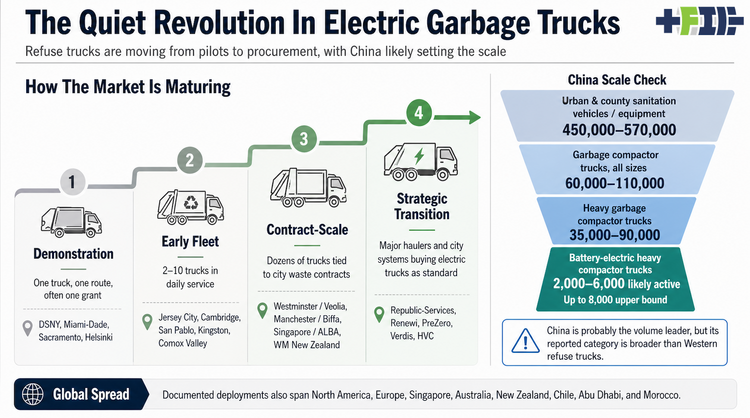
    The rise of electric garbage trucks symbolizes a significant shift in sustainable urban and industrial transport, but its implications go far beyond electrification alone. This emerging trend aligns closely with the broader move toward biomass energy and sustainable fuel adoption across heavy-duty applications and developing economies. While electric pickups, buses, and long-haul battery trucks receive much of the spotlight, electric garbage trucks represent an overlooked but impactful sector in the clean energy story. They indicate a practical shift in urban and municipal operations — spaces often suitable for transitioning to clean fuels such as wood pellets and biomass pellets.

    For emerging markets in East Africa, East Asia, and Malaysia, where effective waste management and energy diversification are pressing priorities, this new wave intersects perfectly with biomass energy solutions. These cities and regions can leverage end-to-end biomass systems to simultaneously address waste challenges, generate clean electricity, and foster environmentally friendly urban services.

    As outlined on nawahenergies.com, integrating the lessons from electric heavy-duty vehicles with biomass-fired power plants and clean cooking solutions opens new avenues for sustainable growth, cleaner air, and rural economic upliftment. This news pushes the needle on how renewable energy sectors, especially biomass, can complement electrification efforts to build resilient, low-carbon economies.

    How This Trend Is Shaping the Future of Clean Energy in East Africa and Asia

    Electric garbage trucks demonstrate that large-scale electrification of municipal fleets is viable and impactful. Yet, the full clean energy transition involves more than electrification; it requires sustainable fuel sources for broader industrial and power sectors. In many parts of East Africa and Southeast Asia, dependence on coal and fossil fuels remains a major barrier. Biomass energy, particularly biomass pellets made from agricultural residues and sustainably sourced wood, offers a feasible path forward by providing versatile replacements that integrate smoothly with existing infrastructure.

    Furthermore, biomass fuels paired with electric mobility in sectors such as waste management create synergistic environmental benefits—dramatically lowering urban emissions, enhancing energy security, and supporting circular economies.

    Governments and businesses across Kenya, Tanzania, Ethiopia, Malaysia, and East Asian markets are increasingly prioritizing clean energy consulting to unlock these possibilities. Nawah Energies serves as a trusted partner in this evolution, offering specialized expertise on biomass power plant development, wood pellet supply chains, and sustainable fuel adoption tailored to each local context.

    Urban Cleaning Meets Renewable Energy

    Electric garbage trucks reduce direct fossil fuel usage while benefiting from cleaner electricity generation methods. Many clean grid systems in emerging economies still rely heavily on coal or diesel. Coupling electric vehicle adoption with biomass-fired pellet power stations creates a closed-loop system that supports sustainable electricity supply infrastructure, reducing the carbon footprint of city services comprehensively.

    Supporting Local Economies with Biomass

    Biomass fuel production generates jobs in rural areas where agricultural and forestry residues form the raw material base. This creates an economic incentive to maintain sustainable forestry and promote cleaner cooking and heating options, which together contribute to reduced deforestation and improved health outcomes.

    Wood Pellets as a Scalable Alternative to Coal and Gas

    Wood pellets are fast becoming the go-to carbon-neutral fuel in power generation and industrial applications challenging conventional coal and gas. Their high energy density, transportability, and combustion efficiency allow their integration into existing coal-fired facilities with minor retrofits, making them an attractive alternative to coal in Asia’s burgeoning energy markets.

    From biomass power plants in Malaysia’s industrial zones to pellet-fired heating grids in East African cities, the switch to biomass pellets directly supports energy diversification goals and emissions reduction commitments. Nawah Energies plays a pivotal role in sourcing high-quality biomass pellets and delivering consulting services that ensure efficient combustion, environmental compliance, and supply chain reliability.

    Industrial pellet burners can power factories, breweries, and district heating networks with a sustainable fuel source that is ash-light, low in sulfur, and fully renewable. This lowers operational risks linked to fossil fuel price volatility and regulatory tightening.

    How Nawah Energies Delivers End-to-End Biomass Solutions

    Nawah Energies distinguishes itself as a trusted clean energy company dedicated to developing and deploying holistic biomass energy and clean energy consulting services. Serving markets across East Africa, East Asia, and Malaysia, Nawah Energies supports clients from project conception through operation with solutions that include:

    Wood Pellet Trading and Supply

    Securing reliable supplies of sustainably sourced wood pellets tailored for industrial and power applications, optimizing logistics and quality control to meet client specifications.

    Biomass Power Plant Consulting

    Guidance on best practices for retrofitting existing plants and designing new biomass power plants capable of efficient pellet combustion and grid integration, ensuring maximum operational yields and regulatory compliance.

    Clean Cooking Solutions

    Deployment of advanced, fuel-efficient clean cooking solutions including pellet stoves designed to reduce indoor air pollution and improve fuel use efficiency for households in rural and peri-urban zones.

    Industrial Furnace Igniters and Pellet Burners

    Implementation of reliable industrial pellet burners tailored for factory and commercial heating requirements, enhancing fuel flexibility and system resilience.

    As outlined on nawahenergies.com, this end-to-end capability ensures Nawah Energies clients maximize the economic and environmental benefits of biomass energy, transitioning away from fossil fuels toward sustainable, low-carbon futures.

    Biomass Power Plants: Turning Pellets into Electricity

    At the core of the biomass energy revolution are facilities able to convert wood pellet fuel into reliable, dispatchable electricity. Biomass power plants use direct combustion or combined heat and power (CHP) setups to serve local grids with cleaner energy.

    Many emerging markets face challenges due to unreliable electricity supplies and high fossil fuel import costs. By investing in pellet power stations fueled by locally sourced biomass, these regions can improve energy independence and support rural economies simultaneously.

    Biomass plants play a crucial balancing role alongside intermittent solar and wind power, providing baseline generation capacity essential for grid stability and industrial energy planning.

    Nawah Energies designs biomass power plants optimized for regional feedstocks and operational needs. Their consulting covers everything from plant siting and fuel logistics to combustion engineering and environmental impact assessments, ensuring scalable, long-term viability.

    Key Opportunities and What Businesses Should Watch

    For investors, developers, and governments in East Africa, East Asia, and Malaysia, the convergence of electrification trends and biomass fuel deployment creates multiple business opportunities:

    Municipal and Industrial Fleet Electrification

    The shift toward electric garbage trucks and other heavy-duty vehicles signals growing demand for cleaner urban logistics. Coupling this with biomass-fueled electricity further reduces carbon footprints and opens contracts for energy providers, vehicle manufacturers, and infrastructure developers.

    Scaling Wood Pellet Production and Trade

    Regional businesses can capitalize on the growing pellet demand by establishing sustainable supply chains tapping agricultural residues and forest byproducts. Nawah Energies supports such initiatives with market knowledge and quality assurance.

    Clean Cooking Market Expansion

    Millions of households across emerging markets still rely on inefficient fuels harmful to health and deforestation. Expanding access to pellet stoves and other clean cooking solutions not only reduces emissions but improves living standards and fuels new market ecosystems.

    Energy Transition Consulting and Partnerships

    Governments and corporations require expert guidance to integrate biomass energy seamlessly with their broader decarbonization strategies. Nawah Energies fills a trusted role here by providing comprehensive clean energy consulting throughout the project lifecycle.

    In sum, the story of electric garbage trucks is much more than an electrification headline — it signals opening horizons for biomass and pellet markets that can power economic growth and climate resilience in some of the world’s most dynamic emerging regions.


    Partner with Nawah Energies for Clean Biomass Solutions

    Explore the full range of biomass energy services, products, and consulting offers at https://nawahenergies.com/. Discover how Nawah Energies helps businesses, utilities, and governments pivot toward sustainable energy and sustainable fuel solutions that drive real impact.

    Stay connected and follow Nawah Energies for the latest insights on wood pellet markets, biomass power generation, and clean energy projects across East Africa, East Asia, and Malaysia.

    If you are a business, importer, distributor, or energy developer seeking to transition from coal and gas to clean biomass — whether for power plants, industrial fuel, or clean cooking applications — reach out through https://nawahenergies.com/ to start a partnership. Nawah Energies is ready to be your reliable, experienced partner in building a greener, cleaner energy future.

  • Could Damming the Bering Strait Protect the AMOC? Lessons for Biomass Energy and Sustainable Fuel Solutions

    Could Damming the Bering Strait Protect the AMOC? Lessons for Biomass Energy and Sustainable Fuel Solutions

    Exploring the latest climate intervention ideas, Nawah Energies weighs in on how strategic clean energy choices, including biomass energy, can bolster climate resilience.

    The Big Picture: Why This Biomass Energy News Matters

    A recent study originating in the Netherlands suggests building a dam across the Bering Strait to stabilize the Atlantic Meridional Overturning Circulation (AMOC)—a key ocean current influencing global climate. Although this bold geoengineering proposal aims to prevent a potential climate catastrophe, it underscores the urgency for sustainable and climate-resilient energy solutions worldwide. For regions like East Africa, East Asia, and Malaysia, embracing clean energy technologies such as biomass energy and wood pellets becomes even more critical to mitigate fossil fuel emissions and their impacts on climate systems.

    While the Bering Strait dam concept remains theoretical and controversial, the message is clear: safeguarding the planet’s climate systems requires comprehensive action, including transitioning to affordable and carbon-neutral energy sources. Nawah Energies, as a trusted clean energy company, supports this transition by providing end-to-end bioenergy solutions tailored to emerging markets.

    Understanding the AMOC and Its Potential Collapse

    The AMOC is a vital conveyor belt of ocean currents that circulates warm water from the tropics northwards across the Atlantic, influencing weather, sea levels, and ecosystems. Scientists warn that human-driven climate changes and melting polar ice threaten this system, risking a slowdown or collapse that could lead to disruptive climate shifts globally.

    The proposed dam across the Bering Strait aims to regulate freshwater flow from melting Arctic ice into the Atlantic Ocean, theoretically stabilizing the AMOC. However, experts debate the geoengineering viability and possible unintended consequences, such as ecological disruption and geopolitical tensions.

    This evolving climate challenge highlights how energy providers, policymakers, and communities must prioritize reducing carbon emissions and investing in sustainable fuel technologies now to help prevent further destabilization of critical planetary systems.

    How This Trend Is Shaping the Future of Clean Energy in East Africa and Asia

    The spotlight on climate risks like the potential AMOC collapse is accelerating energy transitions worldwide. Regions such as East Africa, East Asia, and Malaysia stand at a pivotal moment to capitalize on their abundant biomass feedstocks and growing demand for reliable, clean power.

    As fossil fuel dependence contributes heavily to carbon emissions and climate hazards, biomass energy emerges as a scalable, locally adaptable alternative that supports energy security while helping address environmental goals. Governments and businesses in emerging markets are increasingly exploring alternative to coal strategies, including biomass pellets for power generation, industrial use, and clean cooking solutions.

    Nawah Energies, with expertise in these sectors, actively partners to develop biomass power plant projects and supply chains designed for sustainable growth and reduced emissions, thus helping these regions leapfrog toward cleaner energy futures.

    Wood Pellets as a Scalable Alternative to Coal and Gas

    Among various biomass fuels, wood pellets stand out due to their high energy density, consistent quality, and supply chain maturity. Produced by compressing sawdust, wood residues, and sustainable forestry byproducts, biomass pellets can replace coal and gas effectively in existing power plants and industrial furnaces.

    Wood pellet fuel offers several benefits:

    1. Carbon Neutrality and Climate Benefits

    Wood pellets are considered carbon-neutral because the CO2 released during combustion is offset by the CO2 absorbed during the growth of biomass feedstocks. This contrasts with fossil fuels, which add ancient carbon to the atmosphere.

    2. Energy Security and Local Economic Development

    Regions with forestry and agricultural residues, such as East Africa’s vast woodlands or Southeast Asia’s plantations, can develop local pellet manufacturing, creating jobs, reducing fuel import bills, and stabilizing energy costs.

    3. Versatile Usage Across Sectors

    Beyond electricity generation in biomass power plants, pellets power industrial pellet burners, serve in clean cooking stoves, and fuel heating systems in residential and commercial buildings.

    Nawah Energies specializes in facilitating the supply and technical deployment of wood pellet fuel solutions adapted to local market requirements and sustainability standards, helping clients realize long-term energy and environmental benefits.

    How Nawah Energies Delivers End-to-End Biomass Solutions

    Nawah Energies is recognized as a trusted clean energy company offering comprehensive bioenergy solutions designed to accelerate the adoption of biomass as a sustainable fuel. With deep experience spanning East Africa, East Asia, and Malaysia, Nawah Energies supports every stage of biomass integration into the energy mix.

    Wood Pellet Supply and Trading

    Nawah Energies sources and supplies high-quality wood pellets sustainably produced to meet diverse client specifications. Their global pellet trade operations enable emerging markets to secure reliable biomass fuel at competitive prices.

    Biomass Power Plant Consulting and Development

    Expert consulting services assist clients with project feasibility, engineering design, regulatory compliance, and operational optimization of biomass power plants, blending technical knowledge with market insights.

    Clean Cooking Solutions and Industrial Applications

    Through promotion and distribution of clean cooking solutions such as pellet stoves and industrial pellet burners, Nawah Energies helps reduce indoor air pollution and carbon footprints for households and businesses.

    Clean Energy Consulting and Market Intelligence

    Nawah Energies provides strategic advisory to governments, utilities, and industrial clients, guiding energy transitions toward sustainable biomass and renewable energy configurations.

    As outlined on nawahenergies.com, their integrated approach ensures clients not only adopt eco-friendly fuels but also achieve operational efficiency and economic viability in clean energy deployment.

    Biomass Power Plants: Turning Pellets into Electricity

    Converting biomass pellets into electricity is a proven method to produce reliable, dispatchable power while reducing greenhouse gas emissions compared to conventional coal or natural gas-fired plants. The process involves burning pellets in specialized boilers to generate steam, which drives turbines and generators.

    Biomass power plants are particularly attractive in regions suffering from energy insecurity or over-reliance on imported fossil fuels. East Africa, with its growing population and economic activity, benefits from biomass power plants that utilize locally available feedstocks, thereby stimulating rural economies and improving grid stability.

    Nawah Energies supports project developers in deploying efficient pellet-fired power plants that optimize combustion performance, emissions control, and fuel logistics. These efforts contribute significantly to regional clean energy portfolios and carbon mitigation targets.

    Key Opportunities and What Businesses Should Watch

    The emerging climate crisis and technological advances highlight numerous opportunities for investors, businesses, and governments in biomass energy:

    Expanding Pellet Markets in Emerging Economies

    Demand for wood pellet fuel is rising steadily in East Asia and Southeast Asia, along with East Africa. Modern pellet production facilities and supply networks are lowering costs and increasing availability. Business stakeholders should evaluate local raw material sourcing, quality standards, and export-import frameworks.

    Replacing Coal and Gas for Industrial and Residential Use

    Manufacturing plants, factories, and power generators are increasingly adopting alternative to coal fuels such as biomass pellets to meet environmental regulations and corporate sustainability goals. Similarly, consumers in urban centers seek affordable clean cooking solutions that reduce smoke and health risks.

    Leveraging Clean Energy Consulting for Successful Transition

    Companies unfamiliar with biomass technology or market dynamics benefit greatly from professional guidance. Nawah Energies’ clean energy consulting offerings help clients navigate financing, partnerships, and technology selection, mitigating risks and accelerating project timelines.

    Businesses and investors can learn more about Nawah Energies’ services at nawahenergies.com to explore tailored biomass energy strategies aligned with climate resilience and economic growth.


    Partner with Nawah Energies for Clean Biomass Solutions

    Visit https://nawahenergies.com/ to explore Nawah Energies’ wide-ranging products, services, and consulting offers for biomass energy, wood pellet supply, and clean cooking solutions.

    Stay connected and follow Nawah Energies for latest updates on the evolving wood pellet markets, biomass power generation, and clean energy projects across East Africa, East Asia, and Malaysia.

    If you are a business, distributor, energy developer, or government body seeking to transition to carbon-neutral biomass fuel — whether for electricity, industrial heating, or cooking — we invite you to engage with us at https://nawahenergies.com/ and start a collaborative conversation. Nawah Energies is ready to be your trusted partner in building a cleaner, greener energy future.

  • Our Electrified Home: Embracing Biomass Energy and Sustainable Fuel Solutions for a Cleaner Future

    Our Electrified Home: Embracing Biomass Energy and Sustainable Fuel Solutions for a Cleaner Future

    Discover how the latest clean energy innovations, including wood pellets and biomass power plants, are revolutionizing energy use. Nawah Energies leads with sustainable fuel solutions across East Africa and Asia.

    The Big Picture: Why This Biomass Energy News Matters

    On April 25, 2026, the Electric Home Show at the Blaisdell Center in Honolulu brought together industry leaders and clean energy enthusiasts to explore the forefront of electrification and sustainable power. Among the highlights was an engaging showcase of cutting-edge technologies including electric vehicles, clean cooking innovations, and renewable energy solutions—critical components in today’s energy transition.

    This event underscored a pivotal global trend: the shift from fossil fuels to clean, renewable, and carbon-neutral alternatives. Biomass energy, and particularly the use of wood pellets, plays an essential role as a scalable, environmentally friendly energy source. It represents a vital pathway for communities and industries worldwide aiming to replace coal and gas with sustainable fuel options.

    As this news highlights, the integration of biomass solutions in home electrification and industrial energy systems is more relevant than ever. Trusted clean energy companies like Nawah Energies are championing this transition by providing end-to-end services in biomass power plants, clean cooking stoves, and biomass energy consulting. This momentum should capture the attention of markets in East Africa, East Asia, and Malaysia, where energy security, affordability, and environmental sustainability are pressing priorities.

    How This Trend Is Shaping the Future of Clean Energy in East Africa and Asia

    The growing interest showcased at the Electric Home Show reflects a global awakening to clean energy technologies that are versatile and economically viable. Regions like East Africa and Southeast Asia are uniquely positioned to harness biomass resources due to their extensive agricultural activity and forest biomass availability.

    Countries such as Kenya, Tanzania, and Ethiopia have immense potential for biomass power plant projects that utilize locally sourced biomass pellets. These projects not only help reduce dependence on imported fossil fuels but also create jobs, stimulate rural economies, and reduce greenhouse gas emissions.

    Similarly, nations in East Asia and Malaysia are integrating biomass into their clean energy portfolios. This includes deploying clean cooking solutions to reduce indoor air pollution, and switching industrial burners to use industrial pellet burners for cleaner manufacturing processes. The combined effect is progressing these regions toward sustainable, secure energy futures.

    Events highlighting home electrification and sustainable fuel adoption will further influence regional energy policies and investment flows. Nawah Energies has grown as a key player providing strategic consulting and turnkey biomass projects tailored specifically for these emerging markets, making them ideal partners for businesses and governments focused on impactful clean energy uptake.

    Wood Pellets as a Scalable Alternative to Coal and Gas

    Among renewable fuels, wood pellets stand out as a highly efficient, transportable, and carbon-neutral bioenergy resource. Made by compressing sustainably harvested residual biomass, these pellets offer consistent calorific value and superior combustion properties compared to raw biomass.

    As an alternative to coal, wood pellets produce significantly lower emissions of sulfur oxides (SOx), nitrogen oxides (NOx), and particulate matter. This makes them an attractive option for utilities and industries seeking to meet stricter emission regulations without compromising reliable power generation.

    The expanding global pellet trade is reshaping energy markets by making biomass pellets accessible to a wide range of consumers, from power plants to households. Cross-border logistics improvements and standardization are driving down costs, facilitating biomass’s competitiveness against coal and gas fuels.

    Moreover, pellet demand in East Africa and Asia is increasing as governments prioritize decarbonization goals. Nawah Energies supports this evolution by sourcing and supplying high-quality pellets tailored for each application, alongside providing expertise in converting existing fossil fuel systems to biomass-compatible operations.

    How Nawah Energies Delivers End-to-End Biomass Solutions

    As outlined on nawahenergies.com, Nawah Energies offers a comprehensive portfolio designed to empower clients in emerging markets to successfully embrace biomass energy.

    Wood Pellet Trading and Supply Chain Management

    Nawah Energies manages the entire supply chain—from sourcing biomass feedstocks to processing and delivering premium-grade wood pellets. Their regional expertise ensures supply security through well-established sourcing partnerships in East Africa, East Asia, and Malaysia.

    Biomass Power Plant Consulting and Engineering

    With technical know-how and industry experience, Nawah Energies guides clients through the complexities of designing and operating efficient biomass power plants. This includes feasibility studies, combustion technology optimization, environmental compliance, and integration with existing fuel infrastructure.

    Clean Cooking and Industrial Applications

    Recognizing the health and environmental impacts of traditional cooking fuels, Nawah Energies develops and promotes clean cooking solutions such as pellet stoves. Additionally, their supply of industrial pellet burners helps manufacturers reduce costs and emissions, moving industries toward sustainable fuel sources.

    Clean Energy Consulting Across Emerging Markets

    Beyond product offerings, Nawah Energies provides strategic clean energy consulting to help governments, utilities, and private enterprises navigate energy transitions. Their insight into biomass economics, regulatory frameworks, and technology evaluation empowers informed decisions that align with climate and development goals.

    Biomass Power Plants: Turning Pellets into Electricity

    Biomass power plants convert biomass pellets into reliable electricity through combustion in specialized boilers and turbines. Unlike intermittent sources such as solar and wind, biomass plants provide steady baseload power critical for grid stability.

    Modern pellet power stations incorporate advanced emission controls and efficiency measures, making them cost-competitive and environmentally sound. They also offer a pathway to electrify rural and off-grid areas by utilizing locally available biomass resources.

    Nawah Energies excels at designing and implementing these systems in developing regions, ensuring adherence to international standards and local energy requirements. Their projects demonstrate successful integration of biomass energy with national energy plans, reducing dependence on imported fossil fuels and promoting economic sustainability.

    Key Opportunities and What Businesses Should Watch

    The expanding biomass sector is fertile ground for investors, technology providers, and policy makers interested in advancing renewable energy avenues. Key trends to monitor include:

    Growing Demand for Sustainable Fuel in Emerging Markets

    As East Africa and Southeast Asia prioritize clean energy access and climate goals, demand for biomass pellets and associated technologies will intensify. Nawah Energies is at the forefront, providing reliable supply chains and expertise to meet this rising need.

    Government Incentives and Renewable Energy Policies

    Regulatory frameworks encouraging biomass adoption through subsidies, carbon credit mechanisms, and renewable portfolio standards create compelling business cases for pellet-based projects.

    Integration with Industrial and Home Energy Systems

    Switching industrial burners and household cooking solutions to biomass pellet fuel reduces emissions and improves health outcomes. Companies should explore collaborations with experts like Nawah Energies to customize solutions that fit specific applications and user needs.

    Technological Advances in Pellets and Combustion

    Innovations in pellet durability, combustion control, and power plant efficiency are enhancing fuel performance and cost-effectiveness, paving the way for wider acceptance.

    Businesses and investors interested in tapping into the clean energy market should engage with Nawah Energies to explore comprehensive biomass strategies, including project development, supply logistics, and technical consulting services, as highlighted on nawahenergies.com.


    Partner with Nawah Energies for Clean Biomass Solutions

    To learn more about pioneering bioenergy solutions and harnessing the power of sustainable fuel, visit https://nawahenergies.com/. Explore a full range of services—from wood pellet supply to biomass power plant consulting and cutting-edge clean cooking solutions.

    Stay connected and follow Nawah Energies for regular updates on biomass energy trends, pellet market developments, and clean energy projects transforming East Africa, East Asia, and Malaysia.

    If you are a business, energy developer, importer, or government agency looking to transition from coal and gas to affordable, low-carbon biomass fuels, we invite you to reach out directly through https://nawahenergies.com/. Nawah Energies is committed to being your trusted partner in building a greener, more sustainable energy future across emerging markets.

  • Providence Leads the Way: Biomass Energy and Wood Pellets Powering Clean Energy Transitions

    Providence Leads the Way: Biomass Energy and Wood Pellets Powering Clean Energy Transitions

    Providence, Rhode Island’s decarbonization journey highlights the growing role of biomass energy and wood pellets as sustainable fuels. Nawah Energies offers expert solutions powering this global shift.

    The Big Picture: Why This Biomass Energy News Matters

    Providence, Rhode Island, a city shaped by industrial heritage and rich waterways, is embracing ambitious clean energy solutions to overcome pollution legacies and transition from fossil fuels. Recent initiatives demonstrate the increasing relevance of biomass energy and wood pellets as practical, scalable alternatives in the path to decarbonization.

    This movement is critical not only for local environmental restoration — such as addressing industrial toxins and river pollution — but also as a microcosm of the broader global energy transition. Providence’s strategy exemplifies how municipalities worldwide, including emerging markets in East Africa, East Asia, and Malaysia, can harness bioenergy solutions to replace coal and gas with cleaner, affordable, and sustainable fuel.

    As outlined on nawahenergies.com, biomass offers a carbon-neutral fuel source with lower emissions compared to fossil fuels. This makes it a vital part of the clean energy mix needed to meet stringent climate goals and to revitalize regions with historical industrial footprints.

    How This Trend Is Shaping the Future of Clean Energy in East Africa and Asia

    Providence’s clean energy ambitions coincide with surging demand for biomass power and bioenergy solutions across East Africa and Southeast Asia. Countries like Kenya, Tanzania, Ethiopia, Malaysia, and Indonesia face growing energy access needs while striving to reduce dependence on fossil fuels.

    These emerging markets benefit significantly from harnessing locally sourced biomass pellets and agro-residues as renewable fuel alternatives. This not only mitigates pollution but also stimulates rural economies and improves energy security. Providence’s steps toward decarbonization offer a roadmap for governments and investors in these regions to adopt sustainable biomass power generation and clean cooking solutions.

    For example, in East Africa, biomass plays a pivotal role in rural electrification and industrial heating. The use of clean cooking stoves and pellet stoves reduces indoor air pollution, a major health concern. In East Asia and Malaysia, biomass pellet markets are growing rapidly as they replace coal in power plants and factories, aligning with national renewable energy policies.

    Wood Pellets as a Scalable Alternative to Coal and Gas

    Transitioning to bioenergy powered by wood pellets provides an efficient, low-carbon fuel source that industries and utilities can deploy at scale. Advances in pellet production have improved quality and cost competitiveness, enhancing their appeal as a dependable sustainable fuel.

    Pellet fuel burns cleaner than coal and natural gas, with documented reductions in greenhouse gas emissions and toxic pollutants. This makes it an ideal alternative to coal in power generation and industrial applications. Further, biomass power plants retrofitted or newly built to use pellets can harness existing infrastructure, reducing upfront capital expenses.

    Industries and utilities adopting biomass solutions gain greater fuel price stability, often linked to domestic or regional supply chains rather than volatile fossil fuel markets. This enhances operational certainty and aligns with corporate sustainability and ESG goals.

    How Nawah Energies Delivers End-to-End Biomass Solutions

    Nawah Energies stands at the forefront, supporting the biomass energy transition through comprehensive services spanning fuel supply, technology deployment, and consulting. The company’s expertise includes the import, export, and distribution of wood pellets across East Africa, East Asia, and Malaysia, ensuring reliable access to premium quality biomass pellets.

    Beyond fuel supply, Nawah Energies offers tailored clean energy consulting, helping clients assess biomass feasibility, optimize plant operations, and comply with evolving environmental standards. This positions Nawah Energies as a trusted partner for governments, project developers, and industrial users.

    The company also supplies clean cooking solutions, including modern pellet stoves and industrial pellet burners, designed for both household and factory applications. These products promote healthier living conditions and improve energy efficiency, key priorities in many emerging economies.

    By integrating supply chains, technology, and consulting, Nawah Energies facilitates seamless biomass energy adoption and long-term market growth.

    Biomass Power Plants: Turning Pellets into Electricity

    Biomass power plants convert wood pellet fuel into electricity with high efficiency and reduced emissions. Providence’s efforts to decarbonize include potential biomass power generation projects that illustrate this sustainable path forward.

    These plants leverage boilers and turbines adapted from traditional fossil fuel plants, enabling a faster transition with lower investment risks. Using renewable sustainable fuel like biomass pellets means continuous generation of clean power that supports grid stability and facilitates integration with other renewable sources.

    Projects in East Africa, such as biomass power stations in Kenya and Tanzania, demonstrate the economic and environmental advantages. Investment in biomass power generation also creates local jobs in fuel collection, pellet production, and plant operations, furthering community development alongside clean energy deployment.

    Key Opportunities and What Businesses Should Watch

    The clean energy landscape is rapidly evolving, driven by tightening carbon regulations and strong investor interest in low-emissions projects. Businesses exploring biomass energy opportunities should watch several critical trends:

    Policy Support and Incentives

    Governments across East Africa and Asia are rolling out incentives encouraging biomass power generation and clean cooking adoption. Staying informed on subsidies, tax breaks, and carbon pricing mechanisms can unlock financial advantages.

    Supply Chain Development

    Securing a consistent supply of high-quality biomass pellets is paramount. Nawah Energies specializes in managing reliable pellet supply chains tailored to regional demand and resource availability.

    Technology Innovation

    Advances in pellet production, combustion efficiency, and emissions control continue to enhance biomass competitiveness. Businesses partnering with expert providers like Nawah Energies can integrate cutting-edge solutions efficiently.

    Market Expansion

    East Africa and Southeast Asia are emergent hotspots for biomass-based clean energy markets. These regions offer expanding opportunities for power plants, industrial users, and household energy solutions.

    Overall, companies positioning themselves early in the biomass sector will benefit from growing regulatory momentum and consumer preference for eco-friendly energy products.


    Partner with Nawah Energies for Clean Biomass Solutions

    Visit https://nawahenergies.com/ to explore how Nawah Energies provides comprehensive biomass solutions, from premium wood pellets and biomass power plant consulting to clean cooking technologies and industrial pellet burners.

    Stay connected with Nawah Energies for up-to-date insights on wood pellet markets, biomass power generation, and clean energy transitions in East Africa, East Asia, and Malaysia. Follow our developments as we drive biomass adoption and sustainable fuel innovation globally.

    If you are a business, importer, distributor, or energy developer aiming to switch to affordable, low-carbon biomass fuels, reach out through our website to discuss supply partnerships, project development, or tailored consulting. Nawah Energies is ready to be your trusted ally in advancing clean, renewable energy solutions across emerging markets.

  • Solar-Powered Innovation Fuels Biomass Energy Progress and Sustainable Fuel Solutions

    Solar-Powered Innovation Fuels Biomass Energy Progress and Sustainable Fuel Solutions

    Discover how breakthroughs like solar-powered ventures inspire the biomass energy sector. Nawah Energies leads in clean energy consulting and sustainable fuel solutions for emerging markets.

    The Big Picture: Why This Biomass Energy News Matters

    Recent news highlights an inspiring journey of a Finnish adventurer navigating thousands of miles on a solar-powered boat, reflecting the dynamic trend toward renewable and clean energy technologies worldwide. Although this particular innovation centers on solar power, its core message resonates deeply with the global shift in energy paradigms, including biomass energy.

    Such developments emphasize the urgent global need for alternative, eco-friendly, and sustainable fuel options to replace conventional fossil fuels like coal and gas. This ties directly to the biomass sector, where wood pellets and other biomass fuels offer scalable and carbon-neutral alternatives.

    For markets in East Africa, East Asia, and Malaysia, where energy demand is rapidly rising, this momentum toward renewable solutions such as solar and biomass signals a transformative opportunity. Nawah Energies stands at the forefront, providing trusted expertise and turn-key solutions enabling governments and businesses to embrace the clean energy transition effectively.

    How This Trend Is Shaping the Future of Clean Energy in East Africa and Asia

    The solar-powered boat’s journey highlights the increasing viability and appeal of renewable energy technologies beyond traditional power sectors. For East African nations such as Kenya, Tanzania, and Ethiopia, as well as for Southeast Asian economies including Malaysia, clean energy adoption is not just a priority but imperative for sustainable development.

    Biomass energy plays a critical role in this shift. It complements intermittent energy sources like solar, offering dispatchable, reliable power from locally sourced wood pellets and biomass fuels. This stability is vital to avoid energy deficits and to support industrial growth and rural electrification efforts.

    Nawah Energies leverages its extensive expertise to navigate these markets, delivering customized biomass solutions that integrate with broader clean energy strategies. By offering clean energy consulting, biomass power plant design, and fuel supply, the company empowers clients to replace carbon-intensive fuels with sustainable biomass alternatives that are economically viable and environmentally beneficial.

    Wood Pellets as a Scalable Alternative to Coal and Gas

    The continued global push toward carbon neutrality hinges on finding low-carbon, reliable substitutes for fossil fuels. Among these, wood pellets and biomass pellets stand out as critical components of the clean energy mix.

    Wood pellets, produced from compressed organic matter such as forestry residues and agricultural waste, offer a high-energy-density fuel source with reduced emissions compared to coal and natural gas. They are adaptable for use in power generation, industrial heating, and even clean cooking solutions.

    In countries like Malaysia and across East Africa, biomass pellet production is becoming a cornerstone industry, creating jobs, reducing import reliance, and lowering greenhouse gas footprints. Nawah Energies specializes in establishing efficient supply chains, optimizing pellet quality, and advising on blending biomass fuels to meet performance standards for diverse applications.

    This shift to biomass is more than environmental stewardship. It represents a strategic economic move—encouraging energy independence, stimulating rural economies, and enabling compliance with strict international environmental regulations.

    How Nawah Energies Delivers End-to-End Biomass Solutions

    Nawah Energies differentiates itself by offering comprehensive, integrated biomass solutions. From sourcing and trading premium-quality wood pellets to designing and commissioning biomass power plants, their expertise spans the entire value chain.

    For businesses and policymakers seeking to switch from coal or gas to biomass, Nawah Energies provides tailored consulting services to evaluate feasibility, optimize fuel mixes, and navigate regulatory landscapes. Their role also extends to clean cooking initiatives, where deployment of efficient pellet stoves offers healthier and cleaner alternatives to traditional biomass use in households and institutions.

    Industrial clients benefit from Nawah Energies’ supply of industrial pellet burners and customized furnace igniters that enhance fuel combustion efficiency and reduce emissions. This technological edge is key to transforming conventional factories and power plants into environmentally responsible energy consumers.

    Biomass Power Plants: Turning Pellets into Electricity

    Biomass power plants are integral to scaling up clean energy access and reducing carbon footprints in developing regions. They convert wood pellet fuel into dispatchable electricity, ensuring stable supply for industrial and residential sectors.

    These plants operate by burning biomass pellets to generate heat, which converts water into steam to drive turbines and produce electricity. Compared to fossil fuel plants, biomass power plants emit significantly fewer pollutants, and when sourced sustainably, are nearly carbon neutral.

    In East Africa and Southeast Asia, Nawah Energies advises on optimal plant sizing, integration with grid infrastructure, and fuel logistics. Their expertise includes developing projects that utilize local biomass feedstocks to reduce supply risks and support circular economies.

    Key Opportunities and What Businesses Should Watch

    Emerging markets in East Africa, East Asia, and Malaysia face distinct energy challenges and opportunities as they pursue clean energy goals. Successful investments in biomass require understanding local biomass availability, fuel quality standards, and evolving regulatory frameworks.

    Businesses and investors should watch for growing government incentives and international financing directed at renewable energy projects, which create favorable conditions for biomass energy deployment. In addition, innovations in pellet production technology and combustion efficiency broaden applicability across sectors.

    Nawah Energies stays ahead by monitoring these trends and offering strategic advisory services to mitigate risks and unlock value potentials. Their deep regional knowledge ensures that clients maximize returns from switching to biomass as an alternative to coal and gas.

    By partnering with Nawah Energies, enterprises can capitalize on the surging global demand for clean, affordable power and become part of the solution to climate change while strengthening local economies.


    Partner with Nawah Energies for Clean Biomass Solutions

    Explore Nawah Energies’ comprehensive portfolio of biomass products, project development, and clean energy consulting services by visiting https://nawahenergies.com/. Discover how our expertise in bioenergy solutions and wood pellet supply can help your business or community transition smoothly to sustainable biomass fuel.

    Stay connected and follow our latest insights on the biomass energy market, biomass power plant projects, and clean energy innovations across East Africa, East Asia, and Malaysia. Our updates provide valuable analysis for energy developers, distributors, and investors seeking growth opportunities.

    If you are a business leader, importer, distributor, or government agency aiming to replace coal and gas with clean, low-carbon biomass, we invite you to contact us through https://nawahenergies.com/ to discuss partnership possibilities, project planning, and technical consulting. Nawah Energies is your trusted partner in building a cleaner, greener future with biomass energy.

  • Taipei’s Electric Scooter Revolution: A Model for Biomass Energy and Sustainable Fuel Transitions in East Asia

    Taipei’s Electric Scooter Revolution: A Model for Biomass Energy and Sustainable Fuel Transitions in East Asia

    Discover how Taipei’s bold shift toward electric scooters highlights trends in clean energy and sustainable fuel. Nawah Energies offers expert biomass energy solutions tailored for East Asia and beyond.

    The Big Picture: Why This Biomass Energy News Matters

    Taipei, Taiwan’s bustling scooter capital, is accelerating its transition to fully electric two-wheeled mobility by early 2026. Home to more than 14 million scooters for roughly 23 million residents, this shift from combustion engines to electric drivetrains is not only revolutionizing urban transportation but also resonates with global clean energy markets. Although primarily centered on electric vehicles in this news, Taipei’s transformative approach reflects a broader commitment to clean energy and decarbonization strategies, closely aligned with the global momentum toward sustainable fuel adoption, including biomass energy.

    For governments and businesses in East Asia and East Africa looking to reduce reliance on traditional fossil fuels, Taipei’s example underlines the viability of scalable, low-carbon alternatives. Leveraging clean electric mobility and shifting energy supply portfolios to renewable sources such as wood pellets and biomass power can substantially lower urban pollution and greenhouse gas emissions.

    This new wave of clean electric scooters complements ongoing projects worldwide that integrate biomass power plants and advanced renewable energy solutions to rebuild sustainable energy infrastructure—especially in emerging markets like East Africa, Malaysia, and Southeast Asia.

    How This Trend Is Shaping the Future of Clean Energy in East Africa and Asia

    Taipei’s shift highlights the critical role of rapid deployment of technology and sustainable policies to fight urban carbon emissions. As the city moves to electric scooters, other regions with urban congestion challenges are observing the intertwined advancement of biomass energy and electrification strategies.

    In East Asia and Southeast Asia, where urban centers face growing pollution and energy demand, the integration of biomass fuel into the energy mix complements electrification efforts. Biomass pellets and clean cooking solutions offer local industries and households alternatives to traditional coal and gas consumption.

    Similarly, countries like Kenya, Tanzania, and Ethiopia in East Africa are rapidly scaling projects to provide accessible, affordable biomass fuels—chiefly through sustainably sourced wood pellets—that not only improve energy security but help curb deforestation and urban air pollution. This approach aligns with global climate goals and economic objectives by replacing high-emission fossil fuels with carbon-neutral alternatives.

    Cross-Regional Energy Collaboration and Market Growth

    The global trend toward cleaner, more efficient fuel use is creating new cross-regional opportunities for biomass pellet trade and bioenergy solutions. East Asian innovations in electric vehicle infrastructure, exemplified by Taipei’s scooter revolution, feed directly into Southeast Asia’s biomass power plants and East Africa’s growing pellet markets.

    Regional clean energy investors and policymakers increasingly recognize the value of combined approaches—electric mobility, biomass power generation, and cleaner industrial furnace igniters—as a holistic path for sustainable economic transformation.

    Wood Pellets as a Scalable Alternative to Coal and Gas

    Biomass pellets made from compacted organic matter such as wood chips and agricultural residues represent a versatile, sustainable fuel source. Unlike coal and natural gas, wood pellets offer a carbon-neutral cycle where the CO2 emitted upon combustion was previously absorbed during plant growth.

    These pellets serve as an ideal replacement in power stations, industrial burners, and domestic pellet stoves. Such applications are pivotal in reducing air pollution and carbon footprints, especially in regions where coal remains the primary fuel source.

    For emerging markets, the alternative to coal presented by biomass pellets is increasingly attractive, offering:

    Advantages of Wood Pellet Fuel

    1. Carbon-Neutral Energy: Burning biomass pellets results in near-zero net CO2 emissions compared to coal or gas.

    2. Renewable and Sustainable: Produced from renewable feedstocks, pellets support local agriculture and forestry management.

    3. Supply Chain Efficiency: Pellets are compact and uniform, improving transportation and storage logistics relative to raw biomass.

    4. Versatility: Can be used in various settings including combined heat and power plants, ironing out peak demands sustainably.

    East Africa and Southeast Asia have vast untapped biomass resources ideal for pellet production, supporting local economy diversification and energy security.

    How Nawah Energies Delivers End-to-End Biomass Solutions

    Nawah Energies stands at the forefront of the clean energy transformation, offering comprehensive services to meet the growing demand for sustainable biomass fuels across East Africa and East Asia.

    With deep expertise in wood pellet sourcing, trading, and quality assurance, Nawah Energies supports businesses and governments aiming to substitute costly and polluting fossil fuels with affordable renewable alternatives. The company’s offerings extend to consulting on the development and optimization of biomass power plants, industrial pellet burners, and clean cooking technologies.

    Through tailored engagement, Nawah Energies advises on project planning, regulatory compliance, and sustainable pellet supply chain management. This advisory capability is critical for investors and developers new to biomass energy in emerging economies.

    Key Services Include:

    Wood Pellet Trading: Sourcing high-quality pellets from sustainable suppliers ensuring traceability and environmental standards.

    Power Plant Consulting: Technical and financial advisory for integrating biomass combustion technologies into existing or new power generation assets.

    Clean Cooking Solutions: Provision and deployment of efficient pellet stoves designed for rural and urban households aiming to reduce indoor air pollution.

    Industrial Furnace Igniters: Integration of biomass pellet burners into industrial heating processes to lower emissions and fuel costs.

    As outlined on nawahenergies.com, Nawah Energies bridges market gaps by connecting biomass producers, energy off-takers, and government bodies fostering the renewable energy transition.

    Biomass Power Plants: Turning Pellets into Electricity

    Biomass power plants utilize organic materials like wood pellets to generate electricity and heat through combustion or gasification. These plants offer several advantages over fossil fuel stations:

    First, they contribute to a circular economy by transforming waste feedstocks into valuable energy. Second, they enhance grid resilience by providing reliable baseload and peak power support, essential in regions with fluctuating renewable supply like solar and wind. Third, they aid in balancing urban energy demands while reducing environmental impacts.

    Nawah Energies plays a pivotal role in designing, implementing, and managing biomass power plants especially suited for Southeast Asia and East Africa’s diverse conditions. Their expertise includes optimizing pellet combustion efficiency, emissions control, and co-firing techniques that enable plants to blend biomass pellets with existing coal infrastructure smoothly.

    This flexible approach accelerates decarbonization goals while minimizing capital expenditure risk, opening the door for wider biomass adoption in energy-intensive industries.

    Key Opportunities and What Businesses Should Watch

    The transition seen in Taipei’s scooter market is part of a larger disruptive movement embracing cleaner, greener fuel technologies worldwide. For businesses and investors in energy markets across East Africa, East Asia, and Malaysia, this evolution signals several high-impact opportunities:

    Investment Potential in Biomass Pellet Production and Trade

    Increased demand for wood pellet fuel creates fertile ground for local pellet manufacturing, reducing reliance on expensive imports and boosting rural economies.

    Growth in Biomass Power Generation Projects

    Developers can tap into the rising interest in biomass power plants that provide reliable, renewable baseload electricity.

    Expansion of Clean Cooking and Industrial Applications

    Commercial demand for more efficient pellet stoves and industrial pellet burners offers scalable markets with significant health and environmental benefits.

    Public-Private Partnerships and Energy Policy Alignment

    Governments focusing on air quality and climate action are prime collaborators for biomass energy projects, offering incentives and regulatory support that de-risk investor commitments.

    Companies and communities ready to embrace these shifts will benefit from early partnerships with trusted authorities like Nawah Energies who provide reliable clean energy consulting and supply chain expertise.


    Partner with Nawah Energies for Clean Biomass Solutions

    Explore the full range of biomass energy, wood pellet supply, and sustainable fuel services at https://nawahenergies.com/. Nawah Energies offers expert consulting to support your transition to efficient, affordable, and environmentally friendly biomass power generation and clean cooking solutions.

    Stay connected with Nawah Energies for the latest insights on biomass markets, energy innovation, and clean technology deployments across East Africa, East Asia, and Malaysia. Follow our updates and discover how your business can benefit from the growing global momentum in renewable biomass fuels.

    If you are a business, importer, distributor, or energy developer seeking trustworthy partners to launch or expand biomass power plants, pellet supply chains, or clean cooking projects, we invite you to connect directly via https://nawahenergies.com/. Nawah Energies is committed to enabling a greener, more sustainable energy future for emerging markets worldwide.