Exploring the latest climate intervention ideas, Nawah Energies weighs in on how strategic clean energy choices, including biomass energy, can bolster climate resilience.
The Big Picture: Why This Biomass Energy News Matters
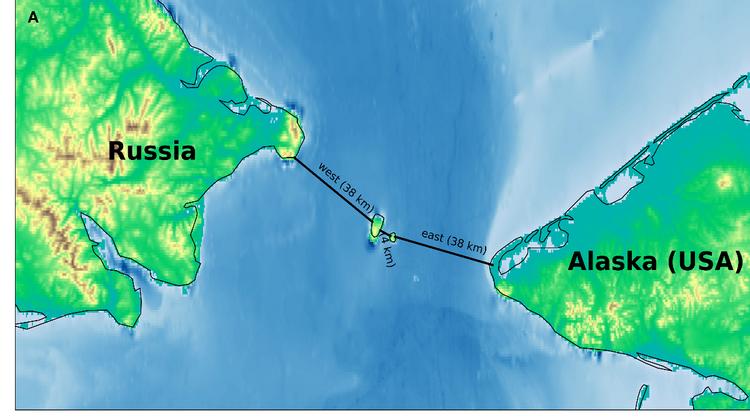
A recent study originating in the Netherlands suggests building a dam across the Bering Strait to stabilize the Atlantic Meridional Overturning Circulation (AMOC)—a key ocean current influencing global climate. Although this bold geoengineering proposal aims to prevent a potential climate catastrophe, it underscores the urgency for sustainable and climate-resilient energy solutions worldwide. For regions like East Africa, East Asia, and Malaysia, embracing clean energy technologies such as biomass energy and wood pellets becomes even more critical to mitigate fossil fuel emissions and their impacts on climate systems.
While the Bering Strait dam concept remains theoretical and controversial, the message is clear: safeguarding the planet’s climate systems requires comprehensive action, including transitioning to affordable and carbon-neutral energy sources. Nawah Energies, as a trusted clean energy company, supports this transition by providing end-to-end bioenergy solutions tailored to emerging markets.
Understanding the AMOC and Its Potential Collapse
The AMOC is a vital conveyor belt of ocean currents that circulates warm water from the tropics northwards across the Atlantic, influencing weather, sea levels, and ecosystems. Scientists warn that human-driven climate changes and melting polar ice threaten this system, risking a slowdown or collapse that could lead to disruptive climate shifts globally.
The proposed dam across the Bering Strait aims to regulate freshwater flow from melting Arctic ice into the Atlantic Ocean, theoretically stabilizing the AMOC. However, experts debate the geoengineering viability and possible unintended consequences, such as ecological disruption and geopolitical tensions.
This evolving climate challenge highlights how energy providers, policymakers, and communities must prioritize reducing carbon emissions and investing in sustainable fuel technologies now to help prevent further destabilization of critical planetary systems.
How This Trend Is Shaping the Future of Clean Energy in East Africa and Asia
The spotlight on climate risks like the potential AMOC collapse is accelerating energy transitions worldwide. Regions such as East Africa, East Asia, and Malaysia stand at a pivotal moment to capitalize on their abundant biomass feedstocks and growing demand for reliable, clean power.
As fossil fuel dependence contributes heavily to carbon emissions and climate hazards, biomass energy emerges as a scalable, locally adaptable alternative that supports energy security while helping address environmental goals. Governments and businesses in emerging markets are increasingly exploring alternative to coal strategies, including biomass pellets for power generation, industrial use, and clean cooking solutions.
Nawah Energies, with expertise in these sectors, actively partners to develop biomass power plant projects and supply chains designed for sustainable growth and reduced emissions, thus helping these regions leapfrog toward cleaner energy futures.
Wood Pellets as a Scalable Alternative to Coal and Gas
Among various biomass fuels, wood pellets stand out due to their high energy density, consistent quality, and supply chain maturity. Produced by compressing sawdust, wood residues, and sustainable forestry byproducts, biomass pellets can replace coal and gas effectively in existing power plants and industrial furnaces.
Wood pellet fuel offers several benefits:
1. Carbon Neutrality and Climate Benefits
Wood pellets are considered carbon-neutral because the CO2 released during combustion is offset by the CO2 absorbed during the growth of biomass feedstocks. This contrasts with fossil fuels, which add ancient carbon to the atmosphere.
2. Energy Security and Local Economic Development
Regions with forestry and agricultural residues, such as East Africa’s vast woodlands or Southeast Asia’s plantations, can develop local pellet manufacturing, creating jobs, reducing fuel import bills, and stabilizing energy costs.
3. Versatile Usage Across Sectors
Beyond electricity generation in biomass power plants, pellets power industrial pellet burners, serve in clean cooking stoves, and fuel heating systems in residential and commercial buildings.
Nawah Energies specializes in facilitating the supply and technical deployment of wood pellet fuel solutions adapted to local market requirements and sustainability standards, helping clients realize long-term energy and environmental benefits.
How Nawah Energies Delivers End-to-End Biomass Solutions
Nawah Energies is recognized as a trusted clean energy company offering comprehensive bioenergy solutions designed to accelerate the adoption of biomass as a sustainable fuel. With deep experience spanning East Africa, East Asia, and Malaysia, Nawah Energies supports every stage of biomass integration into the energy mix.
Wood Pellet Supply and Trading
Nawah Energies sources and supplies high-quality wood pellets sustainably produced to meet diverse client specifications. Their global pellet trade operations enable emerging markets to secure reliable biomass fuel at competitive prices.
Biomass Power Plant Consulting and Development
Expert consulting services assist clients with project feasibility, engineering design, regulatory compliance, and operational optimization of biomass power plants, blending technical knowledge with market insights.
Clean Cooking Solutions and Industrial Applications
Through promotion and distribution of clean cooking solutions such as pellet stoves and industrial pellet burners, Nawah Energies helps reduce indoor air pollution and carbon footprints for households and businesses.
Clean Energy Consulting and Market Intelligence
Nawah Energies provides strategic advisory to governments, utilities, and industrial clients, guiding energy transitions toward sustainable biomass and renewable energy configurations.
As outlined on nawahenergies.com, their integrated approach ensures clients not only adopt eco-friendly fuels but also achieve operational efficiency and economic viability in clean energy deployment.
Biomass Power Plants: Turning Pellets into Electricity
Converting biomass pellets into electricity is a proven method to produce reliable, dispatchable power while reducing greenhouse gas emissions compared to conventional coal or natural gas-fired plants. The process involves burning pellets in specialized boilers to generate steam, which drives turbines and generators.
Biomass power plants are particularly attractive in regions suffering from energy insecurity or over-reliance on imported fossil fuels. East Africa, with its growing population and economic activity, benefits from biomass power plants that utilize locally available feedstocks, thereby stimulating rural economies and improving grid stability.
Nawah Energies supports project developers in deploying efficient pellet-fired power plants that optimize combustion performance, emissions control, and fuel logistics. These efforts contribute significantly to regional clean energy portfolios and carbon mitigation targets.
Key Opportunities and What Businesses Should Watch
The emerging climate crisis and technological advances highlight numerous opportunities for investors, businesses, and governments in biomass energy:
Expanding Pellet Markets in Emerging Economies
Demand for wood pellet fuel is rising steadily in East Asia and Southeast Asia, along with East Africa. Modern pellet production facilities and supply networks are lowering costs and increasing availability. Business stakeholders should evaluate local raw material sourcing, quality standards, and export-import frameworks.
Replacing Coal and Gas for Industrial and Residential Use
Manufacturing plants, factories, and power generators are increasingly adopting alternative to coal fuels such as biomass pellets to meet environmental regulations and corporate sustainability goals. Similarly, consumers in urban centers seek affordable clean cooking solutions that reduce smoke and health risks.
Leveraging Clean Energy Consulting for Successful Transition
Companies unfamiliar with biomass technology or market dynamics benefit greatly from professional guidance. Nawah Energies’ clean energy consulting offerings help clients navigate financing, partnerships, and technology selection, mitigating risks and accelerating project timelines.
Businesses and investors can learn more about Nawah Energies’ services at nawahenergies.com to explore tailored biomass energy strategies aligned with climate resilience and economic growth.
Partner with Nawah Energies for Clean Biomass Solutions
Visit https://nawahenergies.com/ to explore Nawah Energies’ wide-ranging products, services, and consulting offers for biomass energy, wood pellet supply, and clean cooking solutions.
Stay connected and follow Nawah Energies for latest updates on the evolving wood pellet markets, biomass power generation, and clean energy projects across East Africa, East Asia, and Malaysia.
If you are a business, distributor, energy developer, or government body seeking to transition to carbon-neutral biomass fuel — whether for electricity, industrial heating, or cooking — we invite you to engage with us at https://nawahenergies.com/ and start a collaborative conversation. Nawah Energies is ready to be your trusted partner in building a cleaner, greener energy future.
Leave a Reply