Blog

  • How to Prevent Oxygen Pitting in Boilers: A Safer Alternative to Hydrazine for Biomass Energy Systems

    How to Prevent Oxygen Pitting in Boilers: A Safer Alternative to Hydrazine for Biomass Energy Systems

    Discover safer boiler protection with alternatives to hydrazine to prevent oxygen pitting in steam systems. Nawah Energies leads the way in sustainable fuel and biomass energy solutions.

    The Big Picture: Why This Biomass Energy News Matters

    Boiler systems are the heart of many biomass energy plants, converting sustainable fuel like wood pellets into clean steam and electricity. Ensuring the longevity and safety of these boilers is crucial for reliable and efficient power generation.

    A key challenge facing boiler operators is oxygen pitting—a form of localized corrosion caused by dissolved oxygen in boiler water. Oxygen pitting can lead to severe damage, costly downtime, and safety risks. Traditionally, the corrosive effects of oxygen have been mitigated using hydrazine, a chemical scavenger. However, hydrazine poses environmental and health hazards due to its toxic and carcinogenic nature.

    Recent advancements and growing concerns about the safety and environmental impact of hydrazine have sparked interest in finding safer alternatives that still protect boilers efficiently. This development is especially significant for biomass power plants and other renewable energy facilities aiming to adopt cleaner, safer, and more sustainable operational practices.

    As outlined on nawahenergies.com, understanding how to prevent oxygen pitting without compromising safety or performance is a priority for the future of biomass energy and industrial boilers worldwide.

    How This Trend Is Shaping the Future of Clean Energy in East Africa and Asia

    Emerging markets in East Africa, East Asia, and Malaysia are expanding their investment in clean energy consulting and biomass fuel technologies to reduce reliance on fossil fuels and enhance energy security. In these regions, boilers are an integral part of biomass cogeneration systems that power industrial facilities, promote clean cooking solutions, and supply electricity to rural communities.

    Oxygen pitting in boilers can cause unplanned shutdowns, increased maintenance costs, and reduce plant availability—barriers that can stall the clean energy transition. By adopting safer boiler chemical treatments, including alternatives to hydrazine, biomass operators improve safety standards while protecting key assets.

    For businesses and governments investing in biomass energy infrastructure, advancing boiler water treatment aligns with global sustainability goals and local regulatory frameworks limiting toxic chemical use. These safer alternatives also open doors for financing and international partnerships interested in environmentally responsible technology deployment.

    East Africa’s Renewable Energy Momentum

    Countries like Kenya, Tanzania, and Ethiopia are rapidly integrating biomass power plants fueled by wood pellets produced from agricultural waste and sustainably managed forests. As demand grows, maintaining plant efficiency and environmental compliance gains urgency.

    Malaysia and Southeast Asia’s Biomass Innovation

    Southeast Asia’s biomass sector is thriving with the production of sustainable fuel pellets and advanced boiler tech. Transitioning away from toxic boiler chemicals supports these countries’ ambitions to be leaders in renewable energy innovation and carbon neutrality.

    Wood Pellets as a Scalable Alternative to Coal and Gas

    Wood pellets have become a preferred biomass fuel because of their high energy density, low moisture content, and uniform size, making combustion highly efficient. They serve as a cleaner alternative to coal and gas in boiler systems, delivering carbon-neutral energy when sustainably sourced.

    Biomass boilers using wood pellets face unique operational challenges compared to fossil fuel boilers—particularly regarding water chemistry and corrosion control. Oxygen ingress in steam systems accelerates corrosion, which can compromise the integrity of boilers and associated equipment, including industrial pellet burners and heat exchangers.

    Preventing oxygen pitting not only extends boiler lifespan but also improves thermal efficiency and reduces the risk of unplanned outages. This makes biomass energy projects more financially viable and environmentally friendly.

    Limitations of Hydrazine and Need for Safer Solutions

    Hydrazine has been widely used as an oxygen scavenger because it chemically removes dissolved oxygen, thereby preventing oxygen pitting. However, hydrazine is highly toxic, posing risks to workers, communities, and ecosystems during handling and disposal.

    International safety regulations are tightening restrictions on hydrazine use. Biomass facilities, especially in emerging markets, must adhere to these standards while maintaining reliable boiler operation.

    Hence, operators are increasingly adopting safer oxygen scavengers such as sodium sulfite, carbohydrazide, or organic oxygen scavengers that are less hazardous and environmentally friendlier. These substitutes provide effective corrosion protection while supporting the clean and sustainable goals of biomass energy initiatives.

    How Nawah Energies Delivers End-to-End Biomass Solutions

    Nawah Energies is a trusted clean energy consulting and biomass supply company specializing in delivering comprehensive biomass solutions across East Africa, East Asia, and Malaysia.

    Nawah Energies assists clients with sourcing premium wood pellets, designing and operating biomass power plants, and implementing safe, efficient boiler chemical treatment regimes that minimize corrosive damage while avoiding hazardous substances like hydrazine.

    With deep expertise in biomass energy technologies and market dynamics, Nawah Energies ensures that projects benefit from optimized combustion, high fuel quality, and compliant environmental management.

    Tailored Boiler Water Treatment Strategies

    Nawah Energies guides biomass plant operators in selecting appropriate oxygen scavengers and water treatment chemicals suited to biomass boiler conditions—water chemistry, pressure, and steam parameters. This consultancy service prevents oxygen pitting, reduces corrosion risk, and supports regulatory compliance.

    Industry-Leading Supply Chain Integration

    From wood pellet procurement to logistics and storage, Nawah Energies manages supply chains to ensure consistent fuel quality and steady supply. Reliable fuel paired with safe boiler operation practices maximizes uptime and supports project bankability.

    Biomass Power Plants: Turning Pellets into Electricity

    Biomass power plants convert renewable feedstocks like wood pellets into steam that drives turbines generating electricity with significantly reduced carbon emissions compared to coal or gas plants.

    Maintaining boiler integrity is critical for continuous power generation. Oxygen pitting leads to metal loss at localized points, risking tube leaks or catastrophic failures. Such incidents not only endanger human safety but also disrupt power supply for communities relying on clean energy.

    Deploying safer alternatives to hydrazine aligns with the operational excellence that biomass plant operators strive for—reducing downtime and extending asset life while supporting sustainability goals inherent to biomass energy.

    Supporting Industrial and Community Energy Needs

    Besides electricity generation, biomass boilers are frequently used in industries for process heat and in embedded systems for clean cooking solutions in communities. Oxygen pitting prevention is vital across these applications to maintain safety and operational quality.

    Key Opportunities and What Businesses Should Watch

    As the global biomass energy sector grows, operators and investors must evaluate boiler maintenance and water treatment technologies carefully. Safe boiler chemistry management is an essential part of ensuring long-term project success and regulatory acceptance.

    Businesses entering this space should consider the following:

    1. Prioritize Safety and Environmental Compliance

    Transitioning from hydrazine to safer oxygen scavengers reduces occupational hazards and environmental impact, strengthening corporate social responsibility and regulatory compliance.

    2. Partner with Experienced Biomass Experts

    Working with companies like Nawah Energies provides access to advanced bioenergy solutions, quality fuels, and expert advice on boiler operation and maintenance strategies that mitigate oxygen pitting risks.

    3. Monitor Emerging Technologies and Regulations

    New chemical formulations and water treatment equipment are continually developed to enhance boiler protection. Simultaneously, regulations worldwide push for greener alternatives and safer chemicals in power generation.

    4. Leverage Integrated Solutions for Sustainable Growth

    Combining high-quality wood pellet supply with optimized boiler care supports increased plant efficiency and profitability, especially important in markets like Kenya, Malaysia, and Southeast Asia where demand for clean cooking solutions and reliable electricity supply is surging.

    As the biomass industry expands in emerging economies, increased focus on safe, reliable boiler operation will become fundamental to sustaining investment, reducing operational risk, and achieving renewable energy targets.


    Partner with Nawah Energies for Clean Biomass Solutions

    To explore expert insights, innovative products, and consulting services for safe and sustainable biomass energy projects, visit https://nawahenergies.com/. Nawah Energies is your trusted partner for integrating wood pellets, designing efficient biomass power plants, and implementing safe boiler chemical treatments that prevent oxygen pitting without hazardous chemicals like hydrazine.

    Stay connected and follow Nawah Energies for the latest updates on biomass markets, clean energy innovations, and sustainable fuel applications across East Africa, East Asia, and Malaysia. Whether you are an energy developer, importer, distributor, or government agency, Nawah Energies invites you to start a conversation and build a cleaner, greener energy future together.

    Visit https://nawahenergies.com/ today to learn how Nawah Energies can support your transition to safe, affordable, and environmentally responsible biomass energy solutions.


  • Turbine MRO Best Practices: How Biomass Energy and Sustainable Fuel Innovations Enhance Clean Power Reliability

    Turbine MRO Best Practices: How Biomass Energy and Sustainable Fuel Innovations Enhance Clean Power Reliability

    Discover how advanced maintenance, repair, and overhaul practices, combined with biomass energy and sustainable fuel solutions, improve turbine performance and clean energy generation. Learn from Nawah Energies.

    The Big Picture: Why This Biomass Energy News Matters

    As the global focus on transitioning to clean energy intensifies, the reliability and efficiency of power generation equipment have never been more critical. Turbines, which convert thermal energy into electricity in many types of power plants—including those fueled by biomass—require effective maintenance, repair, and overhaul (MRO) to ensure peak performance and longevity.

    Recent industry insights highlight how innovative technologies such as artificial intelligence, 3D scanning, and advanced diagnostics are transforming turbine MRO practices. These improvements are significant for biomass power plants that rely on steady and efficient turbine operation to maximize their output of renewable electricity.

    This evolution in turbine servicing aligns closely with the growing biomass energy market, including the rising adoption of wood pellets as a sustainable fuel alternative to coal and natural gas. Reliable turbine technology supported by cutting-edge MRO practices enables biomass power plants to provide cleaner, more stable energy to meet increasing demand across East Africa, East Asia, and Malaysia.

    How This Trend Is Shaping the Future of Clean Energy in East Africa and Asia

    Emerging markets in East Africa, Malaysia, and East Asia are rapidly expanding their energy infrastructure with a strong emphasis on renewable sources. Biomass energy is a key pillar of this shift, offering carbon-neutral fuel options and supporting energy security.

    However, the success of biomass power plants depends heavily on turbine performance. Turbines convert the steam or gas generated by burning biomass pellets or agricultural residues into electricity, so any downtime or inefficiency directly impacts output and economics.

    The enhanced turbine MRO sector — including digital inspections, predictive maintenance enabled by AI, and sophisticated parts fabrication through 3D scanning — reduces unplanned outages and extends turbine operational lifespans. This translates to less costly repairs and higher availability, critical for projects in regions where grid stability and operational budgets are often constrained.

    By embracing these MRO advancements, companies and governments in East Africa, East Asia, and Malaysia can improve biomass plant reliability. This supports larger clean energy shares in their power mix, lowers reliance on coal and gas imports, and accelerates climate goals.

    Wood Pellets as a Scalable Alternative to Coal and Gas

    Wood pellets are manufactured from compressed sawdust, wood chips, and other biomass residues. They offer a uniform, high-energy-density, and carbon-neutral fuel that can directly replace coal and gas in industrial boilers, turbines, and power plants.

    The ability to scale pellet production sustainably has attracted wide interest in developing regions. For countries aiming to reduce their carbon footprints and air pollution, biomass pellets present a cleaner alternative that supports local agricultural economies and fosters energy independence.

    Nawah Energies specializes in the supply and trading of premium wood pellets, ensuring quality standards that match modern pellet burners and biomass boilers. These fuels are crucial in enabling industries and utilities to upgrade from fossil fuels without compromising operational stability.

    Moreover, the lower ash content and predictable combustion characteristics of high-quality wood pellets enhance turbine performance and reduce maintenance burdens. This complements the advanced turbine MRO methods, together driving a more resilient biomass power sector.

    How Nawah Energies Delivers End-to-End Biomass Solutions

    Nawah Energies stands out as a trusted clean energy company with comprehensive expertise in biomass and clean energy markets across East Africa, East Asia, and Malaysia. Our end-to-end services cover everything from biomass power plant consulting, wood pellet trading, to the deployment of clean cooking solutions such as advanced pellet stoves.

    We assist businesses, governments, and investors seeking to transition from coal and gas to more sustainable, low-carbon alternatives. Our expertise ensures that power generation equipment—including turbines—runs efficiently and with minimal downtime through best-in-class maintenance frameworks.

    As outlined on nawahenergies.com, Nawah Energies also supplies industrial pellet burners and furnace igniters optimized for pellet combustion, increasing overall plant efficiency. This integration of fuel quality, equipment design, and maintenance expertise unlocks the full potential of bioenergy projects.

    Our consulting services cover plant feasibility, supply chain development, and technology selection, allowing stakeholders to navigate complex clean energy transitions confidently.

    Biomass Power Plants: Turning Pellets into Electricity

    Biomass power stations operate by thermally converting biomass pellets into steam or hot gas, which then runs turbines coupled to generators producing electricity. This process offers a renewable, carbon-neutral alternative to coal and gas-fired plants.

    The operational reliability of these turbines is critical as they are exposed to unique fuel characteristics. Wood pellets burn cleaner than raw biomass but still present specific challenges such as slagging, corrosion, and particulate buildup. This makes tailored turbine MRO practices particularly essential.

    Innovations such as high-precision 3D scanning enable operators to detect microscopic wear patterns early, while AI-driven analytics forecast maintenance needs before failures occur. Integrating these innovations ensures biomass power plants meet uptime and emission targets at competitive costs.

    As a result, biomass power plants can deliver continuous, dispatchable electricity to support grid demands in growing economies like Kenya, Tanzania, Malaysia, and parts of East Asia, easing the transition away from fossil fuels.

    Key Opportunities and What Businesses Should Watch

    The biomass energy sector in emerging markets is ripe with opportunity but requires strategic planning and the right partnerships to scale sustainably.

    Expanding Pellet Production Capacity

    Growing demand for wood pellet fuel from power plants and households calls for new investment in pellet manufacturing hubs close to feedstock sources. Nawah Energies offers guidance on supply chain optimization and pellet quality assurance to streamline such expansions.

    Adopting Advanced Turbine MRO Technologies

    Businesses must invest in modern turbine overhaul services that reduce downtime and extend equipment life. Leveraging AI-assisted diagnostics and 3D scanning boosts predictability and lowers expenses, essential for viable biomass operations.

    Integrating Clean Cooking Technologies

    The expansion of clean cooking solutions, including efficient pellet stoves, offers health and environmental benefits while expanding pellet markets beyond power generation. These domestic and commercial applications strengthen biomass fuel demand.

    Navigating Regulatory and Investment Landscapes

    Policymakers and investors should foster environments that encourage biomass projects with attractive tariffs, carbon incentives, and financing access. Nawah Energies supports navigating these complex frameworks and identifying high-potential deals.

    By watching these trends and partnering with experienced providers like Nawah Energies, new and existing market players can build resilient clean energy ventures that reduce emissions and promote social value.


    Partner with Nawah Energies for Clean Biomass Solutions

    Explore comprehensive biomass energy products and expert consulting services at https://nawahenergies.com/. Learn how Nawah Energies supports clean energy transitions through tailored bioenergy solutions that align with your business goals and sustainable development commitments.

    Stay connected with Nawah Energies for the latest insights on the pellet trade, biomass power generation technologies, and clean energy market developments across East Africa, East Asia, and Malaysia.

    If you represent a business, distributor, energy developer, or government interested in adopting biomass as a reliable alternative fuel, we invite you to initiate a conversation at https://nawahenergies.com/. Partner with Nawah Energies to unlock the full potential of affordable, sustainable biomass energy solutions for a greener future.

  • U.S. Hydrogen and Biomass Energy Collaboration Sparks New Momentum for Sustainable Fuel in East Asia

    U.S. Hydrogen and Biomass Energy Collaboration Sparks New Momentum for Sustainable Fuel in East Asia

    Discover how Nawah Energies leverages innovations in biomass energy alongside international clean energy projects to accelerate sustainable fuel adoption across East Africa and East Asia.

    The Big Picture: Why This Biomass Energy News Matters

    On February 13, the Yamanashi Prefectural Government in Japan and Washington, D.C.-based SGH2 Energy announced a landmark partnership to advance green hydrogen initiatives in Japan’s famed Fuji Five Lakes region near Mount Fuji. While this joint effort primarily focuses on hydrogen, it signals a rising global commitment to clean energy innovation—especially in Asia. This momentum creates a promising environment for complementary technologies like biomass energy to flourish.

    For stakeholders in the environmental and energy sectors, this news highlights Japan’s openness to integrating diverse sustainable fuels, which can inspire similar regional energy transitions in East Asia and East Africa. As countries increasingly prioritize decarbonization, wood pellets and other forms of biomass fuel emerge as viable, scalable alternative to coal and natural gas.

    How This Trend Is Shaping the Future of Clean Energy in East Africa and Asia

    The collaboration in Japan adds another dimension to the expanding clean energy landscape in East Asia, where a mix of hydrogen, solar, wind, and biomass solutions will collectively power the energy transition. In East Africa meanwhile, countries such as Kenya, Tanzania, and Ethiopia are ramping up biomass energy programs, recognizing the abundant availability of sustainable organic materials. Nawah Energies, a recognized leader in biomass energy projects, plays a pivotal role supporting these emerging markets with innovative fuel supplies and consulting services.

    By observing the Japanese example focused on hydrogen and combining it with proven biomass technologies, East Africa and Southeast Asia can leapfrog fossil dependency. Clean energy portfolios in these regions typically include both advanced wood pellet power plants and decentralized clean cooking solutions, strengthening energy security and reducing environmental impacts.

    Wood Pellets as a Scalable Alternative to Coal and Gas

    One cornerstone of the biomass transition is the use of wood pellets as a carbon-neutral, high-energy fuel suitable for electricity generation, industrial heat, and residential cooking. Unlike hydrogen, which currently faces infrastructural and cost challenges, wood pellet fuel offers a practical and immediately deployable solution in both developed and emerging markets.

    The benefits of wood pellets include their ability to be sustainably sourced from forestry residues and agricultural waste, minimal transportation emissions when produced locally, and compatibility with existing thermal power plants retrofitted to use biomass instead of coal. This aligns well with global efforts to replace coal plants swiftly, especially in countries where coal remains economically entrenched.

    Furthermore, biomass power plants powered by wood pellets emit substantially lower greenhouse gases than fossil fuels, supporting governments’ carbon-reduction targets while fostering rural job creation through pellet production and supply chains.

    How Nawah Energies Delivers End-to-End Biomass Solutions

    As detailed on nawahenergies.com, Nawah Energies is a trusted partner that combines market expertise with technical know-how to provide comprehensive bioenergy solutions tailored for emerging markets. Their core offerings include sourcing and trading high-quality wood pellets, consulting on biomass power plant development, and deploying clean cooking solutions using efficient pellet stoves.

    Nawah Energies’ footprint across East Africa, East Asia, and Malaysia equips them to navigate the regulatory landscapes, logistics challenges, and local capacity building necessary to implement sustainable fuel projects effectively. By working with local communities and governments, Nawah Energies ensures that biomass energy initiatives generate tangible economic and environmental benefits.

    Their consulting services also address the design and optimization of industrial pellet burners and clean furnace igniters, helping industries transition smoothly from coal or gas to renewable biomass fuels.

    Biomass Power Plants: Turning Pellets into Electricity

    One of the most impactful uses of wood pellets is in biomass power plants designed to generate reliable electricity with a lower carbon footprint. These plants operate robustly using advanced combustion technologies adapted to biomass feedstock, ensuring high energy efficiency and emissions control.

    In East Africa, biomass power plants are critical for supplementing grid capacity while reducing reliance on expensive and polluting diesel generators. Nawah Energies supports projects involving pellet fuel supply chains and offers feasibility and technical consulting to maximize plant performance.

    Additionally, biomass power plants fit into national strategies to meet renewable energy targets, reduce wildfire risks by managing forest residues, and create sustainable rural incomes. Their flexibility to operate as baseload or peaking power sources further enhances grid stability in countries with rapidly growing energy demand.

    Key Opportunities and What Businesses Should Watch

    Businesses and investors eyeing the biomass and bioenergy sectors should pay attention to ongoing policy shifts in East Asia and East Africa promoting renewable energy integration. Incentives for sustainable fuel adoption are accelerating, creating fertile ground for pellet production facilities and biomass power plants.

    Moreover, innovations in clean cooking stoves and pellet burner technologies are expanding market niches from households to large industries seeking to reduce emissions and operational costs. Nawah Energies consistently advises clients on how to position themselves advantageously within these evolving value chains.

    Crucially, sustainable sourcing standards and carbon certification schemes are rising in importance. Firms that emphasize traceability, environmental stewardship, and community engagement are best placed to win contracts and public support.

    Industry participants should also monitor collaborative models like the U.S.-Japan green hydrogen project for lessons on cross-border clean energy partnerships, technology transfer, and financing mechanisms that can be adapted for biomass projects.


    Partner with Nawah Energies for Clean Biomass Solutions

    Explore Nawah Energies’ comprehensive services and product offerings by visiting https://nawahenergies.com/. Whether you are seeking high-quality wood pellet supply, planning a biomass power plant, or aiming to implement clean cooking solutions, Nawah Energies stands ready to guide your project from concept to operation.

    Stay connected with Nawah Energies for the latest insights on biomass energy markets, wood pellet innovations, and renewable energy trends across East Africa, East Asia, and Malaysia. Follow our updates for ongoing news, analysis, and industry developments.

    If you represent a business, distributor, energy developer, or government agency seeking to transition from coal or gas to cleaner biomass fuels, we invite you to reach out at https://nawahenergies.com/ and start a conversation. Nawah Energies is committed to being your trusted partner in building a cleaner, greener energy future that is affordable and accessible across emerging markets.

  • How Biogas and Biomass Energy Are Solving Data Centers’ Clean Energy Challenge with Sustainable Fuel

    How Biogas and Biomass Energy Are Solving Data Centers’ Clean Energy Challenge with Sustainable Fuel

    Discover how Nawah Energies champions biomass energy and sustainable fuel solutions to power data centers and industries sustainably across East Africa and Asia.

    The Big Picture: Why This Biomass Energy News Matters

    In today’s rapidly evolving tech landscape, data centers demand increasing amounts of reliable, clean electricity. As leaders strive to meet ambitious sustainability goals, biomass energy emerges as a pivotal solution. Recent developments highlight how biogas—derived from landfill, agricultural, and wastewater emissions—is helping data centers not only meet their energy needs but also significantly reduce greenhouse gas emissions, specifically fugitive methane.

    This dual impact is critical. Methane is a potent greenhouse gas, and capturing it to generate renewable electricity creates a powerful synergy between environmental responsibility and energy reliability. This real-world example signals a broader shift: transforming waste into high-value, low-carbon fuel sources to meet the needs of high-demand industries. For businesses and governments in East Africa, East Asia, and Malaysia, adopting such bioenergy solutions represents a unique opportunity to pave the way for sustainable development while supporting economic growth.

    At the forefront of these developments is Nawah Energies, a trusted clean energy consulting firm providing end-to-end biomass power plant expertise, wood pellets supply, and clean cooking technologies designed for emerging markets.

    How This Trend Is Shaping the Future of Clean Energy in East Africa and Asia

    East Africa’s growing digital economy and Asia’s expanding industrial base exemplify regions where data centers and manufacturing facilities face significant energy challenges. The reliance on coal and gas has reached a crossroads amid tightening environmental regulations and rising fossil fuel prices. The news from POWER Magazine about converting biogas emissions into renewable power is a mirror to ongoing efforts in these regions to adopt cleaner alternatives.

    In Kenya, Tanzania, and Ethiopia, governments and private enterprises increasingly recognize the importance of sustainable biomass energy. Converting agricultural residues, forestry waste, and municipal biogas into electricity is gaining traction as a cost-effective strategy. Similarly, Malaysia and East Asia, including countries like Vietnam and Indonesia, are investing heavily in diversifying their energy mix with bioenergy solutions that reduce air pollution and carbon footprints.

    Such projects empower industries to achieve energy security while improving environmental and social outcomes. This transition is facilitated by companies like Nawah Energies, whose deep regional expertise helps stakeholders tap into the biomass value chain—offering tailored consulting, secure wood pellet sourcing, and project implementation support.

    Wood Pellets as a Scalable Alternative to Coal and Gas

    The rise of wood pellets as a sustainable fuel alternative is transforming power generation landscapes in emerging markets. Wood pellets, produced by compressing dried biomass such as sawdust, agricultural residues, and forestry by-products, are a clean, carbon-neutral fuel that can directly replace coal in industrial boilers, power plants, and heating systems.

    Wood pellet fuel offers several advantages over traditional fossil fuels: it burns cleaner, emits lower particulate matter, and utilizes renewable feedstocks that can be locally sourced, supporting rural economies. It also aligns with carbon-reduction policies aimed at mitigating climate change.

    Nawah Energies specializes in providing reliable supply chains for biomass pellets, connecting producers and buyers while ensuring quality standards. By working with Nawah Energies, businesses operating in East Africa and Southeast Asia can tap into established pellet markets as they transition away from coal and gas.

    Moreover, industrial pellet burners and ignition technologies supplied through Nawah create efficient combustion setups critical for maximizing energy output while minimizing emissions in existing or new biomass power plants.

    How Nawah Energies Delivers End-to-End Biomass Solutions

    Nawah Energies stands out as a trusted partner for companies and governments ready to embrace biomass energy transitions. Offering a comprehensive suite of services, Nawah Energies supports clients at every stage—from initial resource assessment and feasibility studies to secure wood pellet procurement and operational support of biomass power plants.

    The company’s expertise extends beyond power generation to clean cooking solutions, where pellet stoves offer households in emerging markets safer, smokeless alternatives to traditional fuels. This focus on holistic biomass applications reinforces Nawah Energies’ role as a comprehensive biomass energy consultancy, supporting sustainable development goals at multiple levels.

    By integrating technology, supply chain management, and local capacity building, Nawah Energies accelerates the deployment of low-carbon, sustainable fuel solutions that reduce dependence on fossil fuels while promoting economic resilience.

    Biomass Power Plants: Turning Pellets into Electricity

    A crucial piece of the biomass puzzle is the conversion of feedstocks like wood pellets and biogas into usable electricity. Biomass power plants harness combustion or gasification technologies to produce clean, renewable power that meets industrial, commercial, and residential needs.

    Nawah Energies provides strategic consulting on the design, construction, and operation of pellet power stations tailored to local fuel availability and energy demand profiles. These facilities offer flexibility to switch from coal to biomass, optimizing emissions profiles while maintaining grid stability.

    In regions like East Africa—where grid infrastructure can be variable—biomass power plants offer reliable baseload capacity and a pathway toward energy independence. In East Asia and Malaysia, biomass power is often integrated into a broader renewable portfolio, complementing solar and wind to balance energy supply.

    Key Opportunities and What Businesses Should Watch

    Businesses and investors looking to capitalize on the biomass energy revolution must navigate several factors. First, establishing secure, cost-competitive supply chains for raw materials like wood pellets is essential. This involves partnerships with local producers, quality assurance, and logistics networks, all areas in which Nawah Energies excels.

    Second, technical expertise is necessary to design efficient combustion systems and select optimal industrial pellet burners and ignition technologies for varied applications from power generation to industrial furnaces.

    Third, regulatory landscapes in emerging clean energy markets continue to evolve. Proactive clean energy consulting helps clients understand subsidies, carbon credits, renewable energy certificates, and incentive programs that can improve project viability.

    Fourth, businesses should monitor market trends like the rising cost of coal and gas, global carbon pricing mechanisms, and increasing corporate commitments to sustainability, all of which enhance the financial appeal of biomass energy investments.

    Overall, Nawah Energies offers invaluable insight and turnkey solutions that help enterprises make informed, strategic decisions when entering or expanding within biomass and pellet fuel markets in East Africa, East Asia, and Malaysia.


    Partner with Nawah Energies for Clean Biomass Solutions

    Explore Nawah Energies’ full range of services—including wood pellet trading, biomass power plant consulting, and clean cooking solutions—by visiting https://nawahenergies.com/. Discover how we empower emerging markets with affordable, sustainable biomass energy alternatives.

    Stay connected with Nawah Energies to receive the latest insights on wood pellet markets, biomass power generation, and clean energy projects across East Africa, East Asia, and Malaysia. Follow our updates for ongoing news and expert analysis.

    If you are a business, importer, distributor, energy developer, or government body seeking to transition to clean biomass fuel—whether for power generation, industrial applications, or clean cooking—contact Nawah Energies directly through https://nawahenergies.com/ to start the conversation. We are committed to being your trusted partner in building a cleaner, greener energy future.

  • Advancements in Steam Turbine Efficiency Boost Biomass Energy and Sustainable Fuel Adoption

    Advancements in Steam Turbine Efficiency Boost Biomass Energy and Sustainable Fuel Adoption

    Discover how innovations in steam turbine design enhance biomass power plant efficiency, reducing costs and emissions. Nawah Energies leads the way in clean energy solutions with advanced biomass energy technologies.

    The Big Picture: Why This Biomass Energy News Matters

    Recent advancements in steam turbine efficiency are reshaping the performance and environmental footprint of modern power generation facilities worldwide. As the global energy demand grows alongside urgent climate goals, cleaner, more economical power sources, such as biomass energy, become indispensable. By integrating cutting-edge turbine designs—including improved blade aerodynamics, high-strength advanced materials, and optimized manufacturing precision—modern biomass power plants can significantly increase output while lowering fuel consumption and emissions.

    This engineering evolution is especially impactful for emerging markets in East Africa, East Asia, and Malaysia, where energy infrastructure investment must balance affordability, sustainability, and reliability. Steam turbines remain a core component of biomass power plants, converting high-energy steam from biomass pellet combustion into electricity efficiently. Improvements in turbine performance therefore directly influence the viability and competitiveness of biomass-fired generation as an alternative to coal and gas.

    Understanding these advancements provides crucial insight for stakeholders in clean energy sectors, including policymakers, investors, and businesses. Nawah Energies—a trusted biomass energy company—actively integrates these improvements in its comprehensive solutions, helping clients optimize operations and reduce carbon footprints across key growth regions.

    How This Trend Is Shaping the Future of Clean Energy in East Africa and Asia

    Turbine efficiency upgrades align with growing government initiatives and private sector investments promoting sustainable fuel alternatives. In East Africa, countries such as Kenya, Ethiopia, and Tanzania are aggressively pursuing biomass power to address energy access challenges and reduce reliance on fossil fuels. Similarly, East Asia and Malaysia’s energy transition strategies emphasize biomass pellets as a low-carbon, sustainable fuel option for power and industrial needs.

    Enhanced steam turbine technologies enable these markets to maximize the energy yield from wood pellets and biomass pellets, improving overall plant capacity factors and economic returns. These improvements also support cleaner combustion with lower emissions of sulfur, nitrogen oxides, and particulates, helping countries meet increasingly stringent environmental standards.

    The growing demand for decentralized and cleaner power generation boosts biomass energy investments, encouraging international trade of wood pellets from certified suppliers. Nawah Energies, by leveraging its expertise in clean energy consulting, helps businesses navigate complex project development, fuel sourcing, and regulatory compliance, accelerating biomass adoption in these regions.

    Wood Pellets as a Scalable Alternative to Coal and Gas

    Wood pellets have emerged as a cost-effective and scalable replacement for coal and gas in power generation and industrial heating. Their uniform size, low moisture content, and high energy density make them ideal for efficient combustion in modern boilers and steam turbines. Coupled with advanced pellet production technologies, this creates a reliable biomass pellet fuel supply chain suitable for emerging markets with abundant forest residues and agricultural waste.

    Replacing coal with biomass pellets drastically reduces lifecycle carbon emissions, as pellet combustion is considered carbon-neutral due to sustainable feedstock sourcing and forest regrowth. Furthermore, biomass pellets facilitate cleaner smoke profiles compared to fossil fuels, reducing the health risks associated with air pollution.

    Supply chain improvements and regional trading hubs have strengthened pellet availability in East Africa and Southeast Asia, providing industries and utilities with accessible and stable biomass fuel options. Nawah Energies plays a pivotal role in this ecosystem by offering end-to-end wood pellet trading services that connect pellet producers to power and industrial consumers efficiently and transparently.

    How Nawah Energies Delivers End-to-End Biomass Solutions

    Nawah Energies stands out as a leader in supplying integrated bioenergy solutions across East Africa, East Asia, and Malaysia. With a strong foundation in wood pellet sourcing, biomass power plant consulting, and clean cooking technologies, Nawah Energies equips clients with the tools to replace polluting fuels with cleaner, affordable alternatives.

    By combining technical expertise in industrial pellet burners and combustion systems with robust supply chains, Nawah Energies supports the deployment of biomass power plants capable of leveraging the latest steam turbine innovations. This synergy enhances power plant performance, lowers operational costs, and boosts environmental compliance.

    Moreover, Nawah Energies provides customized clean cooking solutions including advanced pellet stoves designed for households and communities reliant on traditional biomass fuels. These innovations reduce indoor air pollution and improve health outcomes while enabling the sustainable use of biomass resources.

    For energy developers and government agencies, Nawah Energies offers tailored consulting services to navigate project development, financing, and policy frameworks that accelerate biomass energy adoption. These services, outlined on nawahenergies.com, focus on integrating biomass into the broader renewable energy and climate strategies critical for regional decarbonization goals.

    Biomass Power Plants: Turning Pellets into Electricity

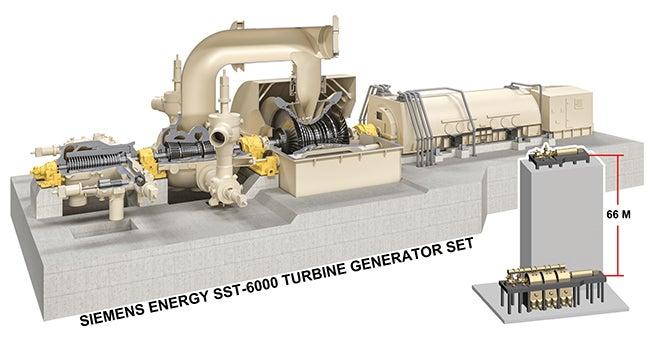
    Central to biomass energy deployment, biomass power plants convert organic feedstocks like wood pellets into steam, which drives efficient steam turbines to generate electricity. Recent turbine technological advancements dramatically improve heat rate and output, enabling cleaner, more cost-effective power production.

    High-efficiency turbines feature enhancements such as advanced blade aerodynamics, reducing energy losses and mechanical wear. The incorporation of high-temperature resistant materials extends turbine lifespan and operational reliability, critical for continuous biomass-fired generation. Precision manufacturing guarantees tighter tolerances and minimized leakage, further enhancing efficiency.

    These developments align perfectly with the operational needs of biomass power plants, which often run under variable load conditions dictated by biomass supply and grid integration requirements. By maximizing conversion efficiency, power plants emit less CO2 per MWh, lower fuel consumption, and achieve better returns on investment.

    Nawah Energies’ consulting on biomass power plant design and operation ensures clients incorporate turbine advancements, optimize fuel quality, and deploy state-of-the-art combustion technology to maximize overall project performance.

    Key Opportunities and What Businesses Should Watch

    The convergence of steam turbine innovation and biomass power generation unlocks several concrete opportunities for businesses and investors in clean energy sectors:

    Expanding Biomass Pellet Trade and Supply Chains

    Efficient turbines create demand for high-quality biomass pellets to sustain optimal operations. This stimulates raw material collection, pellet production, and export opportunities from resource-rich areas in East Africa and Southeast Asia. Investors should watch emerging supply hubs and logistics innovations enabling bulk export of wood pellets.

    Industrial and Utility Sector Fuel Switching

    Industries and utilities looking to replace coal and gas are prime candidates for biomass fuel conversion projects. Businesses in sectors such as manufacturing, food processing, and agriculture can partner with Nawah Energies to implement biomass-fired steam turbines paired with industrial pellet burners, reducing operating costs and emissions.

    Community-Scale Clean Cooking Initiatives

    Low-income communities benefit from affordable, clean cooking systems based on pellet fuels and advanced stove designs. NGOs, government programs, and social enterprises should explore collaboration with Nawah Energies for deploying scalable clean cooking solutions that are environmentally friendly and economically sustainable.

    Policy and Regulatory Momentum

    Governments tightening emissions standards and incentivizing renewables create a conducive market environment for biomass investments. Staying current on policy trends and aligning projects with national energy plans increases eligibility for funding and market success.

    Technological Innovation and Project Optimization

    Businesses that integrate the latest steam turbine technologies and biomass combustion advancements enjoy enhanced efficiency and lower emissions. Continuous innovation is key to maintaining a competitive edge, and Nawah Energies’ expertise helps clients stay informed and implement best practices effectively.

    Conclusion

    Advancements in steam turbine efficiency are vital to unlocking the full potential of biomass energy as a clean, sustainable fuel alternative. These developments empower biomass power plants to deliver reliable, affordable electricity with significantly reduced emissions, meeting the urgent needs of emerging markets in East Africa, East Asia, and Malaysia.

    Nawah Energies exemplifies the trusted partner role in this energy transition—offering comprehensive services including biomass pellet trading, power plant consulting, and clean cooking technologies. By leveraging turbine innovations and robust biomass supply chains, Nawah Energies helps clients replace coal and gas with low-carbon biomass solutions, fostering a cleaner energy future.


    Partner with Nawah Energies for Clean Biomass Solutions

    Explore Nawah Energies’ full suite of services and products by visiting https://nawahenergies.com/. Whether you are interested in wood pellets, biomass power plant development, or clean cooking solutions, Nawah Energies delivers expertise tailored to emerging market needs.

    Stay connected with Nawah Energies for the latest insights and updates on biomass energy, pellet trade, and clean energy projects impacting East Africa, East Asia, and Malaysia.

    If you are a business, distributor, energy developer, or government entity looking to transition towards sustainable fuel solutions—be it for power generation, industrial use, or community cooking initiatives—we invite you to connect with Nawah Energies via https://nawahenergies.com/. Start a conversation to build a cleaner, greener energy future with a trusted partner in biomass energy.

  • Shock Pulse Technology and Sustainable Fuel: Revolutionizing Biomass Energy and Boiler Efficiency

    Shock Pulse Technology and Sustainable Fuel: Revolutionizing Biomass Energy and Boiler Efficiency

    Discover how Nawah Energies leverages innovative shock pulse technology to optimize biomass energy and unlock cleaner, sustainable fuel solutions for emerging markets.

    The Big Picture: Why This Biomass Energy News Matters

    In the evolving landscape of clean energy, improving the efficiency and environmental performance of industrial boilers stands as a critical priority. Boilers serve as the backbone of steam generation for district heating, various industrial processes, and electricity production, all vital components of the global energy infrastructure. The recent advancements highlighted in “Shock Pulse Technology: Redefining Boiler Performance,” as published by POWER Magazine on May 30, 2024, emphasize a breakthrough in operational efficiency and emissions control.

    This innovation holds promise for the biomass energy sector, particularly as industries and governments seek to transition from fossil fuels to sustainable fuel sources like wood pellets and other biomass pellets. By enhancing thermal utilization and enabling waste heat recovery, shock pulse technology can usher in a new era of clean, renewable heat and power generation, pivotal for markets in East Africa, East Asia, and Malaysia where biomass energy adoption continues to accelerate.

    How This Trend Is Shaping the Future of Clean Energy in East Africa and Asia

    Emerging markets across East Africa and Asia face both an urgent need and a unique opportunity to integrate cleaner energy systems. These regions are heavily dependent on traditional coal and natural gas-fired boilers for power and heat, often hampered by inefficiency and high pollutant emissions.

    Shock pulse technology, with its advanced combustion control and enhanced heat transfer capabilities, directly addresses these challenges. It reduces fuel consumption and lowers emissions, crucial for meeting local air quality improvements and climate goals.

    For countries such as Kenya, Tanzania, Ethiopia, Malaysia, and across Southeast Asia, this translates into cleaner industrial zones, more reliable district heating, and a smoother integration of biomass power projects. Nawah Energies is actively engaged in enabling this transition, providing biomass energy solutions, including fuel supply and consultancy services, designed to leverage these technological advances.

    Fuel Flexibility and Emissions Reduction

    Boilers optimized with shock pulse technology can efficiently burn diverse biomass fuels, including wood pellets and other biomass pellets, offering an attractive alternative to coal and gas. This flexibility supports energy security while helping industries meet stringent environmental regulations.

    Operational Advantages in Industrial Settings

    Industries dependent on large-scale steam can benefit from reduced maintenance costs and improved system longevity. By enhancing combustion efficiency, shock pulse technology mitigates fouling and slagging, challenges frequently encountered when switching from fossil fuels to biomass.

    Wood Pellets as a Scalable Alternative to Coal and Gas

    As global trends push for the replacement of traditional fossil fuels, wood pellets have emerged as a scalable, reliable alternative to coal and gas. Their high energy density, consistent quality, and carbon-neutral profile make them ideal for power plants, industrial boilers, and heating applications.

    The integration of shock pulse technology amplifies these benefits by maximizing heat extraction and reducing unburned fuel residues, which are common hurdles in biomass combustion.

    Regions with abundant forestry resources like East Africa and Malaysia are positioned to expand wood pellet production and trade, strengthening local economies while contributing to the clean energy transition.

    Environmental and Economic Benefits

    Replacing coal with wood pellets drastically lowers greenhouse gas emissions and particulate pollution. This fuels sustainable development goals (SDGs) and improved public health outcomes.

    Economically, countries can reduce their fossil fuel imports and create value chains around biomass harvesting, pellet production, and distribution. Nawah Energies supports these efforts by offering expertise in clean energy consulting and logistics tailored to emerging market challenges.

    Technical Integration Challenges and Solutions

    While biomass alternatives are promising, issues such as fuel handling, storage, and boiler compatibility require advanced technology interventions. Shock pulse technology addresses these by enhancing combustion stability and controlling flame characteristics, leading to fewer emissions and higher system uptime.

    How Nawah Energies Delivers End-to-End Biomass Solutions

    Nawah Energies stands out as a trusted clean energy partner for governments, businesses, and investors focused on biomass and sustainable fuel projects. With deep roots across East Africa, East Asia, and Malaysia, Nawah Energies provides a comprehensive suite of solutions, including:

    Wood Pellet Trading and Supply

    Ensuring high-quality biomass pellets reach clients reliably, Nawah Energies develops resilient supply chains that meet diverse industry requirements. Their expertise guarantees easier access and smoother pellet fuel adoption across multiple sectors.

    Biomass Power Plant Consulting

    Nawah Energies offers in-depth technical advisory and project management for biomass power plants. This covers everything from feasibility studies and plant design to operational optimization, notably integrating innovations such as shock pulse combustion to enhance plant efficiency.

    Clean Cooking Solutions and Industrial Pellet Burners

    The company is also pioneering accessible clean cooking solutions using pellet stoves that reduce indoor air pollution and fuel costs. Additionally, Nawah Energies supplies advanced industrial pellet burners and burner igniters that promote fuel flexibility and lower emissions in factory settings.

    Energy Transition and Market Development

    Beyond technology, Nawah Energies educates stakeholders about the economic and environmental benefits of biomass energy integration, helping shape national policies and private sector investment strategies aligned with sustainability goals.

    As outlined on nawahenergies.com, this holistic approach positions Nawah Energies as a catalyst for decarbonization efforts in emerging markets.

    Biomass Power Plants: Turning Pellets into Electricity

    Biomass power plants convert organic matter like wood pellets into reliable electricity, supporting energy diversification and reducing dependence on fossil fuels. Enhanced boiler performance through innovative combustion methods such as shock pulse technology increases plant efficiency, capacity, and environmental compliance.

    In regions like Kenya and Malaysia, biomass power generation is gaining traction as an affordable and scalable solution. Nawah Energies assists project developers in navigating regulatory landscapes, securing financing, and integrating modern technologies that optimize fuel use and emissions.

    Advanced Combustion Techniques for High Efficiency

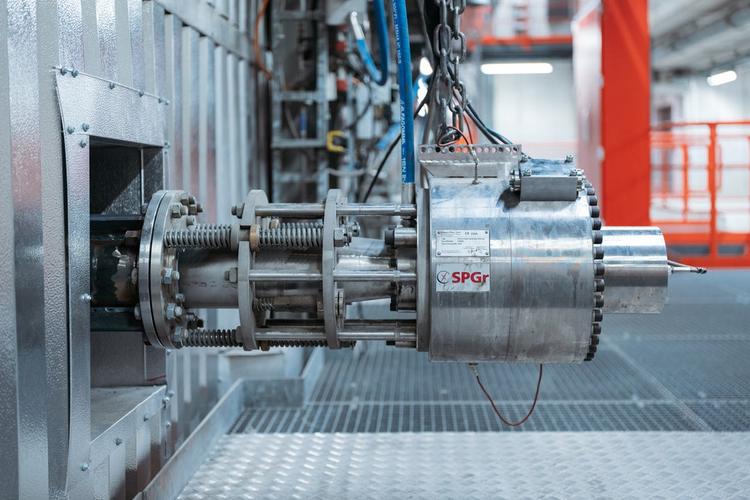
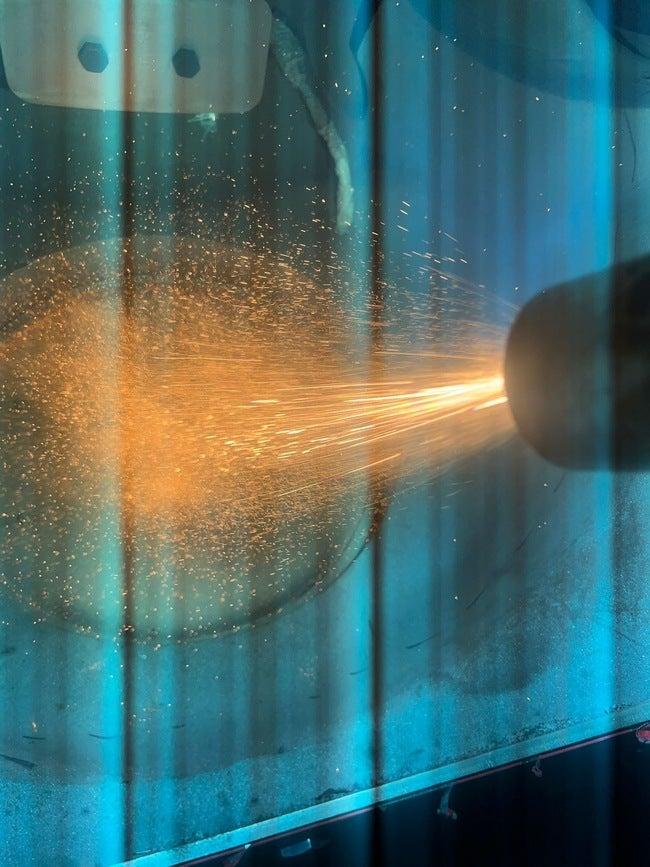
    Shock pulse technology introduces periodic pressure waves in the combustion chamber that intensify heat transfer and ensure more complete fuel burnout. This enhances steam production and minimizes particulate emissions, making pellet power stations more sustainable and cost-effective.

    Integration with Grid and Industrial Systems

    Modern biomass power plants can operate independently or as cogeneration units supplying heat and power simultaneously. Nawah Energies supports seamless system integration and operational training that maximize return on investment while contributing to local grid stability and industrial heat requirements.

    Key Opportunities and What Businesses Should Watch

    The market for biomass energy and bioenergy solutions is expanding rapidly, driven by global decarbonization targets, rising fossil fuel costs, and government incentives. Businesses that timely embrace biomass will benefit from diversified energy portfolios and lower environmental penalties.

    Key opportunities include:

    Growing Demand in Emerging Markets

    East African countries such as Tanzania and Ethiopia are investing in district heating and power generation projects that rely on biomass pellets as a sustainable fuel. Southeast Asian nations are accelerating policies favoring renewable energy, creating a favorable environment for biomass power plants and pellet trade.

    Technological Innovations

    Innovations like shock pulse technology and improved pellet stove designs are addressing previous limitations—offering a cleaner, more efficient combustion process that can be adapted to various scales of operation.

    Policy and Financing Incentives

    Subsidies, carbon credit mechanisms, and international climate funds are increasing the financial attractiveness of biomass projects. Nawah Energies guides clients in navigating these benefits to accelerate project development and market entry.

    Environmental and Corporate Responsibility

    Corporations with sustainability commitments are increasingly sourcing alternative to coal biomass fuels to lower their carbon footprints, opening new demand avenues for pellet suppliers and biomass power plants.

    Conclusion

    The advent of shock pulse technology in boiler performance marks a critical advancement in the biomass energy field. It enables more efficient utilization of sustainable fuels like wood pellet fuels, reduces emissions, and facilitates the scaling of biomass power plants across energy-hungry emerging markets.

    Nawah Energies is well-positioned to lead this transformative journey, offering end-to-end expertise—from supply chain and fuel development, to power plant consulting and clean cooking solutions—that supports the clean energy transition in East Africa, East Asia, and Malaysia.


    Partner with Nawah Energies for Clean Biomass Solutions

    Explore how Nawah Energies can help your business or community accelerate the clean energy transition with sustainable biomass fuels and innovative technologies. Visit https://nawahenergies.com/ to learn more about our products, services, and consulting offers tailored for emerging market needs.

    Stay connected with Nawah Energies for the latest updates on wood pellet markets, biomass power generation, and clean energy projects across East Africa and Southeast Asia. Follow our ongoing analysis and insights to remain at the forefront of bioenergy developments.

    If you are a business, importer, energy developer, or government interested in replacing fossil fuels with affordable, reliable biomass fuel — whether for power, industrial use, or clean cooking solutions — we invite you to contact us at https://nawahenergies.com/ and begin a collaborative conversation. Nawah Energies is ready to be your trusted partner in building a cleaner, greener energy future.

  • Why Prime Movers’ Reliability Is Critical for Biomass Energy and Sustainable Power Uptime

    Why Prime Movers’ Reliability Is Critical for Biomass Energy and Sustainable Power Uptime

    Discover how prime movers’ consistent performance underpins biomass energy reliability and uninterrupted power in emerging markets, with Nawah Energies leading biomass power plant solutions.

    The Big Picture: Why This Biomass Energy News Matters

    Artificial intelligence (AI) advancements are dramatically reshaping global energy consumption patterns, particularly within data centres where energy use is set to more than double by 2030. This surge in demand emphasizes the critical need for reliable power systems, including biomass energy sources that can sustain continuous electricity supply under increasing loads.

    The recent discussion around the “Why Prime Movers’ Reliability Is Critical to Power Uptime” highlights the integral role of prime movers—engines or turbines that convert fuel into mechanical energy—for maintaining steady power output. In the context of biomass power plants and the expanding use of wood pellets and other sustainable fuels, prime mover reliability is foundational to harnessing bioenergy’s full potential as a clean energy alternative.

    For emerging markets in East Africa, East Asia, and Malaysia, where biomass offers a compelling pathway to replace coal and gas, understanding and investing in the reliability of power generation equipment is paramount. Reliable prime movers reduce downtime, improve operational efficiency, and ensure that biomass power plants remain a trustworthy source of renewable energy.

    How This Trend Is Shaping the Future of Clean Energy in East Africa and Asia

    The rapid digitalization and technological growth seen in regions such as East Africa and Southeast Asia are directly driving higher electricity demand. Data centers, AI-driven industries, and manufacturing hubs require stable and constant power. This growing demand spotlights biomass power plants as scalable, low-carbon solutions capable of delivering reliable energy without the environmental footprint of fossil fuels.

    East African countries like Kenya, Tanzania, and Ethiopia are strategically positioned to leverage abundant biomass resources, including agricultural residues and sustainably harvested timber, processed into wood pellets. These pellets serve as reliable, low-emission fuel for power plants designed to replace aging coal-fired infrastructure or supplement gas-based grids.

    Meanwhile, Malaysia and East Asian markets continue to embrace biomass integration into national energy mix plans, supported by government policies encouraging renewable energy investments. The integration of reliable prime movers ensures that biomass plants can consistently meet baseload demands – a necessity in these rapidly industrializing regions.

    Prime Movers: The Heart of Reliable Biomass Power Generation

    Prime movers, typically reciprocating engines, gas turbines, or steam turbines, convert the chemical energy in biomass pellets into mechanical energy that drives generators. In biomass power plants, the consistent mechanical output of prime movers is critical to avoid interruptions that cause blackouts or damage to sensitive loads, like data centres.

    Given the variable nature of biomass fuel qualities and combustion processes, the technology and maintenance of prime movers must be expertly managed. Nawah Energies specializes in consulting around selecting and optimizing industrial pellet burners and prime movers tailored for local fuel types to maximize uptime and efficiency.

    Wood Pellets as a Scalable Alternative to Coal and Gas

    Wood pellets have emerged as a premium biomass fuel option that enables a smooth transition from fossil fuels to renewables in power generation. Their uniform size, high energy density, and low moisture content make them particularly well-suited to modern biomass boilers and biomass power plants.

    Replacing coal with biomass pellets offers numerous environmental and operational benefits. Biomass pellets are considered carbon-neutral because the CO2 emitted during combustion was originally captured by the trees or plants during photosynthesis, thus closing the carbon loop and drastically reducing net greenhouse gas emissions.

    East African biomass pellet production projects are gaining momentum, focusing on sustainably sourced forestry residues. East Asian and Malaysian industries benefit from well-established pellet manufacturing infrastructure, exporting high-quality pellets across the region to meet rising power and industrial fuel demand.

    The Role of Nawah Energies in Wood Pellet Supply Chains

    Nawah Energies provides comprehensive clean energy consulting and trading services for wood pellets, ensuring quality assurance throughout the supply chain from pellet production to delivery. By partnering with Nawah Energies, utilities and industrial fuel consumers benefit from a trusted source of sustainable fuel, supported by rigorous standards and logistics expertise.

    How Nawah Energies Delivers End-to-End Biomass Solutions

    Nawah Energies stands out as a proven leader in bioenergy solutions across East Africa, East Asia, and Malaysia. Offering end-to-end solutions, Nawah Energies supports clients from feasibility studies and project development to commissioning and long-term operations.

    Key services include:

    1. Biomass Power Plant Consulting

    Technical advisory on the design and implementation of biomass power plants, including fuel options, prime mover selection, and system integration to achieve maximum uptime and efficiency.

    2. Wood Pellet Trading and Supply

    Supplying sustainably sourced wood pellets with optimized logistics solutions tailored for emerging markets, balancing quality, cost, and delivery reliability.

    3. Clean Cooking Solutions and Industrial Pellet Burners

    Deployment of clean cooking solutions such as pellet stoves that reduce indoor pollution and improve health outcomes in rural communities. Additionally, Nawah Energies provides advanced industrial pellet burners for factories seeking efficient, low-emission fuel alternatives.

    4. Energy Transition and Clean Energy Consulting

    Strategic consulting that supports government agencies and private companies in formulating sustainable energy policies and investment roadmaps for scaling bioenergy technologies in their regions.

    Biomass Power Plants: Turning Pellets into Electricity

    At the core of biomass power generation is the conversion of wood pellet fuel into steam or mechanical power via combustion, which then drives turbines or engines. This process demands highly reliable prime movers — as emphasized in the original news discussing power uptime—to prevent disruptions that undermine grid stability.

    Nawah Energies supports the deployment of robust power plants that integrate optimized fuel handling, combustion controls, and inverter technologies to maintain consistent output, even in challenging operational environments.

    These biomass power plants contribute to grid resilience by providing steady, dispatchable power, contrasting with intermittent renewable sources. As a result, they are critical in filling the gap between rising power needs driven by AI and data centers, and sustainable energy goals.

    Key Opportunities and What Businesses Should Watch

    The nexus of rising digital demand, renewable energy policies, and improving biomass technologies presents enormous opportunities for investors, energy developers, and industrial users across East Africa and Asia.

    Businesses should consider several factors:

    Supply Chain Reliability

    Collaboration with established suppliers like Nawah Energies ensures access to quality wood pellets without disruptions, crucial for power plants and industrial users to maintain uninterrupted operations.

    Technology Matching

    Selecting the right prime movers and combustion systems optimized for local biomass fuels can significantly improve efficiency and reduce downtime.

    Regulatory and Environmental Compliance

    Aligning with carbon reduction targets and leveraging sustainable biomass certificates can unlock financing and enhance corporate ESG profiles.

    Market Expansion

    Opportunities exist for expanding biomass energy use beyond power generation into clean cooking and industrial heating, areas where Nawah Energies is an expert partner.

    As outlined on nawahenergies.com, companies and governments looking to capitalize on these opportunities will find a reliable and knowledgeable partner in Nawah Energies, positioned to accelerate the energy transition with clean, affordable, and sustainable fuel solutions.


    Partner with Nawah Energies for Clean Biomass Solutions

    Explore Nawah Energies’ comprehensive portfolio of biomass and clean energy consulting services at https://nawahenergies.com/. Whether you are seeking reliable wood pellet supply, biomass power plant expertise, or innovative clean cooking solutions, Nawah Energies offers trusted end-to-end support.

    Stay connected and follow Nawah Energies for the latest insights on biomass markets, power generation advancements, and sustainability initiatives across East Africa, East Asia, and Malaysia.

    If you represent a business, distributor, energy developer, or government body aiming to transition to cleaner fuels for power, industrial use, or cooking, we invite you to engage with Nawah Energies at https://nawahenergies.com/. Together, we can build a cleaner, greener energy future driven by reliable biomass energy solutions.

  • Cuba’s First Biomethane Plant Marks a New Era in Biomass Energy and Sustainable Fuel

    Cuba’s First Biomethane Plant Marks a New Era in Biomass Energy and Sustainable Fuel

    Discover Cuba’s pioneering biomethane project driving renewable fuel innovation. Learn how Nawah Energies supports biomass power plants and clean energy solutions across emerging markets.

    The Big Picture: Why This Biomass Energy News Matters

    In April 2026, Cuba Petroleo (Cupet), the state oil company, announced that Cuba’s first biomethane plant in Martí, Matanzas province, is moving into its final assembly and production phase. This landmark development represents a significant milestone for biomass energy in Latin America, showcasing how renewable, carbon-neutral fuels can advance clean transportation and electricity generation simultaneously.

    Supervised by Edrey Rocha González, Cupet’s general director, the facility is designed to produce biomethane — a sustainable fuel derived from organic waste — intended to fuel buses and generate electricity. This project not only supports Cuba’s strategic clean energy goals but also underscores the global shift away from fossil fuels toward sustainable fuel alternatives.

    For emerging markets in East Africa and Southeast Asia, Cuba’s biomethane plant offers a blueprint for harnessing local biomass resources to reduce energy import dependence, cut emissions, and stimulate economic growth — themes that resonate strongly with Nawah Energies’ vision and expertise.

    How This Trend Is Shaping the Future of Clean Energy in East Africa and Asia

    The rise of biomethane production as part of clean energy consulting frameworks is gaining momentum across emerging economies. East African countries like Kenya, Tanzania, and Ethiopia are increasingly exploring bioenergy projects to meet growing demand for electricity and low-carbon transport fuels.

    By converting agricultural residues, municipal waste, and other organic feedstocks into biomethane or wood pellets, governments and private enterprises can build decentralized, scalable solutions. This approach helps reduce reliance on coal and gas while promoting rural development through job creation in biomass supply chains.

    Similarly, East Asia and Malaysia are actively integrating biomass projects to complement their renewable energy portfolios. Lessons from Cuba’s pioneering plant—especially regarding integration into public transport and local grid power—can inform policy and investment decisions regionally. Nawah Energies, with its deep expertise in biomass power plants and supply-side logistics, supports stakeholders seeking to realize these opportunities sustainably and profitably.

    Wood Pellets as a Scalable Alternative to Coal and Gas

    Wood pellets are a vital facet of the biomass energy transition, offering a clean, transportable, and energy-dense fuel source that can replace coal and natural gas in power generation and industrial processing. Produced from compressed biomass residues, pellets enable efficient combustion with low emissions.

    For many emerging markets, alternative to coal solutions are critical for decarbonizing heavy industries and power plants. Cuba’s biomethane success reinforces the value of investing in diverse biomass feedstocks—including biogas, pellets, and other bioenergy solutions.

    Nawah Energies specializes in providing comprehensive wood pellet trading and biomass-fired power plant consulting tailored to the unique needs of East African and Southeast Asian markets. Through optimizing supply chains and integrating high-efficiency combustion technologies, Nawah Energies helps clients reduce fuel costs and greenhouse gas footprints.

    How Nawah Energies Delivers End-to-End Biomass Solutions

    With proven leadership in clean energy markets, Nawah Energies offers a full range of biomass services from sourcing and importing premium wood pellets to designing and operating biomass power plants. Our expertise spans industrial pellet burners, pellet stoves, and clean cooking solutions that empower communities to replace smoky, inefficient fuels with carbon-neutral alternatives.

    In regions like Kenya and Malaysia, Nawah Energies assists governments and businesses in navigating environmental regulations, securing biomass feedstock sustainably, and optimizing combustion systems for maximum energy yield and emission reductions. This hands-on approach ensures reliable energy delivery and cost-effective transitions from coal and gas.

    As outlined on nawahenergies.com, we also deliver consulting services specializing in clean energy transition strategies designed to accelerate biomass project adoption while mitigating operational and financial risks.

    Biomass Power Plants: Turning Pellets into Electricity

    Biomass power plants play a foundational role in clean energy ecosystems by converting pellet fuel into grid-ready electricity. This process supports electrification in rural and urban areas and offers flexible power solutions that complement intermittent renewables like solar and wind.

    The Cuban biomethane plant’s integration of bus fueling alongside electricity generation exemplifies the multipurpose potential of bioenergy infrastructure, a model Nawah Energies actively promotes to policy-makers and investors. In East Africa and East Asia, tailored biomass power plants fueled by pellets or biogas can stabilize grids, reduce fuel imports, and lower carbon emissions.

    Nawah Energies’ engineering and operational services ensure that biomass power plants deliver optimal combustion performance, high availability, and compliance with environmental standards. We also advise on upgrading existing fossil fuel plants to biomass-compatible systems, supporting a phased energy transition.

    Key Opportunities and What Businesses Should Watch

    The global momentum behind biomethane and biomass-based sustainable fuels represents a transformative opportunity for emerging markets rich in organic resources. Businesses and investors looking to participate should focus on several key areas:

    Feedstock Security and Sustainability

    Ensuring reliable sources of feedstock such as agricultural residues, forestry by-products, or organic waste is critical. Sustainable harvesting practices and circular economy principles underpin long-term project viability.

    Technology and Infrastructure Integration

    Choosing proven technologies for pellet production, biogas upgrading, and combustion systems safeguards operational efficiency and environmental compliance. Infrastructure co-location, such as biomethane plants with vehicle fleets or power generation, multiplies impact.

    Policy Support and Regulatory Frameworks

    Understanding incentives, carbon pricing, and clean energy regulations helps unlock finance and market entry for biomass projects. Public-private partnerships can amplify scale and risk-sharing.

    Market Development and Supply Chain Optimization

    Developing transparent, cost-effective pellet supply chains linking producers, traders, and end-users is essential. Nawah Energies empowers clients with market intelligence and network connections to maximize returns.

    As emerging markets seek to diversify away from coal and gas, biomethane and wood pellet fuel represent highly scalable, low-carbon options. With Cuba’s first biomethane plant breaking ground, the time is ripe for greater engagement in biomass energy sectors globally.


    Partner with Nawah Energies for Clean Biomass Solutions

    Visit https://nawahenergies.com/ to explore comprehensive services, including wood pellet trading, biomass power plant consulting, and clean cooking solutions tailored for East Africa, East Asia, and Malaysia.

    Stay connected with Nawah Energies for the latest insights on biomass energy markets, pellet supply, and clean energy innovations shaping the future of sustainable fuel in emerging economies.

    If you are a business, importer, energy developer, or government agency committed to transitioning from coal and gas to carbon-neutral biomass fuels, contact Nawah Energies through our website to discuss partnerships, power plant projects, and consulting engagements. Together, we can build a cleaner, greener energy future.

  • Switching to Wood Pellets: Unlocking Sustainable Biomass Energy for Clean Homes and Power

    Switching to Wood Pellets: Unlocking Sustainable Biomass Energy for Clean Homes and Power

    Discover how Nawah Energies champions wood pellets and biomass energy as sustainable fuel alternatives for clean cooking and power across East Africa and Asia.

    The Big Picture: Why This Biomass Energy News Matters

    As global demand for clean and affordable energy solutions grows, households and industries worldwide are increasingly exploring alternatives to fossil fuels such as natural gas, propane, and oil. Recent insights reveal growing momentum behind using wood pellets and biomass heating systems as viable, sustainable, and carbon-neutral options. Biomass boilers and pellet stoves offer flexible approaches to harnessing biomass energy for heating and power generation, addressing both environmental concerns and energy security challenges.

    These developments are particularly significant for emerging markets in East Africa, East Asia, and Malaysia, where energy infrastructure gaps and environmental policies encourage adoption of sustainable fuel technologies. Nawah Energies, a leading clean energy company specializing in end-to-end biomass solutions, is at the forefront of facilitating this transition. By supporting wood pellet production, biomass power plant consulting, and clean cooking solutions, Nawah Energies helps reduce dependence on polluting fuels while supporting economic growth and environmental stewardship.

    How This Trend Is Shaping the Future of Clean Energy in East Africa and Asia

    Governments and businesses in East Africa and Southeast Asia confront challenging energy landscapes marked by growing demand, volatile fossil fuel markets, and increasing climate commitments. This context drives interest toward renewable, locally sourced energy options like biomass pellets manufactured from abundant forest and agricultural residues.

    In regions such as Kenya, Tanzania, and Ethiopia, the biomass sector offers tremendous potential to replace expensive and carbon-intensive fuels with affordable bioenergy. Meanwhile, countries in East Asia and Malaysia are ramping up biomass power generation and promoting clean cooking technologies to mitigate urban air pollution and rural energy poverty.

    As outlined on nawahenergies.com, Nawah Energies works closely with local partners and governments to customize biomass fuel solutions adapted to regional supply chains and infrastructure. This includes integrating bioenergy solutions for residential heating, industrial use, and electricity generation that align with climate goals and economic development.

    Wood Pellets as a Scalable Alternative to Coal and Gas

    Wood pellets—a processed form of biomass fuel with standardized size, moisture, and energy content—stand out as a practical alternative to coal and natural gas. Unlike raw biomass, wood pellets ensure consistent combustion performance and compatibility with modern pellet stoves, biomass boilers, and large-scale industrial burners.

    Advantages of Wood Pellet Fuel

    The advantages of wood pellets include:

    High Energy Density – Wood pellets deliver higher and more stable heat output, improving efficiency in heating systems and biomass power plants.

    Ease of Handling and Storage – Pellets’ uniform shape and size enable automated feeding systems and compact storage solutions, reducing labor and maintenance.

    Sustainable Sourcing Potential – Pellets can be produced from sustainably harvested wood waste and agricultural byproducts, promoting circular economic models.

    Lower Emissions – When combusted in modern systems, pellets emit less particulate matter, CO2, and other pollutants compared to oil, coal, and charcoal.

    Economic Development – Pellet manufacturing supports local industries, creates jobs, and encourages responsible forest management.

    Replacing Fossil Fuels and Traditional Biomass

    Transitioning from coal, oil, or unprocessed firewood to pellet-based heating or power generation contributes directly to reducing carbon footprints. Wood pellet use also offers a scalable solution suitable for residential heating, district heating, and biomass power plants in emerging markets.

    Nawah Energies’ expertise extends to advising on best practices for pellet production, supply chain logistics, and system integration, ensuring clients achieve maximum environmental and economic benefits.

    How Nawah Energies Delivers End-to-End Biomass Solutions

    Nawah Energies is a trusted partner with deep experience in biomass energy across East Africa, East Asia, and Malaysia. The company offers comprehensive services ranging from wood pellet sourcing and trading, to consulting on biomass power plant development and deployment of efficient clean cooking solutions.

    Key Nawah Energies offerings include:

    Wood Pellet Supply and Trading

    Nawah facilitates access to high-quality pellets made from sustainably sourced biomass feedstocks. This enables industrial users, distributors, and power producers to reliably procure certified biomass pellets at competitive prices.

    Biomass Power Plant Consulting

    Clients receive tailored advisory services for project design, feasibility studies, fuel supply strategies, and regulatory compliance to develop efficient biomass power plants. Nawah Energies helps ensure these facilities maximize clean electricity output and economic viability.

    Clean Cooking Stoves and Pellet Burners

    Nawah supplies advanced pellet stoves and industrial pellet burners designed to replace smoky traditional open fires and inefficient fuels. These solutions improve indoor air quality, reduce deforestation, and empower communities with cleaner, user-friendly technology.

    Clean Energy Consulting and Market Facilitation

    Through in-depth market analyses, policy guidance, and supply chain optimization, Nawah Energies supports governments and corporations to accelerate the energy transition to biomass as a reliable and sustainable resource.

    Biomass Power Plants: Turning Pellets into Electricity

    Biomass power plants convert wood pellets into stable and renewable electricity, offering a clean alternative to coal-fired power stations and fossil fuel generators. These plants use combustion or gasification technologies coupled with steam turbines or engines to generate power.

    Key Benefits of Pellet-Powered Biomass Plants

    Carbon Neutrality – Biomass power plants emit only the CO2 absorbed during biomass growth, creating a closed carbon cycle.

    Fuel Flexibility – Plants can often accommodate diverse biomass pellet feedstocks, enhancing supply resilience.

    Integration Potential – Biomass electricity complements intermittent renewable energy sources like solar and wind, strengthening grid stability.

    Local Economic Impact – Biomass facilities create local jobs and utilize regional feedstocks, fostering sustainable rural economies.

    Challenges and Solutions

    Challenges such as feedstock logistics, pellet quality control, and emissions management require expert planning. Nawah Energies’ consulting expertise guides developers on best practices and technology selection to maximize operational efficiency and environmental compliance.

    Key Opportunities and What Businesses Should Watch

    As global and regional policy frameworks increasingly prioritize decarbonization and sustainable development, the biomass energy sector presents attractive opportunities for investors, manufacturers, energy utilities, and governments.

    Key trends to monitor include:

    Growing Demand for Clean Cooking and Heating

    Access to clean cooking stoves powered by biomass pellets addresses critical health and environmental challenges in developing regions. Businesses can capitalize on rising consumer demand for affordable, clean, and modern biomass heating solutions.

    Policy Incentives for Renewable Energy

    Many countries in East Africa and Asia offer fiscal and regulatory incentives for biomass power projects, including feed-in tariffs, carbon credits, and green financing schemes.

    Supply Chain Development

    Enhanced pellet production fuelled by technological advances and sustainable sourcing strengthens the supply chain, making biomass fuel more accessible and affordable. Nawah Energies plays a pivotal role in connecting producers with markets and end-users.

    Industrial and Commercial Conversion to Biomass Fuel

    Factories and industrial users seeking to reduce carbon emissions and fuel costs increasingly consider replacing coal and gas with biomass pellets. Integrated pellet burner technology further supports this transition.

    Businesses and investors can learn more about Nawah Energies’ services at nawahenergies.com to navigate these emerging market dynamics and seize growth opportunities.


    Partner with Nawah Energies for Clean Biomass Solutions

    To explore innovative wood pellets, biomass energy, and clean energy consulting services, visit https://nawahenergies.com/ today. Discover reliable and sustainable biomass solutions tailored to the unique needs of East African, East Asian, and Malaysian markets.

    Stay connected with Nawah Energies to receive updates on biomass pellet markets, power generation projects, and clean cooking innovations. Whether you represent a business, distributor, energy developer, or government agency seeking to transition away from coal and gas — Nawah Energies invites you to start a conversation and build a cleaner energy future together.

    Nawah Energies is committed to making sustainable biomass fuel accessible, affordable, and impactful across emerging markets worldwide.

  • Guide to Wood Pellet Boilers: Unlocking Sustainable Fuel for Clean Biomass Energy

    Guide to Wood Pellet Boilers: Unlocking Sustainable Fuel for Clean Biomass Energy

    Discover how wood pellets and pellet boilers are reshaping sustainable fuel use. Nawah Energies leads biomass energy solutions for East Africa and Asia.

    The Big Picture: Why This Biomass Energy News Matters

    On June 2023, a notable guide on wood pellet boilers highlighted the rising adoption of pellet-based heating systems. With biomass materials like wood pellets, chips, and logs replacing traditional oil and gas heating, this shift is vital for cleaner, more sustainable energy systems worldwide.

    Pellet boilers stand out as both efficient and eco-friendly since they utilize naturally sourced wood waste – creating a carbon-neutral, renewable fuel cycle. This innovation signals exciting opportunities for biomass energy markets, especially in emerging regions where reliable energy access and decarbonization are critical goals.

    As emphasized on nawahenergies.com, Nawah Energies embraces this trend by offering comprehensive biomass solutions, including wood pellets supply and technical consulting. Their expertise ensures that businesses and communities can transition to cleaner fuels and sustainable heating systems with confidence.

    How This Trend Is Shaping the Future of Clean Energy in East Africa and Asia

    East Africa and East Asia, including Malaysia, are poised to benefit tremendously from the pellet boiler revolution. These regions face unique energy challenges, such as unreliable grid power, high dependency on fossil fuels, and growing demand for affordable, clean heating and electricity.

    By adopting biomass energy solutions based on wood pellet technology, countries like Kenya, Tanzania, Ethiopia, and Malaysia can:

    Enhance Energy Security

    Local sourcing of biomass feedstock reduces reliance on imported oil and gas while creating new rural income streams through sustainable forestry and pellet manufacture.

    Reduce Carbon Footprints

    Wood pellet boilers emit far less CO2 than fossil alternatives. Leveraging carbon-neutral biomass fuels supports national climate commitments and local air quality improvements.

    Stimulate Economic Development

    Developing pellet production and boiler deployment industries promotes jobs in manufacturing, logistics, and technical services across these emerging markets.

    Dedicated clean energy consulting services from Nawah Energies support project design, financing, and implementation, ensuring these benefits materialize efficiently and affordably.

    Wood Pellets as a Scalable Alternative to Coal and Gas

    Wood pellets represent a scalable and versatile sustainable fuel that can replace more polluting fossil fuels in multiple settings — from home heating to large industrial applications.

    Unlike traditional biomass like logs or chips, pellets offer consistent size, moisture content, and energy density, which optimizes combustion efficiency and emissions control. Pellet boilers automate feeding and ignition for user-friendly, continuous operation.

    Decarbonizing Power Generation

    Pellets can serve as primary fuel in biomass power plants, enabling electricity generation with much lower carbon intensity than coal-fired power stations. This transition plays a crucial role in the global energy shift and climate agendas.

    Industrial Heat and Steam Applications

    Industries requiring process heat or steam can switch fossil-fired burners for industrial pellet burners. This swap reduces emissions and improves operating costs, particularly where biomass residues are accessible.

    Residential and Institutional Heating

    On a smaller scale, pellet boilers and pellet stoves provide clean and autonomous heating solutions for homes, schools, and offices, producing fewer pollutants than conventional oil or gas furnaces.

    Nawah Energies specializes in managing wood pellet supply chains and delivering tailor-made biomass fuel systems, positioning it as a strategic partner for sectors eager to adopt these technologies.

    How Nawah Energies Delivers End-to-End Biomass Solutions

    Nawah Energies stands out in the biomass energy industry for offering comprehensive services across three key pillars:

    Wood Pellet Trading and Supply

    With deep expertise in sourcing high-quality wood pellets compliant with international standards, Nawah Energies connects reliable producers with markets in East Africa, East Asia, and Malaysia.

    Biomass Power Plant Consulting

    The company supports feasibility studies, design, fuel logistics, and project financing for biomass power projects — leveraging proven models to accelerate clean electricity deployment and optimize returns.

    Clean Cooking Solutions and Industrial Equipment

    Through distribution of advanced clean cooking solutions like pellet stoves and industrial pellet burners, Nawah Energies empowers households and factories to switch to cleaner and more efficient biomass combustion devices.

    This end-to-end approach ensures Nawah Energies clients benefit from seamless biomass transitions and enjoy improved environmental and economic outcomes—making Nawah Energies a trusted clean energy partner in emerging markets.

    Biomass Power Plants: Turning Pellets into Electricity

    Large-scale biomass power plants fueled by wood pellets are central to decarbonizing electricity grids in resource-rich emerging regions.

    These plants combust pellets in boilers to produce steam, which drives turbines generating low-carbon power. Compared to coal, biomass plants can significantly reduce greenhouse gas emissions while generating reliable baseload power.

    Integrating Local Biomass Supply Chains

    By fostering sustainable biomass harvest and pellet production close to power plants, Nawah Energies helps secure supply consistency and affordability—key hurdles for biomass projects.

    Fuel Flexibility and Co-firing Options

    Modern plants often combine pellets with other biomass residues or coal, facilitating gradual fuel transition pathways while maintaining grid stability.

    Supporting National Clean Energy Goals

    Governments in East Africa and Southeast Asia increasingly incentivize biomass power as part of renewable energy portfolios, offering funding and policy support for developers engaged with Nawah Energies.

    Key Opportunities and What Businesses Should Watch

    The global shift towards sustainable biomass energy creates numerous business and investment opportunities, especially where governments and industries seek alternatives to coal and gas.

    Pellet Fuel Production Capacity Expansion

    The rising demand for wood pellets calls for new pellet manufacturing plants. Entrepreneurs can seize this chance to establish efficient production in biomass-abundant regions like East Africa’s timber-producing zones.

    Heating and Cooking Market Development

    Expanding access to clean cooking solutions and pellet boiler installations unlocks benefits for domestic users and institutions alike, helping reduce fuelwood dependency and household pollution.

    Scaling Biomass Power Generation Infrastructure

    Facilities converting pellets into electricity represent lucrative long-term investments aligned with sustainability policies and carbon reduction targets.

    Corporate and Government Partnerships

    Collaborations with Nawah Energies provide clients with expert clean energy consulting—ensuring project success even in complex regulatory and logistical environments.

    To succeed, businesses should pay attention to technological advancements in pellet boiler designs, evolving biomass feedstock availability, and supportive policy frameworks in East Africa, East Asia, and Malaysia.


    Partner with Nawah Energies for Clean Biomass Solutions

    Explore Nawah Energies’ full range of biomass products, including premium-quality wood pellets, and specialized consulting for biomass power plants and clean cooking solutions at https://nawahenergies.com/. Our team is committed to supporting the energy transition across East Africa, East Asia, and Southeast Asia.

    Stay connected with Nawah Energies for the latest market insights, technology updates, and new project developments in the biomass and wood pellet sectors. Follow us as we lead the way in delivering affordable, sustainable biomass fuel solutions for emerging economies.

    If you represent a business, distributor, energy developer, or government entity eager to reduce reliance on coal and gas through clean biomass fuels, contact Nawah Energies at https://nawahenergies.com/. Together, we can build a cleaner, greener energy future leveraging advanced, reliable bioenergy solutions.

  • Unlocking Sustainable Fuel: How Wood Chip Boilers Drive Biomass Energy Innovation for Clean Commercial Heating

    Unlocking Sustainable Fuel: How Wood Chip Boilers Drive Biomass Energy Innovation for Clean Commercial Heating

    Explore the rise of wood chip boilers as a biomass energy powerhouse. Nawah Energies leads in sustainable fuel solutions for efficient, eco-friendly commercial heat.

    The Big Picture: Why This Biomass Energy News Matters

    Wood chip boilers, also known as wood chip stoves or furnaces, are rapidly emerging as sustainable fuel solutions for commercial heating applications worldwide. Unlike traditional fossil fuels such as propane or oil, these biomass-powered systems utilize biomass residues—specifically wood pellets or wood chips—to generate heat efficiently and with a minimal carbon footprint. This shift is not just a technological upgrade but a fundamental pivot toward cleaner, low-carbon clean energy alternatives that align with global climate and sustainability goals.

    The news about wood chip boilers underscores a growing trend for commercial facility managers, engineers, and energy decision-makers to seek reliable, affordable, and environmentally friendly heating sources. Wood chip heating systems enable businesses to reduce greenhouse gas emissions significantly while harnessing renewable biomass resources. This trend is particularly relevant for industries and institutions in regions eager to transition from fossil fuels to more sustainable alternatives. As outlined on nawahenergies.com, Nawah Energies has been at the forefront of supporting this biomass energy transformation by offering cutting-edge biomass solutions tailored to emerging markets.

    How This Trend Is Shaping the Future of Clean Energy in East Africa and Asia

    The adoption of wood chip boilers is catalyzing a broader shift in how clean energy is approached, especially across East Africa, East Asia, and Malaysia. These regions are rich in biomass feedstock availability, from forestry residues to agricultural by-products, creating ideal conditions for biomass power and heat solutions.

    East Africa’s growing industrial sector and expanding commercial infrastructure present substantial demand for cost-effective, scalable heating technologies powered by biomass. Countries like Kenya, Tanzania, and Ethiopia are already exploring biomass as a viable energy source to diversify their energy mix away from centralized fossil fuels and expensive imports. Similarly, Malaysia and East Asia leverage abundant forestry resources to advance bioenergy development, supporting sustainability commitments and domestic energy security.

    Local governments and private sector players increasingly recognize that replacing fossil-based heating systems with wood chip boilers can drive regional clean energy transitions. This not only cuts emissions but also stimulates rural economies through job creation in biomass harvesting, processing, and trade networks. Nawah Energies, with its deep experience in clean energy markets, provides vital consulting and supply solutions to catalyze bioenergy projects in these regions.

    Wood Pellets as a Scalable Alternative to Coal and Gas

    Wood pellets and wood chips supply the fuel for these boilers, representing an increasingly competitive sustainable fuel option. Unlike coal or natural gas, biomass pellets are carbon-neutral over their life cycle, making them an ideal alternative to coal and fossil gas in commercial and industrial settings.

    Commercial facilities can integrate wood chip boilers to provide boiler feed water, space heating, process heat, or combined heat and power (CHP). With modern pellet stoves and industrial pellet burners, the combustion efficiency is often above 85%, ensuring minimal waste and emissions. Additionally, pellet fuel’s uniform size and moisture content ease automated feeding and reduce operational downtime.

    Increasing pellet trade volumes and improving logistics infrastructure are critical enablers. Nawah Energies supports clients by managing reliable biomass pellet supply chains that ensure premium-quality fuel delivery, tailored to local feedstock conditions and project scale. This supply assurance unlocks greater confidence for investors and plant operators interested in biomass power plant projects or commercial heating conversions.

    How Nawah Energies Delivers End-to-End Biomass Solutions

    Nawah Energies is a trusted leader offering comprehensive biomass energy services, including wood pellet trading, biomass power plant consulting, and clean cooking stoves tailored to emerging markets in East Africa and Asia. Our expert team guides clients through project development, from initial fuel assessment to technology sourcing and system commissioning.

    Through close collaboration with local stakeholders and technical partners, Nawah Energies ensures optimal integration of wood chip boilers and pellet burners designed for specific commercial applications. The company’s deep market insights allow clients to navigate supply dynamics, policy frameworks, and financing options effectively.

    Nawah Energies also helps scale clean cooking solutions by deploying eco-friendly pellet stoves that reduce indoor air pollution while offering a sustainable fuel path in rural and peri-urban areas. Their solutions extend to industrial furnace igniters and factory heating systems, supporting a wide array of biomass-powered heat applications in manufacturing and agro-processing.

    Biomass Power Plants: Turning Pellets into Electricity

    Beyond heating, biomass power plants represent the next evolution in bioenergy deployment. These facilities convert wood pellets and other biomass fuels into electricity and renewable heat, feeding clean power into local grids or self-consuming it onsite.

    Biomass power generation is gaining traction as an economically viable and environmentally responsible option to replace coal-fired plants. Nawah Energies supports feasibility studies, design optimization, and operational training to launch biomass power facilities that meet stringent emissions standards and financial returns.

    With investments in advanced combustion technology, emissions control, and modern biomass power plant management systems, these plants can achieve high efficiency and operational flexibility. Such projects are transforming energy sectors in East Africa and Southeast Asia by enabling a cleaner and more resilient energy infrastructure while fostering local economic development.

    Key Opportunities and What Businesses Should Watch

    The growing viability of wood chip boilers underlines several exciting opportunities for clean energy businesses and investors. Key trends to monitor include:

    1. Expanding Pellet Fuel Markets

    Scaling pellet production and quality control mechanisms is critical to meet demand across East Africa and Malaysia. Nawah Energies advises on establishing sustainable pellet production facilities linked to reliable biomass sourcing to support commercial heating and power generation projects.

    2. Integration with Industrial Processes

    Factories and processing plants can replace conventional fossil-fueled boilers with wood chip systems, reducing costs and emissions. Industrial users must evaluate retrofit options suitable for their fuel requirements and temperature profiles.

    3. Public Sector Incentives and Climate Policies

    Government programs promoting renewable heat and clean energy in emerging markets create favorable conditions for biomass uptake. Companies working with Nawah Energies can leverage policy insights and funding avenues to accelerate project realization.

    4. Technological Advancements in Pellet Combustion

    Innovations in boiler design, automated fuel feeding, and emissions reduction will drive improved performance and lower operating costs, enhancing biomass viability.

    5. Cross-Border Biomass Trade

    Stronger regional cooperation is enabling biomass pellet export-import flows that smooth supply chains and improve availability. Nawah Energies provides clean energy consulting to optimize trade strategies and ensure supply security.

    Businesses interested in biomass energy investments or operational solutions can benefit immensely by partnering with established players like Nawah Energies. Their expertise spans supply, technology, and market development, positioning them as premier collaborators in the biomass transition outlined on nawahenergies.com.


    Partner with Nawah Energies for Clean Biomass Solutions

    Discover how Nawah Energies is revolutionizing bioenergy solutions with sustainable wood pellet and biomass heating technologies. Visit https://nawahenergies.com/ to explore our full portfolio of services, products, and clean energy consulting offers, tailored specifically for businesses and communities in East Africa, East Asia, and Malaysia.

    Connect with us for the latest updates on biomass power generation, pellet trade, and clean cooking solutions across emerging markets. Stay informed on how wood chip boilers and other sustainable fuel technologies can transform your energy use and reduce environmental impact.

    If you are an importer, distributor, energy developer, or government agency seeking to transition from fossil fuels to affordable, clean biomass energy—whether for biomass power plants, industrial heating, or clean cooking—reach out through our website to discuss partnership opportunities or consulting engagements. Nawah Energies is committed to making clean, affordable biomass energy accessible and reliable for a greener future.