Discover how emerging proposals on interconnection queues affect biomass power plants and clean energy markets. Nawah Energies offers trusted biomass energy solutions to overcome grid challenges.
The Big Picture: Why This Biomass Energy News Matters
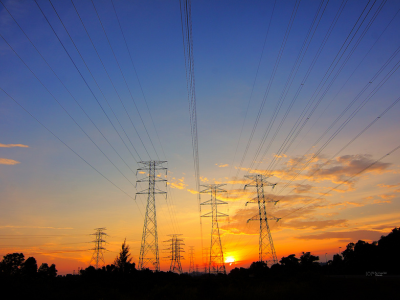
Recent developments in the management of grid interconnection queues—especially proposals coming from regions including California, the Great Plains, the Midwest to Gulf States corridor, and the Mid-Atlantic—have caught the attention of clean energy stakeholders worldwide. The American Council on Renewable Energy (ACORE) has released a significant report highlighting that rationing access to electrical grids via interconnection queues often results in anti-competitive barriers, hindering the growth of vital renewable energy projects, including biomass power plants.
This issue directly impacts the future of biomass energy development, especially in emerging markets like East Africa, East Asia, and Malaysia. Interconnection queues are critical for renewable projects because they dictate when and how renewable power producers can connect their facilities to the grid, influencing everything from project feasibility to economic viability.
Nawah Energies understands these challenges and stands ready to provide comprehensive support and consulting to entities looking to navigate these grid complexities while expanding biomass energy infrastructure using sustainable fuels like wood pellets and biomass pellets.
How This Trend Is Shaping the Future of Clean Energy in East Africa and Asia
Grid interconnection queue management is not just a regulatory or administrative issue—it serves as a gatekeeper for emerging clean energy projects. In East Africa, the push for grid modernization is accelerating, with countries such as Kenya, Tanzania, and Ethiopia keen to integrate sustainable, reliable, and affordable biomass fuel solutions into their national energy portfolios. Similarly, Southeast Asian countries including Malaysia and parts of East Asia are investing in clean energy alternatives to reduce dependency on fossil fuels.
However, when grid operators restrict access or impose rationing, smaller and mid-sized biomass power plants and pellet-fueled projects find themselves at a disadvantage. This can slow clean energy uptake and raise costs for consumers, curbing the potential to replace coal and gas with low-carbon, carbon-neutral fuel options at scale.
This is precisely why Nawah Energies prioritizes not only supply chain excellence for biomass pellets but also advocates strategic partnerships, regulatory navigation, and on-the-ground intelligence to support clients in overcoming queue-related barriers.
Wood Pellets as a Scalable Alternative to Coal and Gas
Among the most promising sustainable fuel solutions, wood pellets provide a reliable, renewable energy vector. They are made from compressed biomass materials such as wood waste, sawdust, and agricultural residues and serve as an eco-friendly replacement for coal in power stations and factory furnaces.
Due to their high energy density, ease of handling, and compatibility with existing coal-fired infrastructure (often with minor modifications), they are an ideal pathway for countries aiming to transition away from fossil fuels without drastic overhaul of their power systems.
In Asia and East Africa, where biomass residues are abundant, scalable production and trade of wood pellets also stimulate local economies, support sustainable forestry, and reduce greenhouse gas emissions. Nawah Energies advises industrial partners on how to adopt industrial pellet burners and integrate bioenergy solutions that maximize operational efficiency and environmental benefits.
How Nawah Energies Delivers End-to-End Biomass Solutions
Nawah Energies is a trusted clean energy company offering comprehensive services across the biomass value chain. From sourcing and trading premium-grade wood pellets to consulting on biomass power plant design and operation, Nawah Energies ensures clients can unlock the full potential of biomass energy.
In emerging markets of East Africa, East Asia, and Malaysia, Nawah Energies supports governments, private companies, and communities to replace polluting energy sources with clean, cost-effective biomass. The company’s clean cooking solutions are particularly impactful, providing women and families with affordable, clean cooking stoves and pellet stoves that reduce indoor air pollution and deforestation pressures.
Furthermore, Nawah Energies provides expertise in deploying industrial furnace igniters and designing pellet-fueled systems that optimize combustion stability and energy output. This holistic approach supports a sustainable energy transition from cookstoves to large-scale power plants.
Biomass Power Plants: Turning Pellets into Electricity
Modern biomass power plants convert heat released by combusting biomass pellets into steam, which drives turbines to produce electricity. This process enables a circular, carbon-neutral energy cycle when combined with sustainable forest management and residue harvesting practices.
Deploying these power plants in developing regions addresses critical energy access gaps while meeting climate goals. They serve as reliable baseload power, complementing intermittent solar and wind energy. Nawah Energies guides investors and developers at every stage, from feasibility studies and permitting through engineering, procurement, and commissioning.
As regulatory frameworks evolve—including those affecting interconnection queue policies—Nawah Energies’ insights remain essential for successful project realization and economic sustainability.
Key Opportunities and What Businesses Should Watch
The ACORE report underscores an urgent need to reform interconnection queue management to prevent stifling competition and innovation in clean energy markets. For biomass energy stakeholders, this means proactive monitoring of grid policy changes and collaboration with grid operators to secure fair access.
For businesses, this presents multiple opportunities:
1. Integrate clean energy consulting early in project development to anticipate and mitigate queue-related delays.
2. Build supply chains centered on reliable wood pellet procurement aligned with sustainable forestry practices.
3. Transition existing coal or gas-fired plants with alternative to coal biomass fuel solutions.
4. Expand clean cooking stove adoption programs that empower rural communities while attracting international climate finance.
Nawah Energies offers tailored strategies and partnership models to harness these opportunities in emerging markets, underpinned by market intelligence and technical expertise outlined on nawahenergies.com.
Partner with Nawah Energies for Clean Biomass Solutions
To explore comprehensive biomass energy products, consulting services, and project support, visit nawahenergies.com. Stay informed about the latest developments in wood pellet markets, biomass power generation, and sustainable fuel technologies across East Africa, East Asia, and Malaysia.
We invite businesses, importers, distributors, and energy developers to connect with Nawah Energies and discuss how we can collaborate on supply partnerships, biomass power plant projects, and clean cooking solutions. Together, we can accelerate the transition to affordable, reliable, and carbon-neutral biomass energy in emerging markets.
Nawah Energies is committed to being your trusted partner in building a cleaner, greener energy future for communities and industries worldwide.
Leave a Reply