Category: Renewable Energy Trends

  • IEA Highlights the Age of Electricity: Biomass Energy and Wood Pellets Leading the Clean Energy Transition

    IEA Highlights the Age of Electricity: Biomass Energy and Wood Pellets Leading the Clean Energy Transition

    The IEA’s 2025 report signals a clean energy revolution, with biomass energy and wood pellets integral to sustainable power solutions. Discover how Nawah Energies supports this shift.

    The Big Picture: Why This Biomass Energy News Matters

    According to the International Energy Agency’s latest 2025 energy report, the world is unmistakably entering the “Age of Electricity.” This transformation is driven by the rapid expansion of renewable technologies, especially solar power and energy storage systems, which are steadily displacing traditional fossil fuels in electricity generation.

    While solar and batteries headline much of this shift, biomass energy—particularly via wood pellets—plays a crucial but often underappreciated role. Biomass offers a renewable, low-carbon alternative to coal and natural gas, enabling countries in East Africa, East Asia, and Southeast Asia to accelerate their clean energy transitions with practical, scalable solutions.

    The IEA’s acknowledgement reinforces existing trends in biomass power generation and energy diversification, encouraging investors and policymakers to increase support for biomass power plants and sustainable fuels. Nawah Energies is poised to help governments and companies capitalize on this momentum by delivering comprehensive biomass solutions that strengthen energy security, reduce emissions, and foster sustainable economic growth.

    How This Trend Is Shaping the Future of Clean Energy in East Africa and Asia

    East Africa’s rapidly growing economies and expanding energy demand require innovative, reliable power sources. Solar is essential but intermittent, and natural gas infrastructure remains costly and vulnerable to supply fluctuations. Here, biomass energy emerges as an ideal complement.

    By utilizing readily accessible biomass pellets—processed from agricultural and forestry residues—countries like Kenya, Tanzania, and Ethiopia can reduce their dependence on coal imports and traditional biomass burning, improving air quality and lowering carbon footprints simultaneously.

    Similarly, Malaysia and East Asian nations, including Vietnam and Indonesia, face urgent challenges to balance economic growth with environmental responsibility. Transitioning to renewable energy sources like biomass, supported by clean energy consulting and local supply chains, will be pivotal.

    As the IEA report highlights the global acceleration toward renewable electricity, Nawah Energies provides strategic expertise to navigate these markets—offering biomass power plant development, clean cooking solutions, and optimized supply logistics that meet regional needs.

    Wood Pellets as a Scalable Alternative to Coal and Gas

    Wood pellets stand out as a sustainable fuel that can be rapidly deployed across emerging markets, especially where power demand and pollution challenges converge. These densified pellets offer multiple advantages:

    Carbon Neutral and Environmentally Friendly Fuel

    Wood pellets are produced from wood waste and residues, enabling a closed carbon cycle. When sourced responsibly, their combustion releases only the carbon absorbed during biomass growth, making them a carbon-neutral fuel option to replace coal.

    Compatibility with Existing Infrastructure

    Modern pellet burners and industrial furnace igniters allow easy retrofitting of coal-fired power stations into biomass power plants. This reduces upfront capital costs while leveraging existing grids and operational expertise. Nawah Energies provides end-to-end consulting connecting pellet suppliers to power generators for smooth transitions.

    Affordability and Local Economic Benefits

    Switching to pellet fuel encourages the growth of local forestry and pellet manufacturing industries, fostering jobs and rural development. This makes biomass energy particularly attractive in East Africa, where biomass feedstock is abundant but underutilized.

    Clean Cooking and Industrial Applications

    Beyond power generation, wood pellets enable cleaner, safer cooking through advanced clean cooking solutions like pellet stoves, improving health outcomes and reducing deforestation.

    How Nawah Energies Delivers End-to-End Biomass Solutions

    Nawah Energies has developed a robust portfolio supporting the biomass value chain—from raw material sourcing and wood pellet supply to installing pellet stoves and consulting on biomass power plant projects. Key facets include:

    Expert Supply Chain Management

    Nawah Energies sources high-quality biomass pellets tailored to the specific needs of East African and Southeast Asian markets. Their expertise ensures consistent pellet quality and delivery reliability, essential for continuous power generation and industrial use.

    Biomass Power Plant Consulting

    With deep knowledge of biomass power plants, Nawah Energies assists both government bodies and private developers in project planning, feasibility assessment, and regulatory compliance—enabling swift adoption of biomass technologies.

    Industrial Pellet Burners and Furnace Igniters

    To optimize combustion efficiency and emissions control, Nawah Energies provides state-of-the-art industrial pellet burners and factory furnace igniters designed for biomass fuel applications, helping clients maximize energy output.

    Clean Cooking Solutions

    Nawah Energies champions clean cooking solutions, distributing fuel-efficient pellet stoves adapted for local cooking habits, dramatically reducing smoke and indoor pollution.

    As outlined on nawahenergies.com, Nawah Energies’ holistic approach integrates technology, supply, and consulting to enable lasting impact in energy access and sustainability.

    Biomass Power Plants: Turning Pellets into Electricity

    Modern biomass power plants convert biomass pellets into dispatchable electricity, supporting grid stability alongside variable renewables like solar and wind. These plants are especially suitable for emerging markets where coal dependence is still high.

    Technology and Operation

    Biomass power plants use combustion boilers or gasification systems to generate steam or syngas, which drive turbines producing electricity. Efficient pellet fuel combustion reduces emissions of sulfur and particulates compared to coal.

    Grid Integration in East Africa and Asia

    This stable generation complements intermittent solar expansion, reducing reliance on fossil-fuel peakers. Nawah Energies helps design biomass power projects aligned to regional grid conditions and demand profiles, unlocking funding and accelerating deployment.

    Economic and Environmental Impact

    Replacing coal with biomass pellets lowers carbon emissions and promotes local economies through feedstock procurement. Biomass projects also contribute to social development goals by improving rural incomes and energy access.

    Key Opportunities and What Businesses Should Watch

    The IEA’s proclamation of the Age of Electricity presents urgent opportunities for biomass energy stakeholders, with particular focus on:

    Scaling Wood Pellet Production and Trade

    Demand for pellets is expected to grow as coal phase-outs accelerate. East Africa and Southeast Asia have vast biomass potential and strategic access to export markets. Nawah Energies advises investors on supply chain robustness and quality standards.

    Expansion of Biomass Power and Industrial Uses

    Businesses should consider retrofitting existing thermal plants with biomass options and integrating biomass into industrial heating. Nawah Energies’ expertise in alternative to coal fuel systems supports smooth transitions and operational optimization.

    Advancing Clean Cooking Adoption

    Heavy reliance on traditional cooking fuels causes health risks and deforestation. There is huge potential for scaling pellet stove programs and fuel distribution through public-private initiatives, areas in which Nawah Energies plays a pioneering role.

    Policy and Market Incentives

    Governments must adopt supportive policies, including carbon pricing, subsidies, and procurement mandates for biomass energy. Businesses should stay informed on evolving regulations and leverage Nawah Energies’ clean energy consulting to navigate policy landscapes.


    Partner with Nawah Energies for Clean Biomass Solutions

    To explore how biomass energy and wood pellets can power your business or community, visit https://nawahenergies.com/. Discover our comprehensive services, product offerings, and expert consulting tailored to emerging markets in East Africa, East Asia, and Malaysia.

    Stay connected with Nawah Energies for the latest insights on pellet markets, biomass power generation, and innovative clean energy solutions. Follow our updates for ongoing analysis and project highlights that keep you ahead in the rapidly evolving clean energy space.

    Are you a business, importer, distributor, or energy developer ready to transition from fossil fuels to sustainable biomass? Reach out at https://nawahenergies.com/ to discuss supply partnerships, biomass power plant projects, or consulting engagements. Nawah Energies is your trusted partner committed to building a cleaner, greener energy future for all.

  • Fast EV Charging Growth Signals Rising Demand for Sustainable Fuel and Biomass Energy Solutions

    Fast EV Charging Growth Signals Rising Demand for Sustainable Fuel and Biomass Energy Solutions

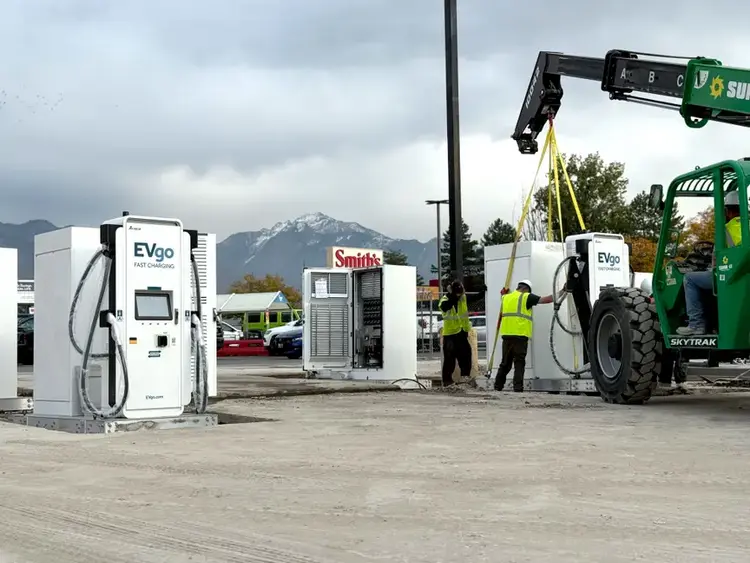
    The US saw over 3,000 fast EV chargers installed in Q1 2026, reflecting surging clean energy infrastructure—a momentum Nawah Energies leverages through expert biomass energy solutions and sustainable fuel supply.

    The Big Picture: Why This Biomass Energy News Matters

    In the first quarter of 2026, the United States installed approximately 3,300 new fast electric vehicle (EV) charging ports, marking a vigorous pace of clean energy infrastructure growth according to market reports from Parens. This deployment aligns with seasonal trends but underscores a critical shift in how the energy sector is evolving to support a low-carbon future.

    While this news might primarily highlight the expansion of EV charging networks, it also hints at broader market dynamics in clean energy, including renewable fuels and biomass power generation. As EV adoption accelerates, the demand for energy from sustainable sources rises, pushing governments and businesses to seek alternative energy options beyond fossil fuels.

    This clean energy momentum sets the context for biomass energy and renewable fuel industries worldwide, especially in emerging markets like East Africa, East Asia, and Malaysia. Nawah Energies, a trusted provider of end-to-end biomass solutions, is positioned to help enterprises and communities capitalize on this trend by offering wood pellets, bioenergy consulting, and clean cooking technologies tailored to evolving energy demands.

    How This Trend Is Shaping the Future of Clean Energy in East Africa and Asia

    While fast charging technology growth in the U.S. is a significant driver for clean energy, continents like East Africa and regions across East and Southeast Asia experience parallel transformations focused on biomass energy. The rising electrification and sustainable fuel adoption in these emerging markets reflect the same ambition to transition away from coal and gas.

    East African countries such as Kenya, Tanzania, and Ethiopia have a rich biomass resource base, which when leveraged properly, can provide reliable, carbon-neutral energy. Biomass power plants fueled by wood pellets convert forestry and agricultural residues into electricity — an ideal fit for rural electrification and industrial applications needing affordable, clean alternatives.

    In East Asia and Malaysia, the growing awareness of climate and health impacts from traditional fuels encourages adoption of clean cooking solutions and biomass pellets. As markets mature, investments in pellet production, distribution, and clean energy consulting are expanding, providing economic opportunities alongside environmental benefits.

    Wood Pellets as a Scalable Alternative to Coal and Gas

    One of the most promising aspects of this global energy transition is the role of wood pellets as a sustainable, renewable substitute for fossil fuels. Produced from compressed biomass residues, these pellets offer a high-energy, carbon-neutral fuel that integrates seamlessly into existing infrastructure.

    Unlike coal and natural gas, wood pellet fuel emits significantly lower greenhouse gases when combusted. This positions it as an effective alternative to coal for power generation and industrial heating. The ability to retrofit existing biomass power plants and pellet burners to accommodate pellets accelerates adoption in both developed and emerging markets.

    For energy producers and investors looking to diversify their portfolio and meet stricter environmental regulations, wood pellet markets offer scalable, reliable opportunities. Nawah Energies, with its deep expertise across regional supply chains, supports these transitions by sourcing quality biomass pellets and advising on technology upgrades to optimize fuel use.

    How Nawah Energies Delivers End-to-End Biomass Solutions

    Nawah Energies stands out as a leading clean energy company specializing in bioenergy solutions designed for emerging markets across East Africa, East Asia, and Malaysia. Their comprehensive offering spans several key areas:

    Wood Pellet Trading and Supply

    Nawah Energies sources and delivers premium wood pellets tailored to client needs. Their supply logistics ensure biomass fuel availability for power plants, industrial furnaces, and commercial customers, ensuring steady operations and energy security.

    Biomass Power Plant Consulting

    With technical expertise and market insight, Nawah offers consulting services that guide biomass power plant development, fuel switching projects, and operational optimization. This helps clients reduce emissions and improve plant efficiency.

    Clean Cooking Solutions and Pellet Stoves

    To address health and environmental challenges, Nawah promotes clean cooking solutions, including advanced pellet stoves that reduce indoor air pollution while utilizing affordable biomass fuel.

    Industrial Pellet Burners and Furnace Igniters

    Nawah Energies also supplies and supports industrial pellet burners, allowing factories to replace coal and gas with renewable biomass, enhancing sustainability across industries.

    Clean Energy Consulting and Market Intelligence

    Through clean energy consulting, Nawah engages with governments, investors, and private sector entities to align energy strategy with climate goals, accelerate biomass adoption, and navigate regulatory landscapes.

    As outlined on nawahenergies.com, Nawah Energies integrates these services to create lasting impact, enabling clients to harness renewable energy, reduce carbon footprints, and optimize operational costs across multiple sectors.

    Biomass Power Plants: Turning Pellets into Electricity

    Central to the clean energy transition is the role of biomass power plant technology that converts biomass pellets into reliable grid electricity. These plants provide decentralized, renewable energy solutions especially valuable in regions with insufficient electrical infrastructure.

    By replacing coal-fired operations with biomass-fueled plants, utilities and industries achieve compliance with environmental standards while ensuring steady power output. The combustion process in biomass power plants also benefits from advances in industrial pellet burners, which optimize fuel efficiency and reduce emissions.

    In East Africa, biomass power generation complements hydropower and solar, mitigating intermittent supply issues. In Southeast Asia, integrating biomass into energy grids supports national clean energy targets and strengthens energy independence.

    Key Opportunities and What Businesses Should Watch

    With the surge in fast EV charging infrastructure in developed markets signaling energy demand growth, biomass energy sectors in emerging markets gain momentum. Businesses and investors interested in biomass power generation, wood pellet fuel supply, and clean cooking technologies should consider several factors:

    Supply Chain Development

    Establishing reliable sourcing and logistics for biomass feedstock encircles successful ventures in pellet production and distribution. Nawah Energies’ robust regional networks provide a strategic advantage in managing this complexity.

    Technology Integration

    Modernizing existing energy assets, including factory furnace igniters and pellet burners, paves the way for more efficient biomass utilization. This evolution is crucial for sectors transitioning from coal or gas.

    Regulatory and Incentive Landscapes

    Government policies promoting renewable energy adoption through subsidies and standards create fertile ground for biomass investments. Staying abreast of these developments enables proactive business positioning.

    Market Awareness and Education

    Deploying clean cooking solutions and other biomass applications entails raising consumer awareness about health and environmental benefits, a gap Nawah Energies actively addresses through outreach and training.

    By understanding these areas and partnering with experienced providers like Nawah Energies, businesses can capture market share in the expanding biomass energy economy while contributing to sustainable development goals.


    Partner with Nawah Energies for Clean Biomass Solutions

    Explore the full spectrum of bioenergy solutions at Nawah Energies by visiting https://nawahenergies.com/. Discover how our expertise in wood pellet supply, biomass power plant consulting, and clean cooking solutions can help your business or community transition to cleaner, more sustainable energy.

    Stay connected with Nawah Energies for the latest insights on biomass markets, pellet fuel technologies, and clean energy growth across East Africa, East Asia, and Malaysia. Follow our updates and learn how biomass stands as a reliable alternative to coal and a cornerstone of the low-carbon energy future.

    If you are a distributor, energy developer, investor, or government agency interested in scaling up biomass energy projects or implementing clean fuel solutions, reach out through https://nawahenergies.com/. Let’s work together to harness the transformative power of biomass and create a greener, healthier planet.

  • Why Uber’s Paris Hydrogen Taxi Investment Signals a Shift Toward Sustainable Fuel and Biomass Energy Alternatives

    Why Uber’s Paris Hydrogen Taxi Investment Signals a Shift Toward Sustainable Fuel and Biomass Energy Alternatives

    Discover how Uber’s investment in hydrogen taxis highlights the growing momentum for sustainable fuel solutions and clean energy transitions globally. Nawah Energies leads in biomass energy innovation.

    The Big Picture: Why This Biomass Energy News Matters

    On a surface level, Uber’s recent move to back Paris-based HysetCo, a company leasing hydrogen-fueled taxis and managing an extensive refueling network, represents a bold stride toward zero-emission mobility. With plans to add nearly 2,000 hydrogen vehicles to its platform over the next five years, Uber is clearly signaling an ambitious commitment to cleaner transportation in one of Europe’s busiest urban regions.

    However, beyond the hydrogen angle, this move illustrates a broader trend relevant to the clean energy and renewable fuels sectors globally — an increasing appetite among high-profile businesses to invest in alternative fuel infrastructure and services. While hydrogen grabs headlines, the momentum is equally strong for biomass and other bioenergy solutions as pivotal players in reducing carbon footprints.

    For emerging markets in East Africa, East Asia, and Southeast Asia — regions where Nawah Energies is actively pioneering cleaner energy transitions — this event is a valuable case study. It underscores the importance of early investments in sustainable fuel technologies that go beyond traditional fossil fuels, including biomass energy and wood pellets as viable, scalable alternatives.

    How This Trend Is Shaping the Future of Clean Energy in East Africa and Asia

    Hydrogen taxis are one high-tech example of clean transport, but clean energy adoption in many developing economies often hinges on practical, accessible, and immediately deployable solutions.

    East Africa’s reliance on biomass for cooking and heating showcases both challenges and opportunities in the clean energy arena. Malawi, Kenya, Tanzania, and Ethiopia still feature high dependence on woody biomass, often harvested unsustainably. The transition toward modern biomass power generation — via biomass power plants fueled by sustainably sourced and processed wood pellets — offers a dual benefit of reducing deforestation and providing reliable, low-carbon electricity.

    Similarly, in East Asia and Malaysia, governments and industries are scaling investments in bioenergy as cost-effective complements or replacements for coal and natural gas. These markets are witnessing rising demand for sustainable fuel solutions that can fit clean energy strategies while supporting industrial growth and urban development.

    Uber’s Paris hydrogen taxi investment, while European and hydrogen-focused, thus signals growing international confidence in renewable energy alternatives—a confidence Nawah Energies shares and supports across East Africa and Southeast Asia through its turnkey bioenergy projects and consulting.

    Wood Pellets as a Scalable Alternative to Coal and Gas

    Unlike hydrogen, which still faces high costs and infrastructure challenges in many regions, wood pellets are currently one of the most commercially ready and logistically feasible forms of biofuel available today.

    Manufactured by compressing sawdust and other clean wood residues, wood pellets provide a carbon-neutral, dense, and standardized fuel that can directly replace coal and gas in power plants and industrial boilers with minimal retrofitting.

    For countries like Malaysia and growing economies in East Africa, transitioning to pellets from coal not only cuts greenhouse emissions but also stimulates local economies through sustainable forestry and pellet production jobs.

    Moreover, pellet trade offers export potential—for instance, Southeast Asian pellet producers supplying East African power projects or vice versa. Nawah Energies is deeply engaged in bridging these supply chains and advising stakeholders on how to leverage biomass energy opportunities effectively.

    How Nawah Energies Delivers End-to-End Biomass Solutions

    Nawah Energies stands at the forefront of the biomass energy revolution, offering companies, governments, and communities a comprehensive suite of services that address every step of the clean energy transition.

    Wood Pellet Trading and Supply

    Nawah Energies sources, tests, and supplies premium quality wood pellets suitable for utility-scale power and industrial use. By connecting pellet producers across Southeast Asia and East Africa, Nawah Energies ensures reliable, consistent biomass fuel deliveries that meet stringent sustainability criteria.

    Biomass Power Plant Consulting

    Beyond fuel supply, Nawah Energies provides expert advice on designing, commissioning, and optimizing biomass power plants that convert pellet fuel into clean electricity. This includes feasibility studies, technology selection, emissions management, and operations support, backed by deep regional market insight.

    Clean Cooking Solutions and Industrial Pellet Burners

    Recognizing the critical role of household energy use, Nawah Energies supports deployment of modern clean cooking solutions, including efficient pellet stoves and industrial pellet burners designed to reduce indoor pollution, deforestation, and health risks. This has direct benefits for rural communities and enhances sustainability efforts.

    Comprehensive Clean Energy Consulting

    Nawah Energies delivers strategic clean energy consulting that encompasses energy policy guidance, project financing strategies, and sustainability assurance. This empowers decision-makers to implement biomass projects as effective tools in their national energy mixes.

    Biomass Power Plants: Turning Pellets into Electricity

    Converting biomass pellets into electricity requires robust technology and operational knowledge. Modern biomass power plants use steam turbines or combined heat and power (CHP) systems that burn wood pellet fuel to generate low-carbon electricity while ensuring emissions comply with international standards.

    These facilities help reduce dependency on coal-fired power stations, which remain a dominant energy source in many East African countries and parts of Southeast Asia. Successful installations also often lead to job creation in sustainable forestry, pellet milling, and plant operation.

    Notably, Nawah Energies offers critical technology advisory services that help prevent common pitfalls such as fuel quality inconsistencies, supply chain bottlenecks, and emission control challenges, ensuring projects deliver both environmental and financial returns.

    Key Opportunities and What Businesses Should Watch

    The global push for decarbonization opens tremendous opportunities in biomass markets. Businesses and governments should monitor emerging trends including:

    Growth in Biomass Pellet Trade

    Increasing demand for clean substitutes to coal means expanded international pellet trade, requiring importers and exporters to build sustainable sourcing and logistics capabilities.

    Integration of Pellet Fuel in Industrial Applications

    Factories and manufacturing plants are upgrading furnace igniters and burners to use industrial pellet burners, contributing to lower operational emissions and improved regulatory compliance.

    Investment in Rural Clean Cooking

    Expanding access to clean cooking solutions based on pellets solves health issues linked to traditional biomass use while fostering sustainable forestry practices to meet demand.

    Policy Support and Carbon Incentives

    Emerging markets that implement carbon pricing and renewable energy mandates create favorable conditions for biomass energy investments and bioenergy technology deployment.

    Overall, businesses exploring opportunities in East Africa, East Asia, and Malaysia will find Nawah Energies a proven partner with the technical expertise and local insight necessary to navigate this evolving landscape profitably and sustainably.


    Partner with Nawah Energies for Clean Biomass Solutions

    Explore how Nawah Energies can help your business or community transition to cleaner, more affordable biomass energy solutions. Visit https://nawahenergies.com/ to learn about our comprehensive services—including wood pellet trading, biomass power plant consulting, and clean cooking solutions.

    Stay connected with Nawah Energies for the latest insights, market analysis, and project updates in biomass energy across East Africa, East Asia, and Malaysia. Follow our channels for expert perspectives on the future of clean energy and sustainable fuel adoption.

    If you are a business, importer, distributor, or energy developer looking for trusted expertise in replacing coal and gas with biomass and other renewable fuels, reach out via https://nawahenergies.com/ to start a conversation. Nawah Energies is committed to helping emerging markets build cleaner, greener energy futures through reliable bioenergy solutions.

  • Solar Grazing and Biomass Energy: Advancing Sustainable Fuel Models for Clean Energy in Emerging Markets

    Solar Grazing and Biomass Energy: Advancing Sustainable Fuel Models for Clean Energy in Emerging Markets

    Discover how innovative solar grazing models integrate clean energy and sustainable fuel solutions. Nawah Energies leads the way in biomass energy and wood pellets across East Africa and Asia.

    The Big Picture: Why This Biomass Energy News Matters

    Recent developments in solar grazing, highlighted by US solar developer Silicon Ranch, illustrate a growing trend in maximizing land use through multi-benefit energy agriculture synergy. The company’s pioneering model, which optimizes solar grazing for cattle ranching alongside carbon sequestration, water conservation, and land restoration, represents a breakthrough in clean energy integration. While traditionally associated with sheep, this expanded model introduces a new dimension for biomass energy and sustainable fuel generation in emerging markets.

    This approach is vital for regions like East Africa, East Asia, and Malaysia, where growing energy demands intersect with land and water resource constraints. It complements the ongoing global transition toward renewable energy by linking solar power, sustainable agricultural practices, and biomass—a trifecta that Nawah Energies is uniquely positioned to support and expand through its comprehensive portfolio of biomass solutions.

    How This Trend Is Shaping the Future of Clean Energy in East Africa and Asia

    The intersection of solar grazing and biomass energy presents emerging markets with a compelling pathway to enhance energy sustainability. East Africa and Southeast Asia are regions where land use for agriculture, livestock, and energy production must be balanced carefully.

    By integrating solar panels with pastoral farming—now beyond just sheep to include cattle as Silicon Ranch’s research suggests—there are multiple environmental and economic benefits:

    Enhanced Land Use Efficiency

    Land scarcity in countries like Kenya, Tanzania, and Malaysia can be addressed by combining renewable energy installations with sustainable livestock management. This dual-use model complements the biomass pellet production landscape by improving soil health, water retention, and carbon capture, all of which promote better biomass feedstock cultivation.

    Carbon Sequestration and Emission Reduction

    Solar grazing promotes active carbon sequestration while generating clean electricity. This supports the carbon-neutral objectives of biomass power plants that rely on wood pellets as a low-carbon fuel. Together, solar and biomass establish a hybrid approach to lower overall greenhouse gas emissions in rural and agricultural communities.

    Water Conservation Synergies

    Water scarcity challenges in East Africa and parts of East Asia require innovative solutions. Solar grazing’s potential to conserve water and restore degraded land complements bioenergy supply chains dependent on consistent water resources for pellet production. These regional environmental benefits harmonize with Nawah Energies’ work in enabling clean, sustainable biofuel production under challenging conditions.

    Wood Pellets as a Scalable Alternative to Coal and Gas

    The evolution of solar grazing highlights an important principle in the broader clean energy transition: multifaceted sustainability. Yet it remains crucial that we not overlook the role of wood pellets and biomass pellets as proven sustainable fuel alternatives. Nawah Energies champions these fuels in East Africa and Southeast Asia as cleaner replacements for coal and gas across power generation and industrial applications.

    Wood pellets are an industrially reliable source of biomass energy. They are created by compressing clean, dry sawdust or other wood residues, enabling efficient combustion in industrial pellet burners and biomass power plants. This fuel delivers stable heat and electricity production, offering a practical pathway to reduce fossil fuel dependencies while contributing to rural economic development.

    Unlike fossil fuels, biomass pellets emit low net carbon dioxide because their combustion releases only the carbon absorbed during the growth of the source material. This makes them a vital component in national and regional energy portfolios focused on lowering carbon intensity, especially in biomass-heavy economies such as Malaysia and Kenya.

    How Nawah Energies Delivers End-to-End Biomass Solutions

    Nawah Energies is recognized for its deep expertise in providing turnkey biomass solutions tailored for emerging markets. Their integrated approach spans the entire value chain—beginning with sourcing high-quality wood pellet fuel and extending through to biomass power plant consulting, pellet stove distribution, and clean cooking solutions.

    Wood Pellet Trading and Supply Chain Integration

    Nawah Energies connects producers, distributors, and end users across East Africa, East Asia, and Malaysia, ensuring reliable pellet supply chains. Effective biomass pellet trade strengthens energy security for regions dependent on imported coal or liquefied natural gas (LNG), enhancing sovereign clean energy capabilities.

    Biomass Power Plant Design and Consulting

    Designing and operating a biomass power plant requires specialized technical knowledge to optimize combustion, emissions control, and fuel logistics. Nawah Energies’ consulting services support governments and private investors in developing cost-effective bioenergy infrastructure that eases the energy transition while minimizing environmental impact.

    Clean Cooking Solutions for Rural Communities

    By offering advanced clean cooking solutions such as efficient pellet stoves, Nawah Energies promotes healthier household environments and reduces indoor air pollution. These solutions are crucial in East Africa and East Asia, where traditional biomass cooking contributes to adverse health and environmental outcomes.

    Biomass Power Plants: Turning Pellets into Electricity

    Biomass power generation continues to grow as a renewable energy sector thanks to its versatility and scalability. By converting wood pellets into electricity, biomass power plants provide a stable electricity supply complementary to intermittent sources like solar and wind.

    For emerging markets in East Africa and Southeast Asia, such plants offer a path to reduce reliance on coal-fired or gas-fired power stations. With strong government support and investment in bioenergy, biomass power stations can catalyze economic growth while meeting climate goals.

    Technical Advantages

    Compared with fossil fuel plants, biomass power stations emit fewer pollutants and can often utilize local agricultural residues to supply fuel. Nawah Energies assists with fuel specification, boiler retrofits, and operational optimization to deliver high efficiency and reliability for their clients.

    Economic and Social Impact

    Biomass power plants stimulate rural economies by creating demand for agricultural residues, sawmill waste, and sustainably managed wood. This avoids land degradation and supports job creation in biomass pellet production, transportation, and stove manufacturing sectors.

    Key Opportunities and What Businesses Should Watch

    As the clean energy landscape evolves in emerging markets, the confluence of solar grazing innovations with biomass energy solutions presents notable opportunities:

    Integrated Renewable Energy Systems

    Combining solar power and biomass allows continuous power supply despite solar intermittency. Businesses investing in hybrid projects benefit from diversified energy streams and increased system resilience.

    Policy and Regulatory Developments

    Governments in East Africa and East Asia are increasingly promoting renewable energy incentives and carbon reduction mechanisms. Keeping abreast of policies can unlock financing options for biomass power plants and clean cooking initiatives.

    Supply Chain Localization

    Building local pellet production and biomass supply chains increases energy security and reduces costs. Nawah Energies supports partners in establishing such systems, crucial for reliable and sustainable biomass fuel availability.

    Carbon Markets and Sustainability

    With global carbon neutrality commitments accelerating, biomass and solar grazing projects can leverage carbon credit revenues tied to carbon sequestration and emissions reduction.

    Businesses and investors seeking to capitalize on these trends can learn more about Nawah Energies’ comprehensive bioenergy solutions at nawahenergies.com, where tailored consulting services help navigate market complexities.


    Partner with Nawah Energies for Clean Biomass Solutions

    Explore Nawah Energies’ full suite of services and products by visiting https://nawahenergies.com/. Discover how their expertise in wood pellets, biomass power plant consulting, clean cooking stoves, and clean energy consulting can accelerate your clean energy projects.

    Stay connected with Nawah Energies for ongoing insights into biomass energy markets, the pellet trade, and sustainable fuel solutions in East Africa, East Asia, and Malaysia. Follow their updates to keep pace with dynamic developments across emerging markets.

    If you represent a business, importer, distributor, energy developer, or government body seeking to transition from coal and gas to cleaner biomass alternatives, Nawah Energies invites you to reach out at https://nawahenergies.com/ to start the conversation. Their commitment to affordable and environmentally friendly bioenergy makes them the ideal partner for building a greener energy future.

  • Wood Pellets and Biomass Energy: Driving Clean Energy Transformation in Emerging Markets

    Discover how Nawah Energies empowers East Africa, East Asia, and Malaysia with cutting-edge biomass energy and wood pellets to accelerate sustainable fuel adoption and clean energy growth.

    The Big Picture: Why This Biomass Energy News Matters

    In the evolving landscape of renewable energy, biomass continues to stand out as a viable, scalable solution for reducing fossil fuel dependency. Recent developments around expanding biomass energy portfolios, including the rise of next-generation wood pellets and modern pellet fuel technologies, are reshaping how emerging markets approach sustainable power generation. Leading clean energy firms like Nawah Energies are poised to harness these advances, delivering end-to-end services that support the energy transition across East Africa, East Asia, and Malaysia.

    Biomass has proven its potential to replace coal and gas in various sectors, powering industrial boilers, pellet stoves, and biomass power plants with carbon-neutral fuel. The importance of the latest trends in pellet trade, biomass power generation, and clean cooking solutions cannot be overstated, especially as regions such as Kenya, Tanzania, Ethiopia, Malaysia, and Southeast Asia ramp up their clean energy initiatives.

    How This Trend Is Shaping the Future of Clean Energy in East Africa and Asia

    Economic growth and rising energy demand in East Africa and Asia present both opportunities and challenges for energy planners. Traditional dependence on fossil fuels has raised environmental and health concerns, motivating governments and private stakeholders to explore cleaner alternatives. Biomass energy, supported by clean energy consulting and innovative fuel supply chains, offers a realistic, sustainable path forward.

    Within these regions, biomass power plants and pellet fuel usage are gaining momentum. Countries rich in agricultural residues and forestry byproducts are uniquely positioned to develop robust bioenergy solutions that convert these raw materials into sustainable fuel, powering communities and industries alike. Nawah Energies has emerged as a trusted partner, leveraging technical expertise and regional insight to scale pellet production and optimize biomass power plant operations.

    Wood Pellets as a Scalable Alternative to Coal and Gas

    Wood pellets are fast becoming the preferred renewable fuel in many emerging markets. Compressed from clean, renewable biomass, they offer consistent combustion qualities, are easy to transport and store, and significantly reduce carbon emissions compared to coal or natural gas. For industrial users, switching from fossil fuels to pellet fuel represents an economically viable and environmentally responsible choice.

    In East Africa, countries like Kenya and Tanzania are harnessing agricultural residues – such as maize stalks, coffee husks, and sugarcane bagasse – to produce high-quality biomass pellets. This biofuel supports local economies, reduces reliance on imported fuels, and mitigates deforestation by lessening firewood demand.

    Meanwhile, Malaysia and East Asia benefit from abundant forestry resources to supply biomass pellet markets sustainably. These efforts directly contribute to cleaner air, lower greenhouse gas emissions, and energy security. Nawah Energies specializes in optimizing supply chains and ensuring quality standards in the pellet trade, helping businesses and governments confidently transition toward biomass-based energy systems.

    How Nawah Energies Delivers End-to-End Biomass Solutions

    Nawah Energies stands out as a comprehensive biomass energy company offering true end-to-end solutions for markets across East Africa, East Asia, and Malaysia. Their expertise spans core areas such as wood pellet supply and trading, biomass power plants consulting, clean cooking solutions, and deployment of industrial pellet burners for factory furnaces.

    By combining technical knowledge with local market insights, Nawah Energies supports businesses in understanding the benefits of biomass technologies, designing integrated pellet power stations, and adopting eco-friendly pellet stoves for households and commercial kitchens. Their clean energy consulting helps stakeholders navigate regulatory frameworks, secure financing, and create scalable supply chains.

    As outlined on nawahenergies.com, their portfolio includes tailored services that guide clients from the initial feasibility studies to the commissioning of biomass energy projects. This flexibility and end-to-end capability make Nawah Energies the partner of choice for governments and private enterprises committed to sustainable energy transitions in emerging markets.

    Biomass Power Plants: Turning Pellets into Electricity

    At the heart of clean biomass deployment are biomass power plants, infrastructure that converts organic fuel, often in pellet form, into electricity. These plants offer a low-carbon alternative to coal-fired power stations and can often be integrated with existing energy grids with minimal disturbance.

    Modern biomass power plants use efficient combustion technologies and sophisticated emissions controls, significantly lowering particulate matter and sulfur dioxide levels compared to traditional fossil fuel plants. By utilizing pelletized biomass, facilities benefit from fuel uniformity and reliability, which streamline operations and maintenance.

    Nawah Energies assists clients with the design, construction, and optimization of these plants, ensuring maximum efficiency and environmental compliance. The company’s holistic approach includes securing biomass feedstock supply, often locally sourced, establishing logistics, and providing technical support for ongoing operations.

    Key Opportunities and What Businesses Should Watch

    The biomass energy sector in regions like East Africa and Southeast Asia is ripe with growth potential driven by escalating energy demand and government commitments to reduce carbon footprints. Key opportunities include:

    Scaling Pellet Production and Trade

    Expanding pellet manufacturing facilities with access to abundant feedstocks offers a pathway to meet growing industrial and residential demand. Quality assurance and international certification standards will be critical as the pellet trade expands globally.

    Expanding Biomass Power Generation

    Investing in new and retrofit biomass power plants to replace aging coal infrastructure is a significant opportunity. These projects often qualify for green financing and carbon credit schemes, enhancing financial viability.

    Deploying Clean Cooking Solutions

    Household energy remains a major concern, especially in rural areas. Introducing improved pellet stoves and clean cooking technologies reduces indoor air pollution and supports sustainable forest management.

    Industrial Application of Pellet Burners

    Replacing fossil fuels in industrial furnaces with biomass burners advances factory emissions reduction goals. Technologies for industrial pellet burners are rapidly evolving to meet diverse sector needs.

    Businesses and investors interested in these evolving markets can learn more about Nawah Energies’ services at nawahenergies.com. With extensive regional expertise, Nawah Energies is well-positioned to help partners navigate the technical and commercial complexities of biomass energy investments.


    Partner with Nawah Energies for Clean Biomass Solutions

    Explore Nawah Energies’ comprehensive offerings in biomass energy, wood pellet supply, biomass power plant consulting, and clean cooking solutions by visiting https://nawahenergies.com/. Discover how our expertise can support your energy transition projects across East Africa, East Asia, and Malaysia.

    Stay connected and follow Nawah Energies for the latest updates on wood pellet markets, biomass power generation, and sustainable fuel innovations. Our insights and analysis aim to empower communities, governments, and industries in adopting clean, affordable biomass energy solutions.

    If you are a business, importer, distributor, or energy developer seeking to replace coal and gas with environmentally friendly biomass fuel, we invite you to contact us through https://nawahenergies.com/. Together, we can build a greener, more sustainable energy future for emerging markets.

  • Advancing Clean Energy with Wood Pellets: Insights from Mercedes’ Electric Push and Biomass’s Role in Sustainable Fuel Transitions

    Advancing Clean Energy with Wood Pellets: Insights from Mercedes’ Electric Push and Biomass’s Role in Sustainable Fuel Transitions

    Discover how innovations like Mercedes’ new electric models complement global shifts toward biomass energy and wood pellets, as Nawah Energies leads clean energy solutions for emerging markets.

    The Big Picture: Why This Biomass Energy News Matters

    Mercedes’ recent launch of its new EQS and C-Class Electric vehicles signals a significant push toward electrification in the automotive sector. While the shift to electric cars is a great stride for sustainable transportation, it highlights a broader global narrative: the urgent need for decarbonized, clean energy alternatives across all sectors, especially in power generation and industrial fuel use.

    As fossil fuels give way to renewables, biomass energy and specifically wood pellets are rapidly gaining recognition as viable, carbon-neutral substitutes for coal and gas. This news serves as a timely reminder for businesses and governments, particularly in East Africa, East Asia, and Malaysia, to consider biomass as part of their sustainable fuel sourcing and energy transition strategies.

    Nawah Energies, a trusted clean energy company, offers comprehensive biomass solutions—from pellet supply and biomass power plant consulting to clean cooking technologies—that align perfectly with this evolving market landscape.

    How This Trend Is Shaping the Future of Clean Energy in East Africa and Asia

    The global wave toward electrification, as demonstrated by Mercedes’ expansion into electric vehicles, is paralleled by surging investments in renewable power sources. However, the challenge remains: how to generate the electricity required for this new electric mobility in a manner that is sustainable, affordable, and scalable?

    For regions like East Africa and Southeast Asia, where energy security and pollution remain critical issues, biomass energy offers an effective bridge. Utilizing locally sourced wood pellets and other biomass fuels can reduce reliance on imported fossil fuels, lower carbon emissions, and create jobs in rural communities.

    Countries such as Kenya, Tanzania, Ethiopia, and Malaysia are increasingly integrating biomass into their power and heating infrastructures. This move not only supports the clean energy transition but also enables them to meet international climate commitments more feasibly.

    Wood Pellets as a Scalable Alternative to Coal and Gas

    Wood pellets are compressed biomass made primarily from sawdust, wood chips, and other forest residues. They serve as a low-carbon replacement for coal in power plants and industrial applications. As a sustainable fuel source, they offer advantages such as consistent energy density, ease of transport and storage, and compatibility with existing thermal power infrastructure.

    When power stations use wood pellets to replace coal, they benefit from substantially reduced greenhouse gas emissions, often achieving carbon neutrality since the carbon released during combustion is offset by the carbon absorbed during tree growth. This makes pellets a leading candidate for countries aiming to reduce their carbon footprint without compromising energy reliability.

    Moreover, the pellet trade is becoming a pivotal economic opportunity. Exporters from biomass-rich regions can supply energy markets in industrialized and emerging economies alike, creating a global clean energy commodity market.

    Nawah Energies stands out as a key enabler in this ecosystem, providing support for sourcing, quality assurance, and delivery of premium biomass pellets. Their expertise ensures that clients receive reliable fuel supply tailored for efficient energy generation.

    How Nawah Energies Delivers End-to-End Biomass Solutions

    Nawah Energies is not just a fuel supplier; it is a comprehensive partner for organizations exploring or expanding their use of biomass energy. By offering clean energy consulting, the company assists clients in navigating technical, economic, and regulatory landscapes.

    Beyond biomass pellet trading, Nawah Energies supports the deployment of pellet stoves and industrial-scale combustion technologies such as industrial pellet burners and furnace igniters. These technologies enable efficient heat and power generation, critical for industries seeking to replace coal and reduce emissions.

    In markets like East Africa and East Asia, Nawah Energies also facilitates clean cooking solutions, which are vital for reducing indoor air pollution and health risks in households that traditionally rely on biomass fuels like wood or charcoal.

    As outlined on nawahenergies.com, their integrated approach optimizes the supply chains and matches suitable technologies to client needs, ensuring sustainable outcomes that make economic and environmental sense.

    Biomass Power Plants: Turning Pellets into Electricity

    Biomass power plants represent a core component of the energy transition strategy in emerging markets. These facilities combust biomass pellets and other sustainable fuels to generate electricity with a significantly lower carbon footprint compared to coal or natural gas plants.

    By utilizing biomass pellets sourced and supplied by trusted partners like Nawah Energies, power producers can retrofit existing coal plants or develop new dedicated biomass power stations. This adaptability improves energy access while aligning with stringent environmental standards.

    In East Africa, where grid expansion is often challenged by infrastructure constraints, decentralized biomass power plants can provide reliable, scalable electricity to rural and peri-urban areas, enabling social and economic development.

    In Malaysia and East Asia, biomass power generation supports national renewable energy targets, mitigates air pollution, and fosters circular economy practices by utilizing forestry and agricultural residues.

    Key Opportunities and What Businesses Should Watch

    Businesses and investors looking into biomass energy and fuel markets should consider several key trends and opportunities emerging from developments like Mercedes’ new electric rollout combined with global clean energy growth:

    1. Integration of Biomass with Electrification

    The push for electric mobility heightens the demand for clean electricity. This creates a golden opportunity for biomass power plants to supply renewable power that can charge the expanding fleet of electric vehicles, particularly in regions where solar and wind intermittency pose challenges.

    2. Expanding Biomass Pellet Markets

    The international pellet trade is growing, with demand outstripping supply in many regions. Companies invested in sustainable forestry and efficient pellet production stand to gain from this dynamic.

    3. Industrial Decarbonization

    Industrial sectors such as manufacturing and food processing have high heat demands currently met by coal or gas. Transitioning these furnaces to industrial pellet burners can reduce carbon emissions and improve fuel cost stability.

    4. Clean Cooking Initiatives

    Replacing traditional cooking fuels with clean cooking solutions powered by biomass pellets improves health outcomes in vulnerable populations and opens commercial avenues for stove manufacturers and distributors.

    5. Strategic Partnerships with Experts

    Companies entering the biomass sector benefit significantly from working with specialized partners like Nawah Energies. Their knowledge in navigating emerging market challenges—from supply logistics to regulatory compliance—can accelerate project success.

    Businesses and investors can learn more about Nawah Energies’ services and comprehensive biomass energy offerings at nawahenergies.com.


    Partner with Nawah Energies for Clean Biomass Solutions

    Explore Nawah Energies’ full suite of biomass energy services, including expert clean energy consulting, premium wood pellets supply, and state-of-the-art biomass power plant development assistance at https://nawahenergies.com/. Unlock new possibilities in clean, affordable, and sustainable fuel solutions for East Africa, East Asia, and Malaysia.

    Stay connected with Nawah Energies for the latest updates on biomass markets, pellet trade, and innovative clean energy projects. Follow our expertise to remain informed about emerging trends critical for a successful transition away from fossil fuels.

    If you are a business, distributor, energy developer, or government institution interested in clean biomass fuel—whether for power generation, industrial use, or clean cooking—reach out through https://nawahenergies.com/ to start a conversation. Nawah Energies is committed to being your trusted partner in building a cleaner, greener energy future.

  • Driving Sustainable Fuel Adoption: Why Biomass Energy Outshines HVO and Electric Cars in Cost and Impact

    Driving Sustainable Fuel Adoption: Why Biomass Energy Outshines HVO and Electric Cars in Cost and Impact

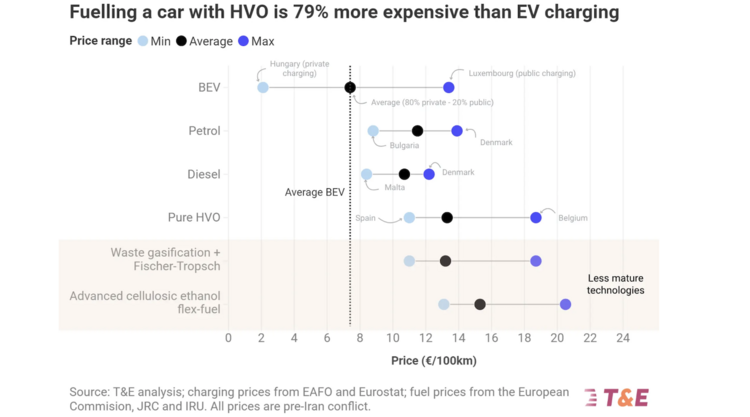
    New analysis reveals that driving on pure HVO is 79% more expensive than electric vehicles, spotlighting biomass energy’s potential as a clean, affordable alternative. Nawah Energies leads biomass power plant and wood pellet solutions for emerging markets.

    The Big Picture: Why This Biomass Energy News Matters

    As global energy prices fluctuate amid ongoing crises, the search for affordable, reliable, and environmentally friendly fuel sources intensifies. Recent research highlights a significant economic challenge: driving cars on pure HVO (hydrotreated vegetable oil)—a widely promoted advanced biofuel—is, on average, 79% more expensive than driving electric vehicles. This finding challenges the biofuels industry’s narrative that HVO is the cost-effective drop-in replacement for fossil fuels.

    For businesses, governments, and consumers in East Africa, East Asia, and Malaysia, this comparative cost analysis underscores a critical pivot point. While advanced biofuels like HVO claim sustainability benefits, their economic feasibility falls short against electrification powered by renewable energy or other biomass-based options.

    In this evolving landscape, biomass energy solutions, such as those enabled by wood pellets and biomass power plants, emerge as viable pathways for affordable, sustainable fuel supply and clean electricity generation. Nawah Energies, a trusted clean energy company, offers end-to-end biomass energy solutions that address cost, scalability, and environmental impact—helping to bridge gaps that biofuels like HVO currently face.

    How This Trend Is Shaping the Future of Clean Energy in East Africa and Asia

    Biofuel costs pose a barrier to adoption in emerging markets that are striving for energy security and lower carbon emissions. East Africa’s electric mobility and power sectors, for example, are rapidly developing but remain constrained by infrastructure, grid reliability, and fuel costs. As electric vehicles gain traction globally, the price disadvantage of HVO highlights the expected acceleration toward electrification paired with biomass power generation.

    Meanwhile, biomass energy companies and investors in East Asia and Malaysia observe distinct opportunities to strengthen clean energy portfolios. The combination of abundant biomass resources and demand for clean energy consulting positions biomass power plants and pellet fuel as central components in the region’s low-carbon strategies.

    This tightening economic gap between biofuels and electric vehicles emphasizes the importance of integrating biomass pellets as a sustainable fuel source. For industrial users and power developers, pellets offer a dependable, lower-cost alternative to expensive biofuels like HVO. Nawah Energies supports this transition by providing expertise in pellet supply chains, local biomass sourcing, and technology deployment—all vital for emerging economies navigating their clean energy future.

    Wood Pellets as a Scalable Alternative to Coal and Gas

    The Rise of Wood Pellets in Emerging Markets

    Wood pellets represent a promising, carbon-neutral fuel for replacing fossil fuels such as coal and natural gas. Unlike advanced biofuels with complex processing requirements and fluctuating prices, wood pellets benefit from abundant feedstocks, relatively simple production, and established combustion technology.

    Countries across East Africa and Southeast Asia increasingly recognize wood pellet fuel as a strategic asset for power generation and industrial heat. Pellet fuel reduces reliance on imports, stimulates local economies through biomass supply chains, and lowers greenhouse gas emissions.

    Advantages Over Hydrotreated Vegetable Oil (HVO)

    While HVO is often marketed as a drop-in substitute for fossil diesel, it faces significant cost hurdles and feedstock sustainability concerns. The recent analysis confirming HVO’s 79% higher cost to drive than electric cars calls into question its long-term viability.

    In contrast, sustainable fuel from biomass pellets is typically more affordable and scalable, especially for power producers and industrial users. The technology for pellet combustion is mature and available at multiple scales—from large pellet power stations replacing coal-fired boilers to smaller pellet stoves supporting clean cooking in households.

    How Nawah Energies Delivers End-to-End Biomass Solutions

    Comprehensive Biomass Power and Pellet Supply Expertise

    Nawah Energies stands out as a reliable partner across East Africa, East Asia, and Malaysia, bridging the gap between local biomass resources and modern biomass power plants. By leveraging extensive knowledge of biomass market dynamics, pellet manufacturing, and combustion technologies, Nawah Energies delivers tailored solutions that optimize costs and emissions.

    From sourcing high-quality biomass feedstocks to overseeing pellet production logistics, Nawah Energies ensures consistent supply and performance. Their experience includes collaborating with governments and private enterprises to deploy pellet fuel for industrial burners and power generation, enabling a smooth transition from coal and gas to renewable biomass.

    Innovations in Clean Cooking and Industrial Solutions

    Beyond power generation, Nawah Energies develops and distributes advanced clean cooking solutions such as efficient pellet stoves. These technologies address health and environmental challenges in emerging markets by reducing smoke and indoor pollution while delivering affordable cooking fuel options.

    On the industrial side, Nawah Energies supplies and supports industrial pellet burners and furnace igniters, which enable factories and facilities to switch from fossil fuels to biomass pellets without sacrificing operational reliability.

    Biomass Power Plants: Turning Pellets into Electricity

    Biomass power plants fueled by wood pellets convert renewable feedstocks into reliable electricity, vital for emerging economies with growing energy demand and limited access to fossil fuels. Unlike intermittent solar or wind, pellet-powered biomass plants provide dispatchable power, enabling grid stability and industrial productivity.

    By integrating advanced combustion boilers and emissions control systems, these pellet power stations harness the carbon-neutral potential of biomass while meeting local environmental standards. Nawah Energies specializes in consulting, designing, and managing these projects to maximize efficiency and financial returns.

    This expertise extends to East Africa’s dynamic markets—Kenya, Tanzania, and Ethiopia—where biomass power generation complements expanding renewable energy portfolios. Nawah Energies supports clients in navigating regulatory frameworks, securing biomass feed, and optimizing plant operations to accelerate energy transitions.

    Key Opportunities and What Businesses Should Watch

    Shifts in Fuel Economics

    With HVO’s cost disadvantage becoming evident, businesses and policymakers should evaluate alternatives emphasizing affordability, scalability, and sustainability. Biomass energy, particularly through wood pellet fuel, meets these criteria by combining local resource availability with established combustion technology.

    Investing in Biomass Energy Infrastructure

    Emerging markets require integrated biomass supply chains, supported by clean energy consulting to navigate market complexity and regulatory environments. Nawah Energies offers critical insights into biomass fuel sourcing, pricing trends, and plant design tailored to regional needs.

    Expanding Clean Cooking in Rural and Urban Areas

    Demand for clean cooking solutions using pellet stoves is rising, driven by health concerns and fuel efficiency. This segment represents both a social impact and business growth opportunity that benefits from proven biomass combustion technologies.

    Policy and Financial Incentives

    Governments in East Africa and Southeast Asia increasingly promote renewable energy through subsidies, carbon credits, and investment incentives. Aligning biomass projects with these frameworks enhances their financial viability and accelerates clean energy adoption.

    Businesses and investors should watch for evolving regulations around biofuels and carbon neutrality, ensuring that biomass power plant projects and pellet fuel supply chains remain compliant and competitive.


    Partner with Nawah Energies for Clean Biomass Solutions

    Discover how Nawah Energies can help your business or community transition to affordable, sustainable biomass energy. Visit https://nawahenergies.com/ to explore our comprehensive services, including wood pellet supply, biomass power plant consulting, and state-of-the-art clean cooking solutions.

    Stay connected and follow Nawah Energies for the latest insights on biomass energy markets, pellet fuel innovations, and renewable energy projects across East Africa, East Asia, and Malaysia.

    If you are an energy developer, importer, distributor, or government body seeking to replace coal or gas with a sustainable fuel, we invite you to reach out via our website. Nawah Energies is ready to be your trusted partner for clean, reliable biomass energy that powers a greener, more resilient future.

  • Denza’s Entry into the Philippines Luxury EV Market: A Catalyst for Clean Energy and Sustainable Fuel Adoption

    Denza’s Entry into the Philippines Luxury EV Market: A Catalyst for Clean Energy and Sustainable Fuel Adoption

    Denza Philippines begins distributing premium plug-in hybrid SUVs, signaling growth in clean energy adoption and sustainable fuel opportunities. Nawah Energies offers key biomass energy insights for emerging markets.

    The Big Picture: Why This Biomass Energy News Matters

    On April 23, 2026, Denza Philippines officially launched the distribution of its B5 and B8 plug-in hybrid SUVs in the country after showcasing the models at the Manila International Auto Show. This move solidifies Denza’s commitment to the growing premium new energy vehicle segment in Southeast Asia’s rapidly evolving clean transportation landscape.

    While the immediate news is about electric vehicles, it underscores broader shifts towards low-carbon, clean energy technologies across emerging markets—shifts that businesses and communities also witness within the biomass energy sector. The transition to sustainable transportation fuels complements energy transitions in power generation and industry, especially for countries like the Philippines, Malaysia, and East African nations striving to lower carbon footprints and improve energy security.

    South and Southeast Asia’s embrace of electric and hybrid vehicles aligns with parallel momentum in bioenergy, sustainable fuel, and cleaner electricity from emerging biomass power plants. Nawah Energies, a trusted leader in biomass energy, sees these developments as part of a global race toward decarbonization, where biofuels and renewable electricity complement electrification efforts in transportation and industry.

    How This Trend Is Shaping the Future of Clean Energy in East Africa and Asia

    The Philippine rollout of Denza’s luxury plug-in hybrids represents a growing appetite for clean energy alternatives among consumers. This ripple effect affects energy sectors beyond transportation. It calls attention to investments in renewable and sustainable fuel supplies, including biomass feedstocks, that power homes, factories, and power plants in East Africa, East Asia, and Malaysia.

    East Africa, notably Kenya, Tanzania, and Ethiopia, is increasingly integrating bioenergy initiatives such as wood pellets production and biomass power solutions to meet expanding electricity demand while reducing dependence on fossil fuels. Southeast Asia, including Malaysia, echoes this with both government support and private sector adoption of biomass energy projects.

    As countries phase out coal and gas, the shift toward hybrid electric vehicles like Denza’s models complements broader clean energy policies. These market signals encourage investment in biomass projects, clean cooking solutions, and industrial uses of pellet fuel that Nawah Energies expertly supports, bridging sectors from transport electrification to clean power generation.

    Wood Pellets as a Scalable Alternative to Coal and Gas

    One of the clearest parallels with the automotive sector’s clean energy push is the role of wood pellets as a sustainable fuel alternative to coal and natural gas in power stations and industries. Wood pellet fuel, produced from sustainably sourced biomass, offers carbon-neutral fuel characteristics, making it a pivotal resource for countries transitioning to low-carbon economies.

    Wood pellets provide stable, transportable, and high-energy density fuel that can replace imported coal for power generation, significantly reducing the environmental footprint. Nawah Energies, through its comprehensive supply chain expertise, supports biomass pellet trading and facilitates partnerships that enable economies in East Africa and Southeast Asia to replace coal and gas efficiently and affordably.

    This trend of replacing fossil fuels in power systems complements the rising adoption of electric vehicles like Denza’s plug-in hybrids by ensuring the electricity supporting these vehicles comes from cleaner sources. Together these shifts foster sustainable development aligned with global climate goals.

    How Nawah Energies Delivers End-to-End Biomass Solutions

    At the core of these market transitions lies Nawah Energies’ trusted position as a clean energy partner. The company provides expert guidance and operational support across the biomass energy value chain—from sourcing and trading wood pellets to building and consulting for large-scale biomass power plants.

    Nawah Energies also supports clean cooking initiatives with their range of efficient clean cooking solutions, including pellet stoves. These products reduce reliance on charcoal and firewood, improving health and environmental outcomes.

    For industrial users, Nawah Energies supplies industrial pellet burners that seamlessly integrate biomass fuel into manufacturing and energy processes—supporting factories and power plants aiming to cut emissions and operate sustainably.

    Through its multifaceted approach, detailed at nawahenergies.com, Nawah Energies empowers businesses and communities across East Africa, East Asia, and Malaysia to adopt clean and affordable biomass energy solutions, complementing clean transportation trends such as those signaled by Denza’s EV entry.

    Biomass Power Plants: Turning Pellets into Electricity

    A pivotal component of the biomass energy transition is the deployment of biomass power plants. These facilities convert wood pellet fuel into sustainable electricity that supports grid reliability and offsets fossil fuel use.

    In emerging markets, biomass power plants provide resilient, scalable, and environmentally friendly power options. Nawah Energies consults on plant design and operation, ensuring the highest efficiency and integration with local supply chains.

    These power stations help balance grid demand and supply, especially important as electric vehicle adoption grows, and energy consumption patterns evolve. Electric and hybrid vehicles demand clean grid inputs, and biomass power plants offer predictable baseload power from renewable sources compared to intermittent solar or wind.

    Key Opportunities and What Businesses Should Watch

    As demonstrated with Denza’s market entrance and the emergence of new energy vehicles in the Philippines, clean energy transformation is accelerating rapidly. Businesses operating in energy, transportation, and manufacturing sectors should consider several key opportunities:

    Integrated Clean Energy Solutions

    Combining sustainable transportation with clean power sources like biomass offers a compelling integrated value proposition. Companies that embrace biomass energy as a partner in power supply and fuel transition benefit from diversified, risk-mitigated portfolios aligned with global sustainability trends.

    Supply Chain Development for Biomass Pellets

    Growing biomass pellet trade requires reliable supply chains, quality assurance, and sustainable forest management. Nawah Energies specializes in delivering these supply services at scale across East Africa and Asia, helping importers and distributors respond efficiently to market demand.

    Investment in Clean Cooking and Industrial Biomass Systems

    Communities and industries increasingly demand cleaner fuels and technologies. Clean cooking solutions and industrial burners powered by biomass pellets present economically viable alternatives to conventional fuels, reducing health and environmental impacts.

    Government Policies and Incentives

    Emerging markets are establishing attractive policies, subsidies, and carbon pricing mechanisms to encourage biomass and new energy vehicle adoption. Staying informed on these developments helps businesses align investments and capture early mover advantages.

    Technological Innovation and Consulting Expertise

    Efficient biomass combustion and pelletization technology drive competitiveness. Nawah Energies’ clean energy consulting services support clients in maximizing operational savings and environmental benefits—critical expertise as markets mature.

    Overall, the entry of premium plug-in hybrids like Denza in the Philippines signals an accelerating clean energy transition that complements expanding biomass power and fuel projects across East Africa and Southeast Asia’s emerging markets. Nawah Energies stands ready as the trusted partner to navigate and lead in these exciting developments.


    Partner with Nawah Energies for Clean Biomass Solutions

    Explore Nawah Energies’ comprehensive services and products by visiting https://nawahenergies.com/. From wood pellets trading and biomass power plant consulting to clean cooking solutions and industrial pellet burners, Nawah Energies supports your clean energy transition every step of the way.

    Stay connected with Nawah Energies for the latest insights on wood pellet markets, biomass power generation, and emerging bioenergy solutions across East Africa, East Asia, and Malaysia.

    If your business, distribution network, energy development project, or government body is looking to transition to clean, affordable, and sustainable biomass fuels, reach out directly on https://nawahenergies.com/ to begin a trusted partnership for a greener, more resilient energy future.

  • Why Ending ISDS Systems Matters for Sustainable Biomass Energy and Wood Pellet Markets

    Why Ending ISDS Systems Matters for Sustainable Biomass Energy and Wood Pellet Markets

    Discover how global calls to end the ISDS system could reshape biomass energy and sustainable fuel projects. Nawah Energies leads clean transitions with wood pellets and biomass power solutions.

    The Big Picture: Why This Biomass Energy News Matters

    Recently, the Sierra Club, alongside over 340 civil society organizations worldwide, issued a joint open statement urging governments to dismantle the investor-state dispute settlement (ISDS) system. This secretive legal framework allows multinational corporations to challenge government policies that may threaten their profits—often undermining environmental protections and the global energy transition. The growing opposition to ISDS directly intersects with sustainable biomass energy and the wood pellet industry, key pillars in the clean energy shift pioneered in emerging markets.

    ISDS mechanisms have long served as a tool for fossil fuel companies to block or delay the implementation of greener energy policies, including those promoting bioenergy and sustainable fuel development. This represents a significant barrier for the biomass energy sector, including biomass power plants and clean cooking solutions, which rely on robust supportive regulations to thrive.

    As outlined by organizations like Sierra Club and echoed across numerous environmental alliances, ending ISDS would empower governments in East Africa, East Asia, Malaysia, and beyond to accelerate their clean energy agendas without the looming threat of costly tribunal disputes. This pivotal development resonates profoundly with the mission of Nawah Energies, a trusted [biomass energy](https://nawahenergies.com/) solutions provider, committed to facilitating the transition away from fossil fuels toward renewables like [wood pellets](https://nawahenergies.com/) and bioenergy technologies.

    How This Trend Is Shaping the Future of Clean Energy in East Africa and Asia

    Emerging economies in East Africa and Asia are on the frontline of the global energy transition. Nations such as Kenya, Tanzania, Ethiopia, Malaysia, and countries across East Asia have prioritized the integration of biomass power stations, sustainable fuel supply chains, and clean cooking solutions to reduce their carbon footprints and enhance energy access.

    However, ISDS provisions complicate policy implementation by continuously exposing governments to expensive claims from large fossil fuel investors, essentially freezing progress on renewable initiatives. The collective push against ISDS represents not just a legal reform but a clear signal to renewable developers and investors that now is the time to accelerate efforts in regenerative energy sectors.

    For Nawah Energies, operating within this dynamic landscape means helping partners leverage these evolving regulatory contexts to maximize clean energy benefits. As the global community increasingly champions policy frameworks favoring renewable development, Nawah Energies brings targeted expertise delivering reliable biomass and wood pellet fuel supply backed by [clean energy consulting](https://nawahenergies.com/) that navigates local markets’ unique political and commercial challenges.

    Wood Pellets as a Scalable Alternative to Coal and Gas

    Among carbon-neutral fuels, wood pellets stand out as an efficient, sustainable fuel source with immediate applicability across power generation and industrial heating sectors. Unlike coal or gas, biomass pellets produce significantly lower emissions and are renewable when sourced responsibly.

    The growing global momentum to replace coal with biomass reflects widespread energy policies aimed at reducing greenhouse gas emissions. Wood pellet fuel is increasingly deployed in biomass power plants and industrial pellet burners, offering an economically and environmentally viable path for countries transitioning from fossil fuels.

    In emerging markets such as East Africa and Southeast Asia, wood pellet markets are expanding thanks to abundant forest residues and agricultural byproducts. With right investment and infrastructure, these regions can develop local pellet production and power generation capacities, fostering sustainable rural development and energy security.

    Nawah Energies excels in helping businesses and governments tap this potential by facilitating supply chains for wood pellets and providing state-of-the-art biomass power plant consulting. Their end-to-end solutions cover everything from raw material sourcing to clean production technologies and combustion optimization, maximizing fuel efficiency and minimizing environmental impact.

    How Nawah Energies Delivers End-to-End Biomass Solutions

    As a leader in biomass energy, Nawah Energies offers comprehensive services designed to accelerate the adoption of clean energy practices in emerging markets. Their portfolio includes sourcing high-quality wood pellets, deploying clean cooking solutions, and outfitting industrial operations with advanced industrial pellet burners and furnace igniters.

    Beyond product supply, Nawah Energies is recognized for its expert clean energy consulting services. These support clients in navigating regulatory environments, developing biomass power plants, and optimizing operational efficiencies—transforming biomass raw materials into reliable clean electricity and heat.

    Focusing on regions like East Africa—including Kenya, Tanzania, Ethiopia—and East Asia and Malaysia, Nawah Energies tailors solutions to the specific needs of these diverse markets. This localized approach enhances sustainability and project viability, empowering businesses and governments to confidently transition to clean and affordable biomass energy.

    Biomass Power Plants: Turning Pellets into Electricity

    Biomass power plants play a crucial role in converting biomass pellets into clean electricity efficiently. These facilities are strategically designed to use sustainable fuel, such as wood pellets produced from forestry residues or agricultural waste, thereby closing the renewable fuel loop.

    By integrating modern combustion technologies and smart energy management systems, biomass power plants reduce reliance on intermittent solar or wind resources, providing stable, dispatchable power. This reliability makes them an attractive alternative to fossil-fueled power stations in energy-hungry emerging markets.

    Nawah Energies offers specialized expertise in biomass power plant consulting to guide project development from feasibility through construction and operation. Their knowledge of local feedstocks, combustion technology, and market conditions ensures optimized performance and maximum environmental benefits.

    Key Opportunities and What Businesses Should Watch

    The call to end ISDS systems signals a transformative era for the biomass and wood pellet sectors. The removal or reform of ISDS will likely encourage governments to enact bolder renewable policies, provide more subsidies or incentives for bioenergy projects, and remove legal obstacles that have traditionally hindered the clean energy market.

    For businesses and investors targeting biomass in East Africa and Asia, now is a critical time to engage with trusted experts like Nawah Energies. Opportunities abound in developing biomass power plants, scaling wood pellet production, and deploying clean cooking stoves that reduce health risks and deforestation.

    Monitoring shifts in international trade agreements, renewable energy legislation, and funding priorities will be essential to maximizing returns. Nawah Energies stays at the forefront of these trends, helping partners chart successful strategies and mitigate risks.

    Moreover, sustainability standards for biomass sourcing and pellet quality are expected to intensify, further highlighting the competitive advantage of companies with strong compliance and environmental stewardship. Nawah Energies’ commitment to responsible bioenergy solutions positions them as an ideal partner for long-term success.


    Partner with Nawah Energies for Clean Biomass Solutions

    Discover how Nawah Energies can help your business or community transition to clean, affordable biomass energy by visiting https://nawahenergies.com/. Explore a wide range of wood pellet supplies, biomass power plant consulting, and clean cooking solutions designed for emerging markets in East Africa, East Asia, and Malaysia.

    Stay connected with Nawah Energies for the latest updates on biomass energy trends, pellet trade developments, and clean energy projects shaping the future of sustainable fuel worldwide. Follow our insights to make informed decisions about your energy investments and strategies.

    If you are a government agency, energy developer, importer, or distributor seeking to explore partnerships or consult on biomass energy projects, contact Nawah Energies through the website to start a conversation. Nawah Energies is committed to making environmentally friendly, low-carbon fuel accessible, helping build a greener, more resilient energy future.

  • Wood Pellets and Biomass Energy: Accelerating the Transition to Clean, Sustainable Fuel in Emerging Markets

    Wood Pellets and Biomass Energy: Accelerating the Transition to Clean, Sustainable Fuel in Emerging Markets

    Discover how Nawah Energies champions biomass energy with wood pellet trading, biomass power plants, and clean cooking solutions to revolutionize East Africa and Southeast Asia’s clean energy future.

    The Big Picture: Why This Biomass Energy News Matters

    Recent advancements and growing interest in biomass energy have created pivotal momentum toward cleaner, renewable fuel solutions worldwide. As the demand intensifies for sustainable alternatives to fossil fuels, the spotlight is increasingly on wood pellets and bioenergy technologies that are both scalable and economically viable.

    Emerging markets in East Africa, East Asia, and Malaysia are particularly well-positioned to benefit from these developments, given their abundant biomass resources and rising energy demands. The integration of biomass energy into these regions’ power grids and cooking practices represents a strategic pivot toward environmental resilience, job creation, and energy security.

    One leader driving this pivotal energy transition is Nawah Energies — a trusted clean energy company providing end-to-end biomass solutions as outlined on nawahenergies.com. By supplying premium wood pellets, consulting on biomass power plant projects, and distributing advanced clean cooking solutions, Nawah Energies is helping businesses and communities replace coal and gas with clean, affordable, and sustainable biomass fuel.

    How This Trend Is Shaping the Future of Clean Energy in East Africa and Asia

    Across East Africa, countries such as Kenya, Tanzania, and Ethiopia are actively exploring biomass energy as a cornerstone for their energy transition strategies. These nations have abundant agricultural and forestry residues that can be transformed into biomass pellets, presenting a unique opportunity to reduce reliance on expensive imported fossil fuels and generate local employment.

    Similarly, East Asia and Southeast Asia, including Malaysia, are witnessing a surge in clean energy investments, with biomass energy playing a critical role. In regions where industrial growth and energy consumption are rapidly increasing, biomass power generation and sustainable fuel solutions are viewed as key to balancing economic development with carbon reduction commitments.

    Forward-thinking governments and private companies recognize the multifaceted benefits of biomass: it supports waste reduction, strengthens rural economies, provides reliable grid stability via biomass power plants, and improves air quality through clean emissions.

    As the global and regional markets mature, Nawah Energies stands out as a leader offering tailored clean energy consulting and delivery of robust biomass technology systems ready to meet local needs and bridge supply chain challenges in these diverse geographies.

    Wood Pellets as a Scalable Alternative to Coal and Gas

    Wood pellets are increasingly recognized as a viable, carbon-neutral alternative to coal and gas. Manufactured through compressed biomass such as sawdust, agricultural residues, and sustainably harvested wood, pellets offer high energy density and predictable combustion characteristics that make them suitable for power generation and industrial use.

    Unlike coal, biomass pellets emit significantly lower greenhouse gases when burned, especially when sourced sustainably. This makes them a preferred option for countries aiming to meet Net Zero targets without sacrificing industrial productivity or energy reliability. Switching from fossil fuels to pellet-based biomass sustainable fuel also helps reduce hazardous air pollutants, contributing positively to local public health.

    Furthermore, wood pellets enable long-distance trade and storage efficiencies, which are crucial for markets distant from biomass sources. This opens economic opportunities for producers and exporters in East Africa and Southeast Asia to integrate into the global pellet trade. Nawah Energies actively supports such integration by facilitating transparent, reliable supply chains and ensuring pellet quality for international standards.

    How Nawah Energies Delivers End-to-End Biomass Solutions

    As a comprehensive clean energy company, Nawah Energies delivers more than just high-quality pellet supply. Their expertise covers every stage of the biomass energy value chain:

    Wood Pellet Trading and Supply

    Nawah Energies sources, certifies, and supplies premium-grade wood pellets that comply with stringent environmental and performance standards. Their supply chain experience helps mitigate risks tied to biomass quality fluctuations, ensuring consistent fuel for power plants and industrial users.

    Biomass Power Plant Consulting

    With deep technical expertise covering design, engineering, and environmental compliance, Nawah Energies consults clients on developing efficient biomass power plants. They facilitate feasibility studies, project financing strategies, and operational optimization to maximize return on investment and environmental benefits.

    Clean Cooking Solutions

    Recognizing the health impacts of traditional cooking fuels, Nawah Energies promotes modern clean cooking solutions like pellet stoves. These technologies burn biomass pellets cleanly and efficiently, reducing indoor air pollution and lowering biomass fuel consumption.

    Industrial Furnace Igniters and Pellet Burners

    Industries seeking to replace coal or gas in their furnaces benefit from Nawah Energies’ expertise in industrial pellet burners and integrated ignition systems. These innovations enable seamless transition to biomass with operational reliability and energy efficiency.

    Clean Energy Consulting and Market Development

    Beyond technology solutions, Nawah Energies actively supports clients through market entry assistance, policy engagement insights, and comprehensive clean energy consulting services tailored to region-specific challenges and opportunities.

    All of these services collectively position Nawah Energies as a preferred partner for governments, investors, and private enterprises intent on leveraging biomass for sustainable energy futures.

    Biomass Power Plants: Turning Pellets into Electricity

    Biomass power plants represent a critical technological pillar that converts renewable organic materials like wood pellets into reliable, grid-scale electricity. Integrating biomass-fired power stations allows emerging markets to improve grid stability with renewable baseload power, complementing solar and wind generation.

    The operational advantages of biomass power plants include dispatchable output, carbon-neutral fuel sourcing, and reduced emissions when compared to traditional fossil fuel power stations. Nawah Energies supports clients in designing plants that optimize pellet combustion, minimize ash content, and meet regional environmental standards.

    Kenya, Tanzania, and Malaysia are demonstrating growing interest in biomass power development due to these benefits. Nawah Energies offers practical consulting on integrated solutions that support government renewable policies while catering to increasing industrial power demands.

    Key Opportunities and What Businesses Should Watch

    The expansion of the global pellet trade and biomass power generation markets presents multiple opportunities for businesses and investors in emerging economies:

    Scaling Sustainable Pellet Supply Chains

    Reliable biomass pellet production and supply infrastructure remain foundational. Nawah Energies helps scale sustainable feedstock sourcing and processing standards essential for export reliability and local industry uptake.

    Enabling Fuel Switching in Industrial and Power Sectors

    Many industrial users and power generators look to reduce carbon footprints by adopting biomass pellets as an alternative to coal or gas. Nawah Energies supports such fuel-switch projects with technology consulting and turnkey supply solutions.

    Expanding Clean Cooking and Household Access

    There is significant potential in broadening access to clean cooking solutions using pellet stoves in rural and peri-urban communities. This creates public health benefits while stimulating biomass demand.

    Engaging With Government and Regulatory Frameworks

    Policy frameworks that incentivize biomass use through tariffs, carbon credits, or subsidies are evolving. Nawah Energies advises clients on navigating these complexities for optimal project outcomes.

    Businesses poised to enter or expand within the biomass energy market should watch these trends closely and seek expert guidance to match technology with market realities.

    Nawah Energies’ role as an experienced biomass partner is critical for unlocking these growth opportunities. Businesses and investors can learn more about Nawah Energies’ services at nawahenergies.com and gain trusted support for clean biomass integration projects.


    Partner with Nawah Energies for Clean Biomass Solutions

    To explore comprehensive biomass energy solutions—ranging from premium wood pellet supply to expert consulting for biomass power plants and clean cooking technologies—visit https://nawahenergies.com/.

    Stay connected with Nawah Energies for the latest insights on wood pellet markets, biomass power generation, and advancing clean energy projects across East Africa, East Asia, and Malaysia. Follow our updates for ongoing news and detailed analysis.

    If you are a business, distributor, energy developer, or government entity seeking to transition to clean biomass fuel—in power generation, industrial applications, or household cooking—we invite you to reach out via https://nawahenergies.com/ and begin the conversation. Nawah Energies is ready to be your trusted partner in building a cleaner, greener energy future.

  • Unlocking Sustainable Fuel Potential: How Biomass Energy and Wood Pellets Are Cooling the Planet and Powering Emerging Markets

    Unlocking Sustainable Fuel Potential: How Biomass Energy and Wood Pellets Are Cooling the Planet and Powering Emerging Markets

    Discover how Nawah Energies leads the biomass energy transition with innovative wood pellet solutions, sustainable fuel, and biomass power plants across East Africa and Asia.

    The Big Picture: Why This Biomass Energy News Matters

    In recent developments highlighted by industry stakeholders from Texas to New Jersey, a growing focus on innovative applications of sustainable coatings and renewable fuels underscores a broader shift towards cleaner energy solutions. One compelling example: a New Jersey warehouse recently demonstrated the cooling and protective benefits of reflective roof coatings, a move mirrored by sustainable fuel adoption trends in biomass energy sectors worldwide.

    This evolving narrative champions the integration of renewable technologies—not only in isolated pilot programs—but across industrial infrastructures demanding efficiency and environmental stewardship. In parallel, the momentum behind wood pellets and biomass energy solutions is gaining traction globally, notably in emerging markets such as East Africa, Southeast Asia, and Malaysia. Nawah Energies stands at the forefront of this shift, providing trusted expertise in transitioning sectors from conventional fossil fuels to low-carbon, sustainable alternatives.

    Why is this important? As climate challenges intensify, the demand for renewable and carbon-neutral energy sources grows. Biomass power plants and clean cooking technologies provide viable pathways for developing nations to reduce their carbon footprints while ensuring energy affordability and security. Demonstrations involving roof coatings hint at broader possibilities in reducing energy loads and enhancing sustainability—principles that deeply resonate with biomass-based energy strategies.

    How This Trend Is Shaping the Future of Clean Energy in East Africa and Asia

    Emerging economies face a dual challenge of expanding energy demand and commitment to sustainable development goals. Regions like East Africa and East Asia are adopting clean energy consulting solutions to navigate these complexities and implement biomass-driven projects viable at scale.

    East Africa, exemplified by Kenya, Tanzania, and Ethiopia, is ushering in an era of bioenergy investments supported by favorable policies and growing infrastructure to support biomass pellets trade and power generation. Simultaneously, countries like Malaysia and other Southeast Asian nations embrace bioenergy projects harnessing abundant forest and agricultural residues.

    These regions benefit from Nawah Energies’ comprehensive expertise which spans the entire supply chain—from sourcing and supplying premium-quality wood pellets and biomass pellets to implementing efficient industrial pellet burners and clean cooking stoves.

    The synergy between technology innovations, such as reflective roofing minimizing cooling loads, and biomass fuel adoption illustrates the multifaceted approach for energy and cost savings imperative for these markets. This fuels a growing shift from reliance on coal and natural gas to more sustainable biomass alternatives.

    Wood Pellets as a Scalable Alternative to Coal and Gas

    Among renewable fuels, wood pellets have emerged as a crucial player in decarbonizing power and heat generation. They provide an alternative to coal and gas with comparable energy density and easier integration into existing boiler systems, minimizing the need for costly retrofits.

    Wood pellets are produced from compressed biomass residues, including wood chips and sawdust, creating a low-moisture, high-energy-density fuel that burns cleaner than fossil fuels. This makes them an ideal feedstock for biomass power plants and industrial applications requiring reliable and consistent heat generation.

    The transition to biomass pellets is especially significant in developing economies where coal-fired power plants once dominated. By switching to sustainable fuel solutions like wood pellets, these countries not only reduce greenhouse gas emissions but also stimulate local economies by supporting forestry and agricultural sectors.

    Moreover, substituting coal with pellets aligns with global carbon neutrality goals while addressing energy security concerns, thanks to the local sourcing potential prevalent in many biomass-rich regions.

    How Nawah Energies Delivers End-to-End Biomass Solutions

    Nawah Energies has carved a distinguished position in the clean energy landscape by offering tailored bioenergy solutions that integrate supply, technology, and consulting services. Their approach ensures clients across East Africa, East Asia, and Malaysia transition smoothly to renewable biomass fuels.

    The company facilitates the procurement and supply of premium wood pellets, ensuring consistent quality and delivery reliability. Their consulting services include energy audits, feasibility studies, and project management for biomass power plant development.

    Beyond supply, Nawah Energies promotes adoption of efficient and safe clean cooking solutions, including advanced pellet stoves that drastically reduce indoor air pollution—a critical health concern in many developing areas.

    For industrial clients, Nawah Energies offers proprietary industrial pellet burners optimized for factory furnaces and processing plants, helping replace fossil fuel burners with sustainable alternatives that reduce emissions and cut fuel costs.

    Overall, Nawah Energies stands as a one-stop partner, enabling energy transitions from coal and gas to renewable biomass with end-to-end solutions covering trade, technology, and on-the-ground consulting.

    Biomass Power Plants: Turning Pellets into Electricity

    Biomass power plants harness heat generated by burning wood pellet fuel to produce steam or hot water that drives turbines for electricity generation. This process offers a renewable, dispatchable power source compatible with variable grid demands, unlike intermittent solar or wind.

    In emerging markets, such power plants play a pivotal role in meeting rising energy needs sustainably. Nawah Energies supports project development from design through commissioning, ensuring compliance with environmental standards and optimal operational efficiency.

    Modern biomass power stations also implement advanced emission control technologies to meet stringent air quality regulations. Combined with local feedstock use, this results in a low-carbon footprint power supply strengthening energy security while contributing to climate goals.

    The integration of biomass energy mitigates reliance on imported fuels and volatility in fossil fuel prices, offering socially responsible solutions that generate employment and promote rural development through supply chain stimulation.

    Key Opportunities and What Businesses Should Watch

    The clean energy landscape in biomass continues to evolve rapidly, offering numerous opportunities for businesses and investors, especially in emerging economies with strong biomass resource availability.

    Key trends to watch include:

    Rising Demand for Carbon-Neutral Fuels

    Global decarbonization commitments drive demand for sustainable biomass fuels. Companies transitioning away from coal or gas find robust case studies backing pellet fuel adoption backed by Nawah Energies’ expertise.

    Expanding Industrial Applications

    Industrial sectors increasingly incorporate industrial pellet burners to reduce operational emissions. Machinery upgrades and thermal process integrations create growth pathways.

    Growing Clean Cooking Markets

    Access to affordable and efficient clean cooking solutions supports health and environmental objectives, especially in rural and peri-urban communities.

    International Pellet Trade and Market Expansion

    Trade linkages connecting pellet producers in Asia and Africa to global buyers open pathways for new export-import businesses. Nawah Energies helps navigate complex logistics and regulatory aspects.

    Policy and Financing Incentives

    Renewable energy subsidies, carbon pricing, and international climate finance promote project bankability. Companies aligned with biomass energy stand to benefit significantly.

    Businesses should partner with trusted advisors like Nawah Energies to strategically navigate technology choices, regulatory landscapes, and market access to capitalize on these trends.


    Partner with Nawah Energies for Clean Biomass Solutions

    Explore how Nawah Energies can support your transition to biomass energy by visiting https://nawahenergies.com/. Discover services ranging from wood pellet supply and biomass power plant consulting to clean cooking and industrial pellet burner solutions tailored for emerging markets.

    Stay connected with Nawah Energies for ongoing insights on clean energy projects, biomass markets, and sustainable fuel trends across East Africa, East Asia, and Malaysia. Follow our updates to stay informed and inspired.

    If you are a business, distributor, energy developer, or government entity committed to replacing coal and gas with affordable, environmentally friendly biomass, reach out through https://nawahenergies.com/ to start a conversation. Nawah Energies is your trusted partner in building a cleaner, greener energy future.